Ceasefire on Life Support: Trump Slams Iran’s Response to US Peace Proposal
By Global Affairs Review | May 12, 2026 | Geopolitics & Diplomacy
Comprehensive coverage of the US-Iran war 2026, Israel-Iran conflict, Middle East crisis, and global oil market analysis. Expert insights on energy security, OPEC decisions, and regional tensions.
By Global Affairs Review | May 12, 2026 | Geopolitics & Diplomacy

South Africa’s parliament is set to establish an impeachment committee to investigate allegations against President Cyril Ramaphosa in the long-running “Farmgate” scandal, a development that threatens to reshape the country’s political landscape and test the strength of its democratic institutions. The announcement by the lower house of parliament on Monday represents the most significant escalation in a saga that has gripped the nation for years, raising fundamental questions about presidential accountability, the rule of law, and the integrity of South Africa’s post-apartheid governance framework. The move was ordered by the country’s highest court, which last week revived impeachment proceedings that had previously stalled in parliamentary committees.

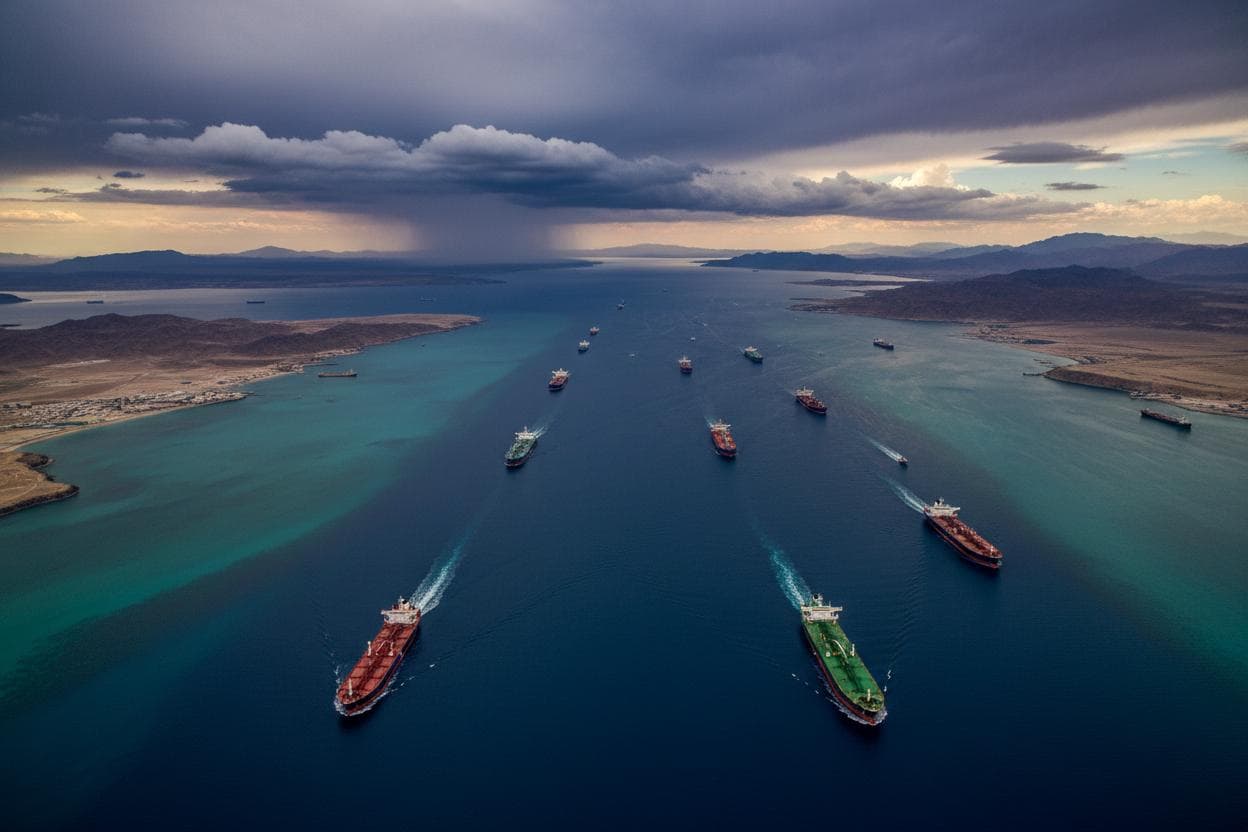
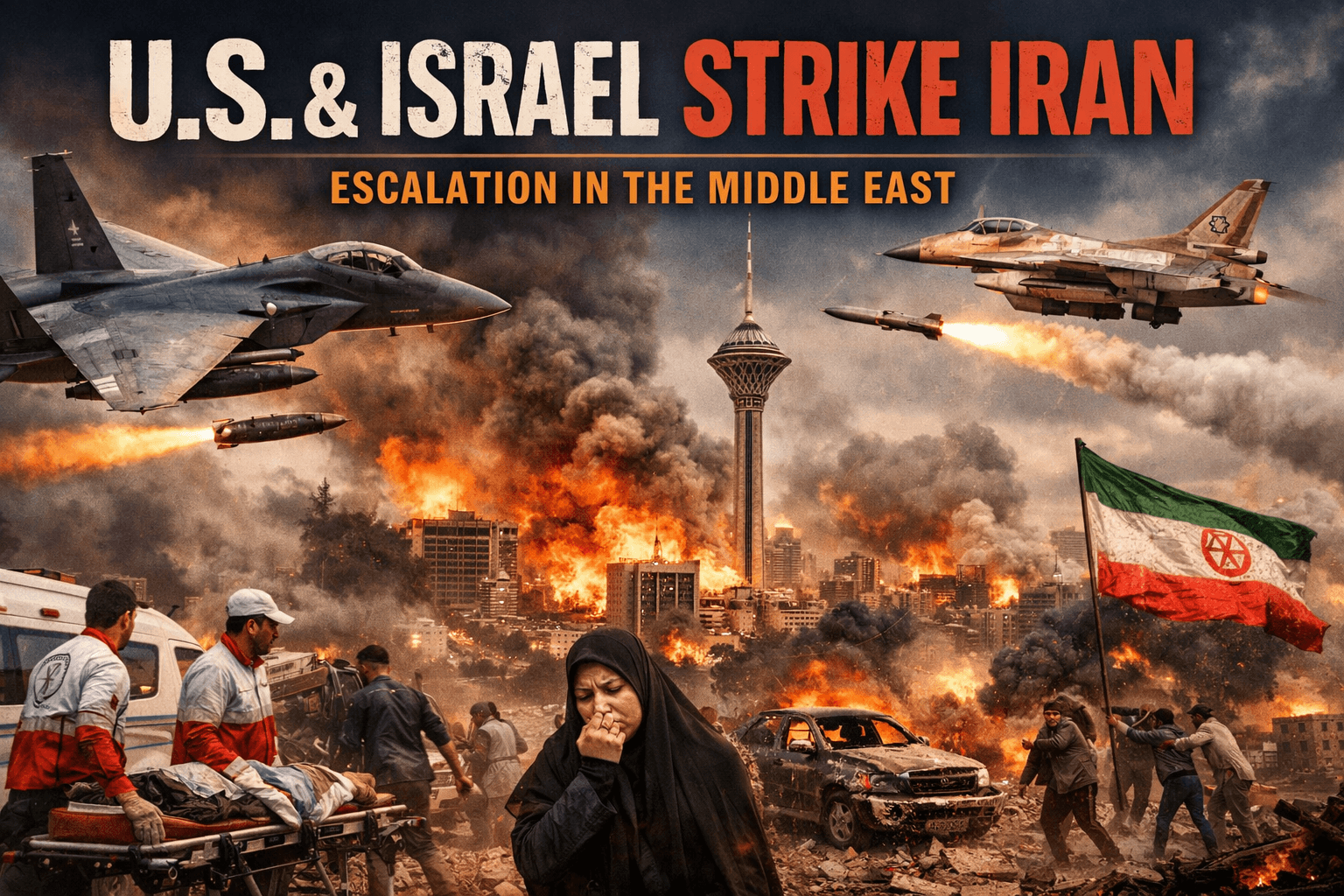
One month after the United States and Israel launched coordinated military strikes against Iran on 28 February 2026, the world finds itself grappling with a crisis that has rapidly evolved from a regional military confrontation into a systemic global shock. The closure of the Strait of Hormuz by Iran, the subsequent surge in oil prices past $120 per barrel, and the cascading disruptions to energy markets, supply chains, and financial systems have forced governments and institutions worldwide to reassess their assumptions about economic resilience, energy security, and geopolitical stability.

When Americans look at the price tag of the ongoing U.S.-Iran conflict, they are usually given a straightforward number: $25 billion. But according to internal U.S. assessments, the true cost of the Iran war is roughly double that figure—hovering closer to $50 billion. As Defense Secretary Pete Hegseth and Gen. Dan Caine defend the Pentagon’s massive $1.5 trillion budget request on Capitol Hill, lawmakers and taxpayers are demanding answers about the financial bleed of Operation Epic Fury.

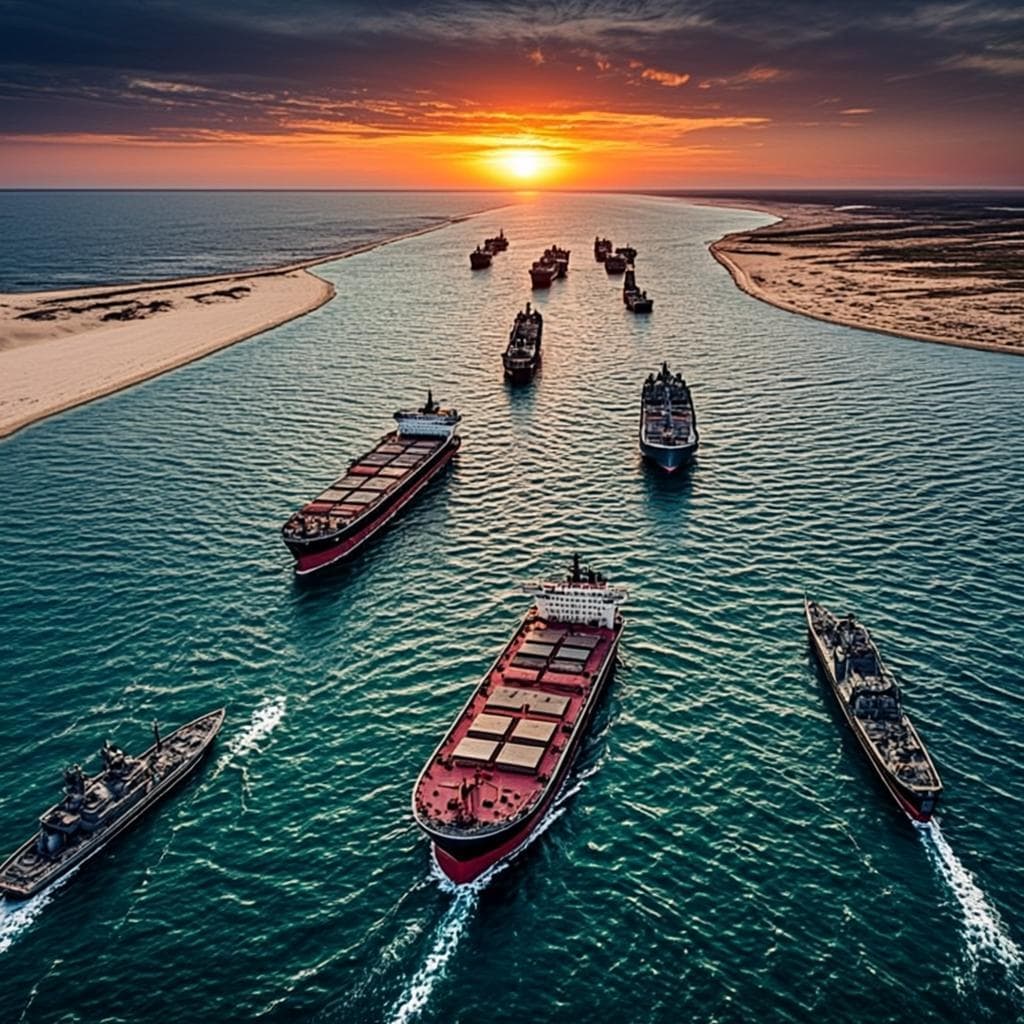
President Trump has paused "Project Freedom" amid a tentative US-Iran ceasefire. However, the Strait of Hormuz remains a dangerous flashpoint with thousands of mariners trapped. The landscape of the US-Iran conflict shifted dramatically on Tuesday, May 5, as President Trump announced a pause in military escort operations through the Strait of Hormuz. This move comes as a tentative US-Iran ceasefire appears to be holding "for now," thanks in part to behind-the-scenes mediation by Pakistan. Despite the diplomatic progress, the situation in the Persian Gulf remains highly volatile. Here is the latest on the shifting conflict, the end of offensive strikes, and the ongoing humanitarian and economic crisis at sea.

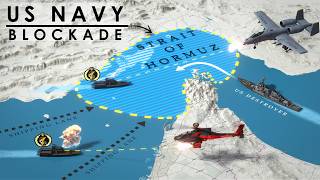
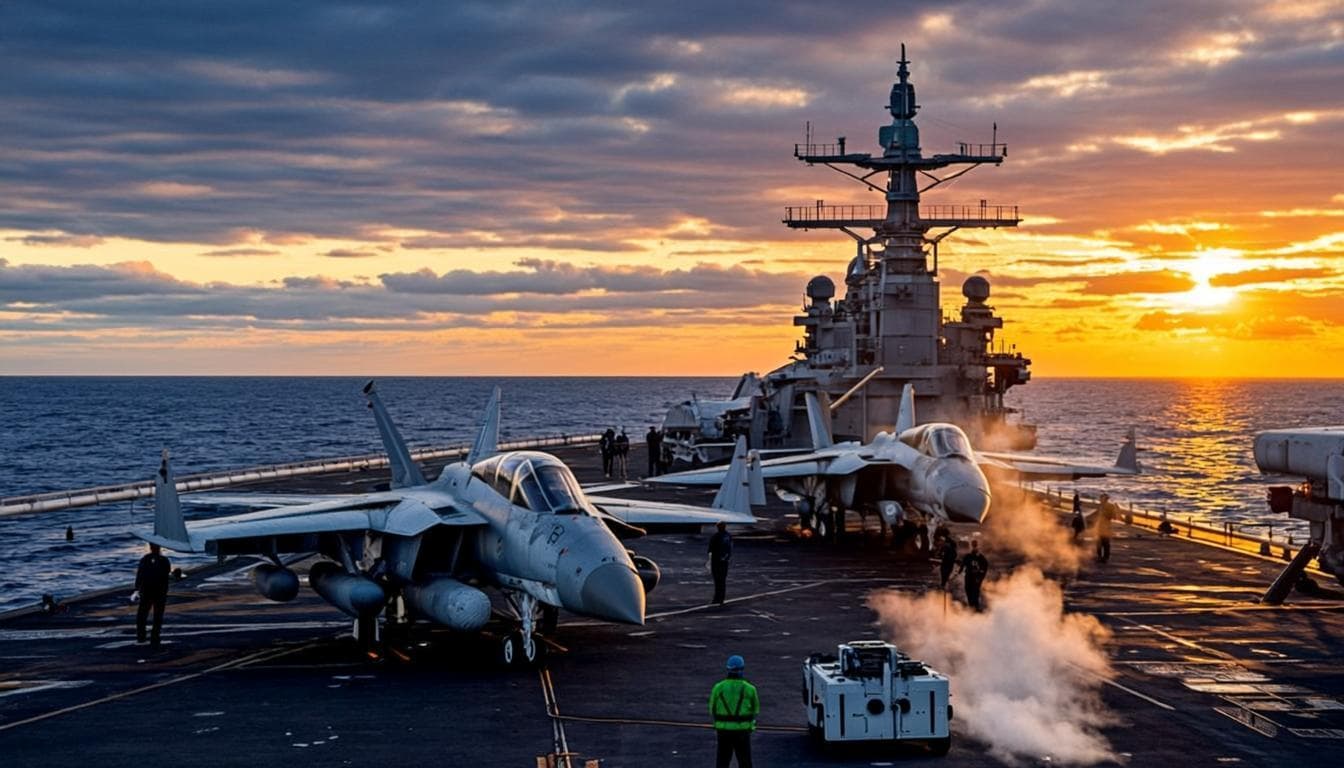
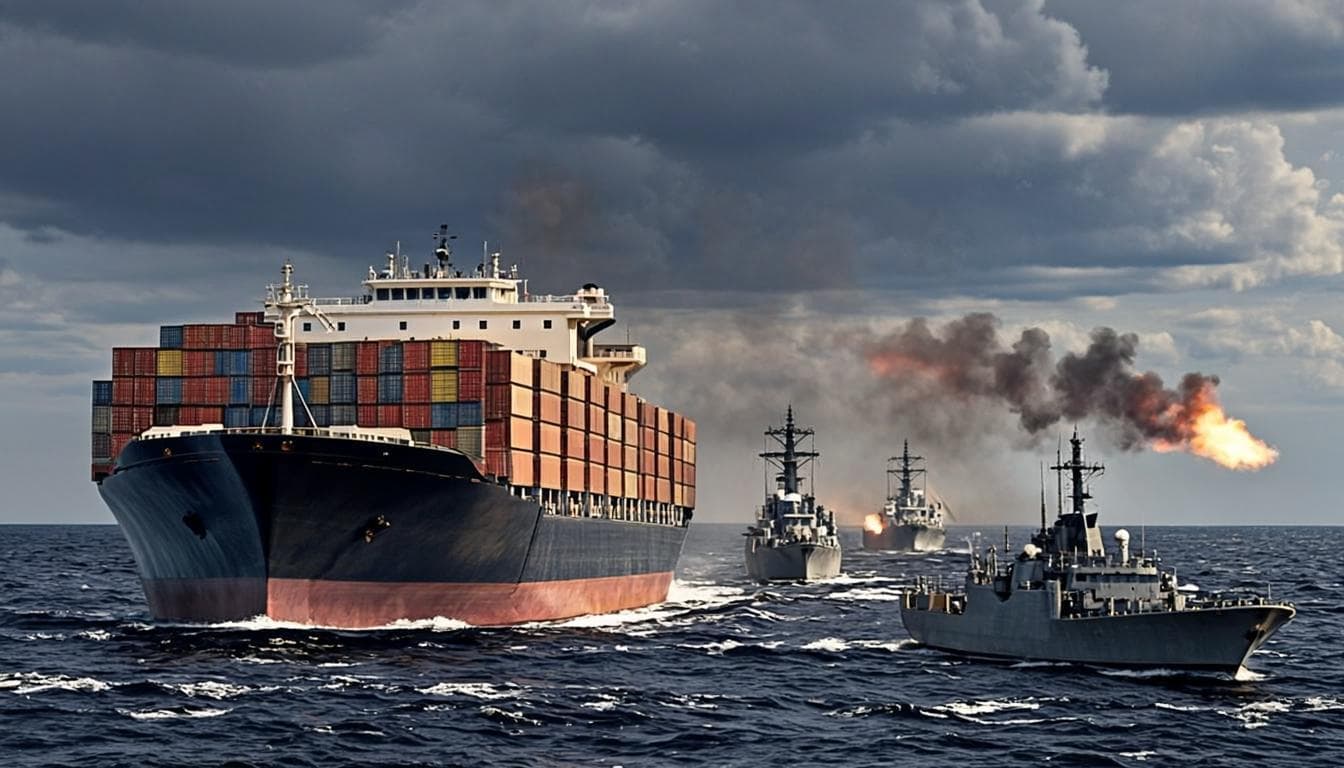
The US military has launched "Project Freedom" to secure commercial shipping through the blockaded Strait of Hormuz amid the ongoing US-Israeli war on Iran. The Strait of Hormuz, one of the world’s most critical maritime chokepoints, has become the focal point of escalating tensions in the Middle East. In response to severe disruptions to global shipping, the US Navy has launched a new military operation dubbed "Project Freedom." Here is everything you need to know about this critical operation, its economic impact, and the escalating conflict in the region.
The U.S.-Iran war has driven Brent crude past $126 a barrel, sparking global recession fears. Meanwhile, Defense Secretary Pete Hegseth faces a Senate showdown over the War Powers 60-day deadline as the true cost of the conflict nears $50 billion.

The Strait of Hormuz blockade is causing the worst supply chain crisis since COVID. Learn how the US-Iran conflict is fracturing global alliances and trapping 20,000 seafarers.

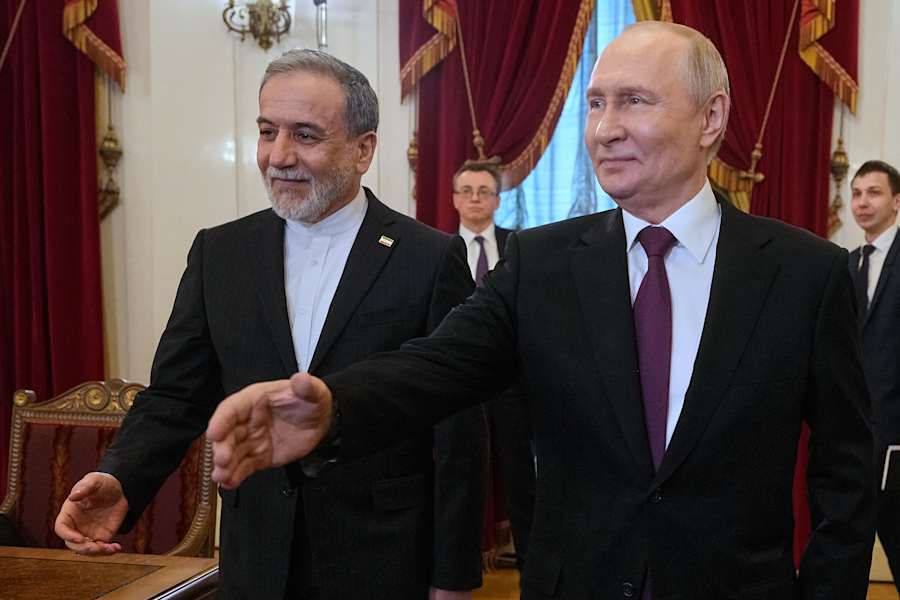
Get the latest Iran war live updates. Witkoff and Kushner travel to Pakistan for mediated US-Iran talks as the Hormuz blockade and gas prices surge

When conflict erupts in the Middle East, the world feels it. The recent war involving Iran hasn't just been a localized regional dispute; it has sent shockwaves through global supply chains, energy markets, and international diplomacy. From an economic and geopolitical standpoint, the region is at a critical inflection point. The conflict has roiled Middle Eastern economies, shattered trust between Iran and Arab Gulf states, and put decades-old security arrangements under a microscope. But as the immediate chaos subsides, a vital question remains for global observers: How much has the Iran war really changed the future of the Middle East, and what will remain exactly the same?

Iran renewed attacks on commercial ships in the Strait of Hormuz Wednesday as the US sends thousands more troops to the region. Read the latest on the Iran war blockade and peace talks. Welcome to the new normal of the Iran war: an "indefinite ceasefire" that features active naval skirmishes, a tightening economic blockade, and thousands of additional U.S. troops deploying to the Middle East. On Wednesday, the fragile U.S.-Iran ceasefire was pushed into a bizarre gray area. President Trump announced he was extending the ceasefire indefinitely with "no firm deadline," yet Iranian forces immediately attacked commercial vessels in the Strait of Hormuz, and the U.S. maintained its stranglehold on Iranian ports.

U.S. Navy forces intercepted the Iranian-linked oil tanker M/T Tifani in the Indian Ocean, while Trump extends the US-Iran ceasefire amid stalled peace talks in Pakistan
The U.S.-Iran war has driven Brent crude past $126 a barrel, sparking global recession fears. Meanwhile, Defense Secretary Pete Hegseth faces a Senate showdown over the War Powers 60-day deadline as the true cost of the conflict nears $50 billion.

Saudi Arabia oil prices 2026: Comprehensive analysis of the Kingdom's oil production, OPEC+ decisions, Aramco operations, and impact on global energy markets amid Middle East tensions.

USA oil prices 2026: Analysis of American shale production, WTI crude pricing, strategic petroleum reserves, and the path to energy independence amid global energy market volatility.

Russia oil prices 2026: Analysis of Western sanctions impact, Urals crude discount, Russian oil exports to Asia, and how sanctions affect global energy markets.

China oil prices 2026: Analysis of Chinese oil imports, strategic petroleum reserves, refining capacity, and energy security strategy amid global market volatility.

India oil prices 2026: Analysis of Indian oil imports, refining industry, fuel subsidies, and energy security as the world's fastest-growing major economy faces energy challenges.

UAE oil prices 2026: Analysis of Emirates' oil production, ADNOC operations, OPEC+ commitments, and economic diversification beyond hydrocarbons.

Kuwait oil prices 2026: Analysis of Kuwait's oil production, KPC operations, OPEC role, and how the Gulf state manages its petroleum wealth for future generations.

Iraq oil prices 2026: Analysis of Iraqi oil production recovery, infrastructure challenges, OPEC compliance, and energy sector development amid regional tensions.

Venezuela oil prices 2026: Analysis of the country with world's largest oil reserves, production collapse, sanctions impact, and potential for recovery amid political crisis.

Nigeria oil prices 2026: Analysis of Africa's largest oil producer, NNPC operations, Niger Delta challenges, oil theft, and energy sector development amid security concerns.

Canada oil prices 2026: Analysis of Canadian oil sands, WCS pricing, pipeline developments, and environmental challenges facing the world's fourth-largest oil producer.

Brazil oil prices 2026: Analysis of Brazil's pre-salt offshore production, Petrobras operations, South American energy independence, and global market role.

Norway oil prices 2026: Analysis of Norwegian North Sea production, Johan Sverdrup field, European energy security, and climate leadership alongside petroleum exports.

UK oil prices 2026: Analysis of North Sea production decline, Brent benchmark, British energy security, and the transition away from domestic oil production.

Qatar oil prices 2026: Analysis of Qatar's oil and LNG production, North Field expansion, energy diversification, and role in global energy markets.

Iran oil prices 2026: Analysis of Iranian oil industry under sanctions, Strait of Hormuz threats, production capacity, and impact on global oil markets amid US conflict.

Mexico oil prices 2026: Analysis of Pemex operations, Mexican oil production decline, energy reforms, and challenges facing Latin America's second-largest economy.

Angola oil prices 2026: Analysis of Angola's oil production, OPEC membership departure, African energy development, and challenges facing sub-Saharan Africa's largest oil producer.

Algeria oil prices 2026: Analysis of Algeria's oil and natural gas production, Sonatrach operations, European energy security, and OPEC role.

Libya oil prices 2026: Analysis of Libya's oil industry amid political instability, production disruptions, African oil reserves, and challenges to energy development.

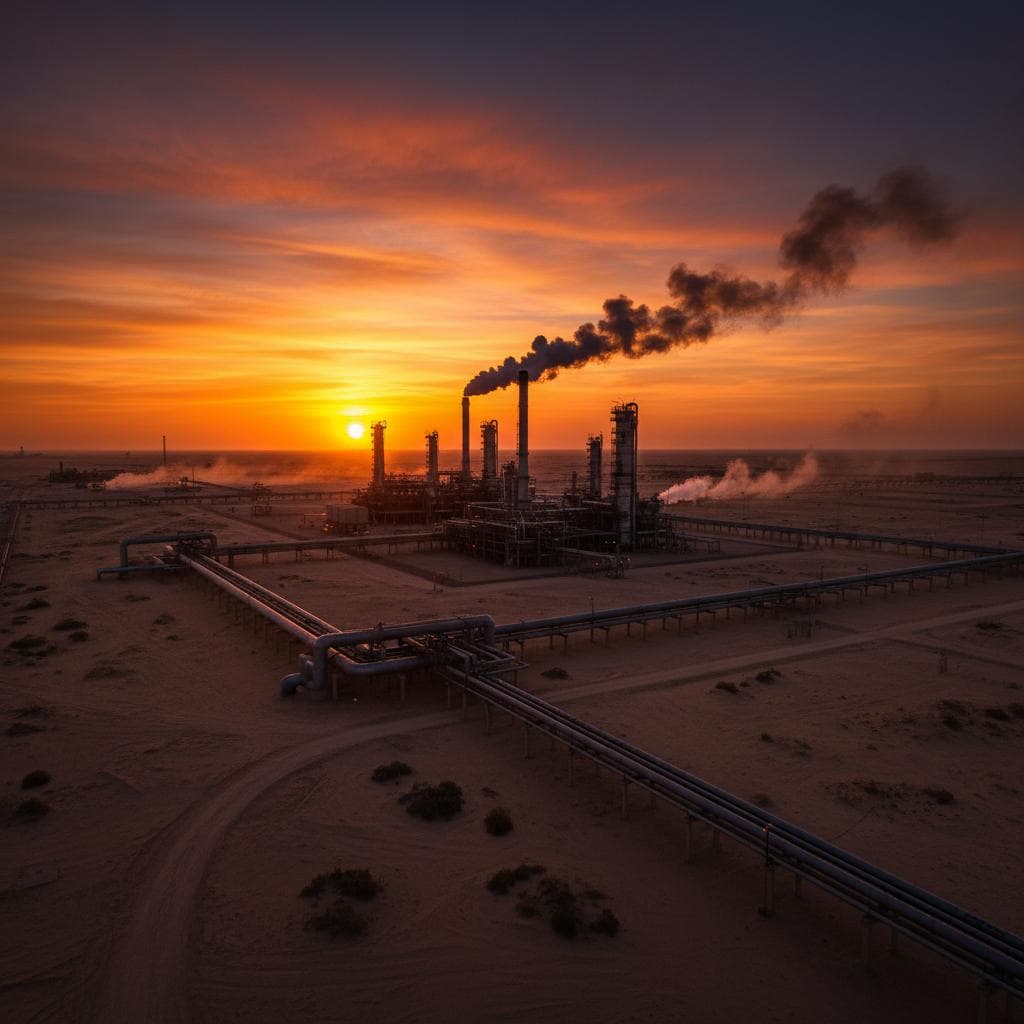
Kharg Island attack 2026: How US military strike on Iran's key oil export terminal triggered global oil price surge. Analysis of energy market impact, Strait of Hormuz risks, and worldwide economic consequences.

President Trump has paused "Project Freedom" amid a tentative US-Iran ceasefire. However, the Strait of Hormuz remains a dangerous flashpoint with thousands of mariners trapped. The landscape of the US-Iran conflict shifted dramatically on Tuesday, May 5, as President Trump announced a pause in military escort operations through the Strait of Hormuz. This move comes as a tentative US-Iran ceasefire appears to be holding "for now," thanks in part to behind-the-scenes mediation by Pakistan. Despite the diplomatic progress, the situation in the Persian Gulf remains highly volatile. Here is the latest on the shifting conflict, the end of offensive strikes, and the ongoing humanitarian and economic crisis at sea.

The US military has launched "Project Freedom" to secure commercial shipping through the blockaded Strait of Hormuz amid the ongoing US-Israeli war on Iran. The Strait of Hormuz, one of the world’s most critical maritime chokepoints, has become the focal point of escalating tensions in the Middle East. In response to severe disruptions to global shipping, the US Navy has launched a new military operation dubbed "Project Freedom." Here is everything you need to know about this critical operation, its economic impact, and the escalating conflict in the region.

The Strait of Hormuz blockade is causing the worst supply chain crisis since COVID. Learn how the US-Iran conflict is fracturing global alliances and trapping 20,000 seafarers.

Understanding the US-Iran-Israel conflict in 2025. Explore the history, latest developments, key players, and global impact of this escalating Middle East crisis US Iran Israel conflict, Middle East war news, Iran Israel tension 2025, US Iran relations, Middle East crisis update
President Donald Trump said the U.S. naval blockade on key Iranian ports “remains in full force.” Oil prices dropped almost 10%, and markets soared on the news.

April 2026 analysis: how coalition air defenses and emergency protocols are shaping civilian outcomes as strikes and retaliation continue across the region—and what humanitarian agencies are reporting from border zones.

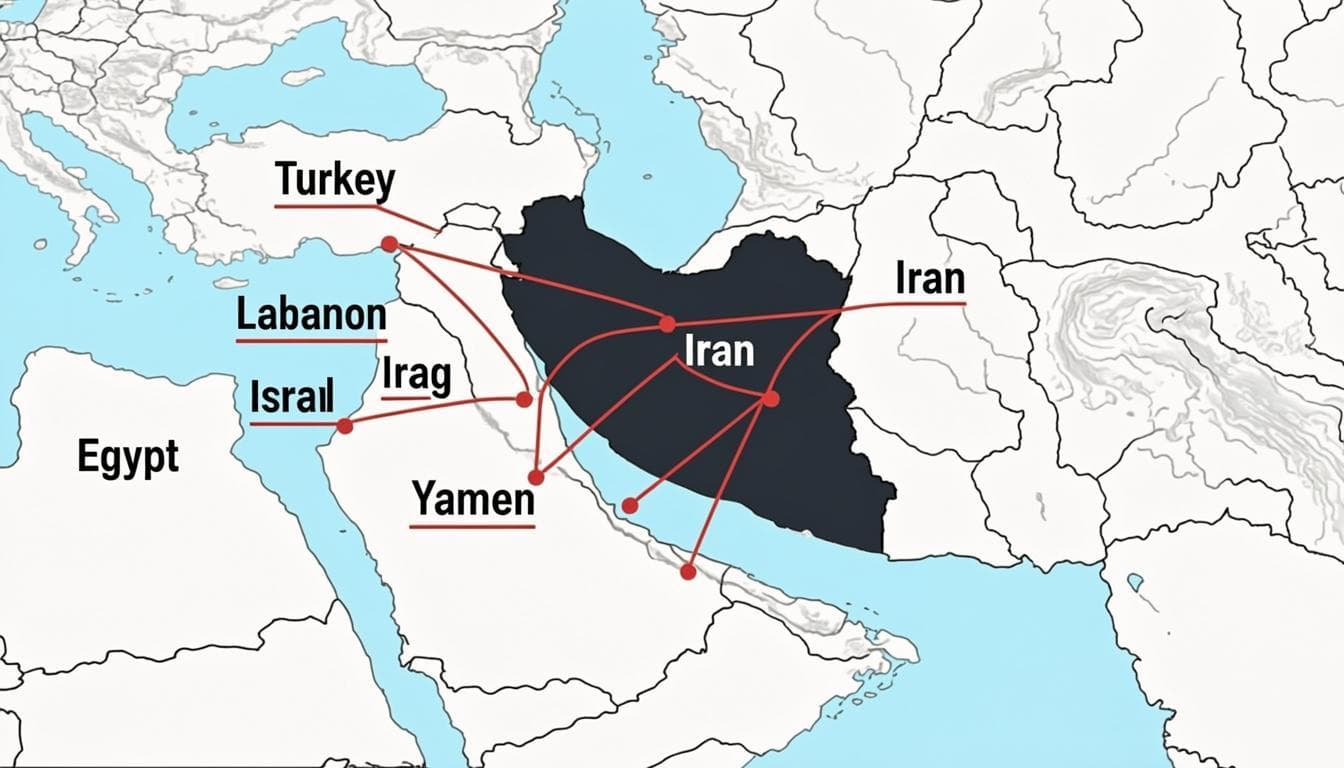
US-Iran-Israel war 2026: Complete guide to Iran's Axis of Resistance, Hezbollah Hamas Houthis proxy network, Operation Epic Fury timeline, and global impact. Expert analysis with facts and sources.

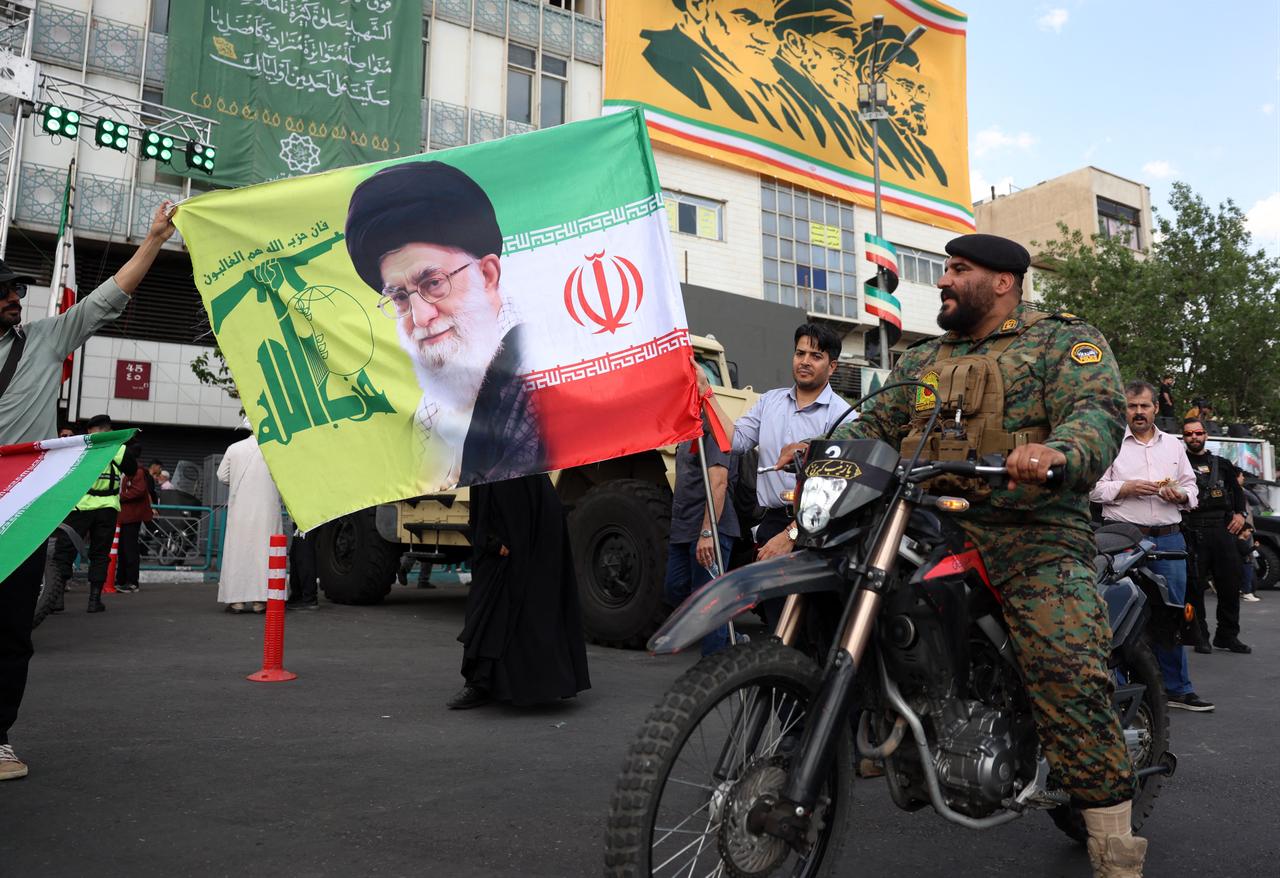
Iran proxy network 2026: Complete analysis of Iran's Axis of Resistance including Hezbollah's 150,000 missiles, Hamas funding, Houthi capabilities, Iraqi militias, Syrian presence, and how proxy warfare threatens Israel and US interests.

Iran nuclear program 2026: Complete analysis of Iran's nuclear weapons capability, uranium enrichment levels, JCPOA collapse, Israeli and US military strikes on Natanz and Fordow, and international non-proliferation response.

Iran-US-Israel war 2026: Complete analysis of February 28 escalation, Iran's Supreme Leader succession, regional proxy warfare, direct military confrontation, humanitarian crisis, and global economic consequences.

Israel-Iran war 2026: Comprehensive analysis of how decades of proxy warfare evolved into direct military confrontation. Explore Iran's missile attacks on Israel, Israel's airstrikes on Iran, Hezbollah involvement, and regional implications.

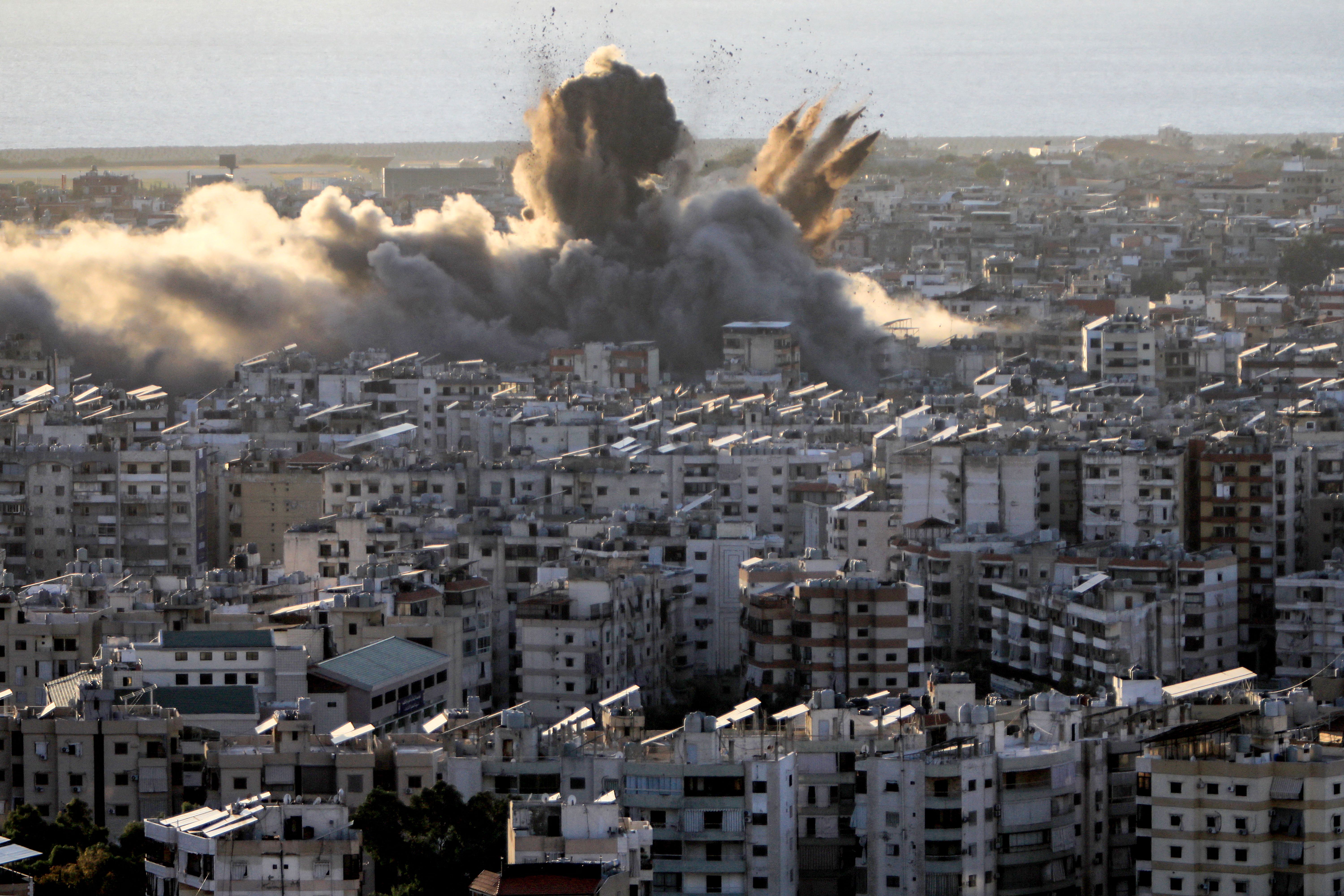
Hezbollah-Israel war 2026: In-depth analysis of the Lebanon front conflict. Learn about Hezbollah's 150,000 missile arsenal, Iran's support, impact on northern Israel, Lebanese casualties, and risk of regional escalation.
Gaza War 2026: Complete coverage of Israel-Hamas conflict including October 7 attack analysis, humanitarian crisis in Gaza, hostage situation, Iran-Hamas relationship, and regional implications for Middle East stability.

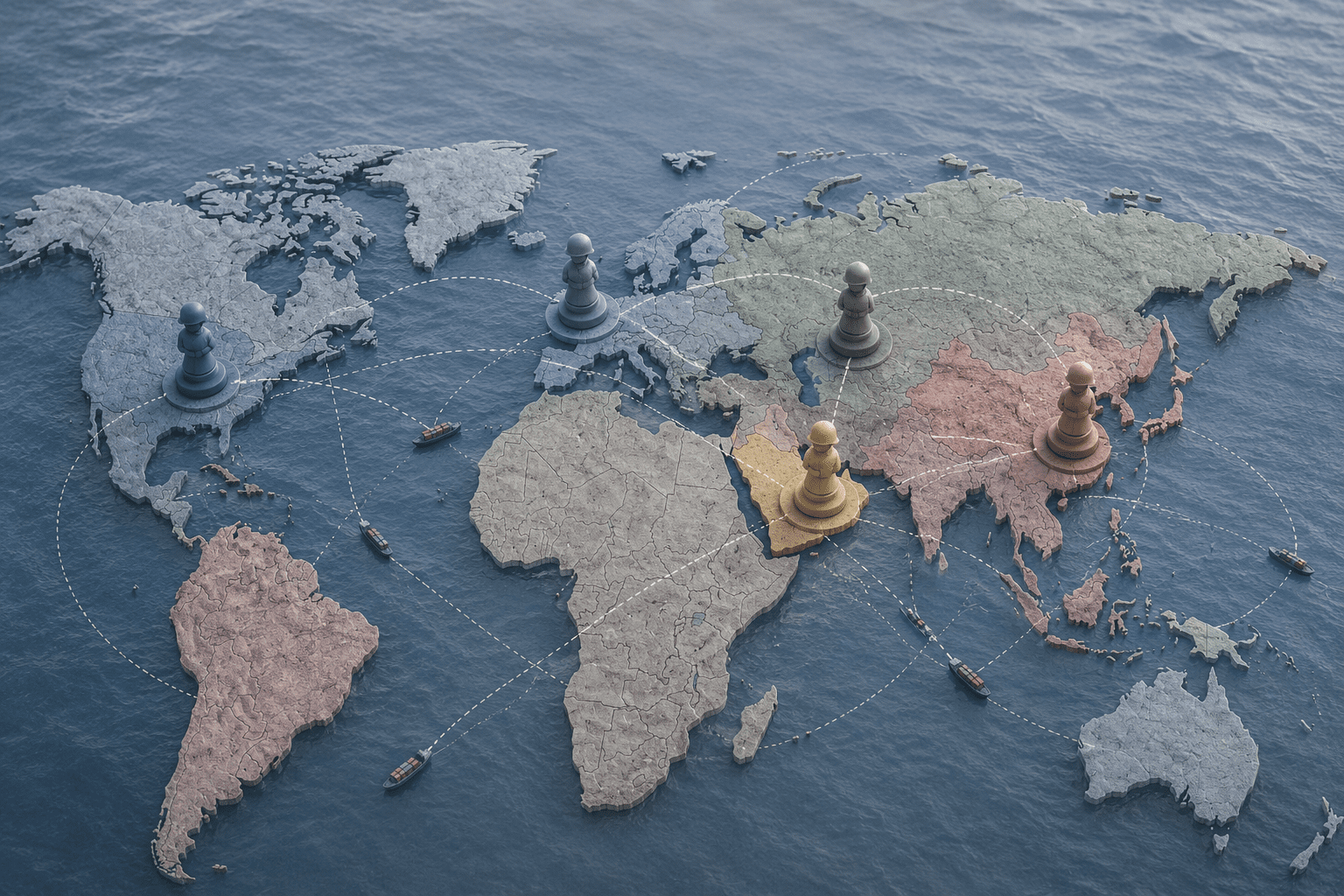
Strait of Hormuz crisis 2026: Analysis of potential Iranian blockade, impact on 20% of global oil supply, energy security risks, worldwide economic consequences, and international military response options.

US-Iran conflict 2026: Comprehensive analysis covering Iran nuclear program, US sanctions impact, Strait of Hormuz crisis, military escalation, and how US-Iran tensions reshape Middle East stability and global oil markets.
By Global Affairs Review | May 12, 2026 | Geopolitics & Diplomacy

South Africa’s parliament is set to establish an impeachment committee to investigate allegations against President Cyril Ramaphosa in the long-running “Farmgate” scandal, a development that threatens to reshape the country’s political landscape and test the strength of its democratic institutions. The announcement by the lower house of parliament on Monday represents the most significant escalation in a saga that has gripped the nation for years, raising fundamental questions about presidential accountability, the rule of law, and the integrity of South Africa’s post-apartheid governance framework. The move was ordered by the country’s highest court, which last week revived impeachment proceedings that had previously stalled in parliamentary committees.

One month after the United States and Israel launched coordinated military strikes against Iran on 28 February 2026, the world finds itself grappling with a crisis that has rapidly evolved from a regional military confrontation into a systemic global shock. The closure of the Strait of Hormuz by Iran, the subsequent surge in oil prices past $120 per barrel, and the cascading disruptions to energy markets, supply chains, and financial systems have forced governments and institutions worldwide to reassess their assumptions about economic resilience, energy security, and geopolitical stability.

When Americans look at the price tag of the ongoing U.S.-Iran conflict, they are usually given a straightforward number: $25 billion. But according to internal U.S. assessments, the true cost of the Iran war is roughly double that figure—hovering closer to $50 billion. As Defense Secretary Pete Hegseth and Gen. Dan Caine defend the Pentagon’s massive $1.5 trillion budget request on Capitol Hill, lawmakers and taxpayers are demanding answers about the financial bleed of Operation Epic Fury.
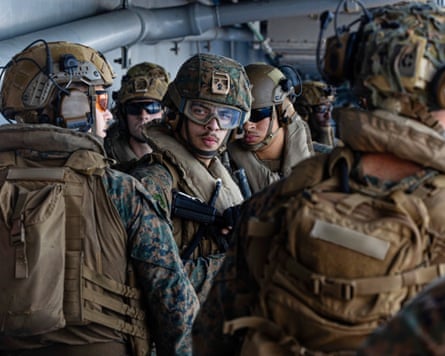
Get the latest Iran war live updates. Witkoff and Kushner travel to Pakistan for mediated US-Iran talks as the Hormuz blockade and gas prices surge

When conflict erupts in the Middle East, the world feels it. The recent war involving Iran hasn't just been a localized regional dispute; it has sent shockwaves through global supply chains, energy markets, and international diplomacy. From an economic and geopolitical standpoint, the region is at a critical inflection point. The conflict has roiled Middle Eastern economies, shattered trust between Iran and Arab Gulf states, and put decades-old security arrangements under a microscope. But as the immediate chaos subsides, a vital question remains for global observers: How much has the Iran war really changed the future of the Middle East, and what will remain exactly the same?

Iran renewed attacks on commercial ships in the Strait of Hormuz Wednesday as the US sends thousands more troops to the region. Read the latest on the Iran war blockade and peace talks. Welcome to the new normal of the Iran war: an "indefinite ceasefire" that features active naval skirmishes, a tightening economic blockade, and thousands of additional U.S. troops deploying to the Middle East. On Wednesday, the fragile U.S.-Iran ceasefire was pushed into a bizarre gray area. President Trump announced he was extending the ceasefire indefinitely with "no firm deadline," yet Iranian forces immediately attacked commercial vessels in the Strait of Hormuz, and the U.S. maintained its stranglehold on Iranian ports.

U.S. Navy forces intercepted the Iranian-linked oil tanker M/T Tifani in the Indian Ocean, while Trump extends the US-Iran ceasefire amid stalled peace talks in Pakistan

Ukrainian President Zelensky calls US envoys Steve Witkoff and Jared Kushner's repeated visits to Moscow while skipping Kyiv "disrespectful." What this means for Ukraine peace talks
The fragile diplomatic channel between the United States and Iran has suffered a massive blow. Following the US seizure of an Iranian cargo ship, Tehran has officially stated it has "no plans" for new talks with Washington. This maritime confrontation is not just a minor skirmish; it represents a dangerous escalation in US-Iran relations at a time when the Middle East is already teetering on the edge of broader conflict.

Iran war live: Ceasefire starts in Lebanon as Trump says Tehran deal close

How Saudi Arabia, the UAE, Qatar, Kuwait, and others balance security ties with Washington, economic links to Asia, and the imperative to keep oil flowing amid Hormuz-related risk.

From wiper malware and DDoS campaigns to worries about industrial control systems: how the cyber dimension runs parallel to kinetic strikes, and why defenders treat hospitals, ports, and finance as contested terrain.

Why the Security Council has struggled to agree on binding measures in April 2026, how European capitals are balancing energy security with diplomatic pressure, and what Russia and China are signaling from New York.

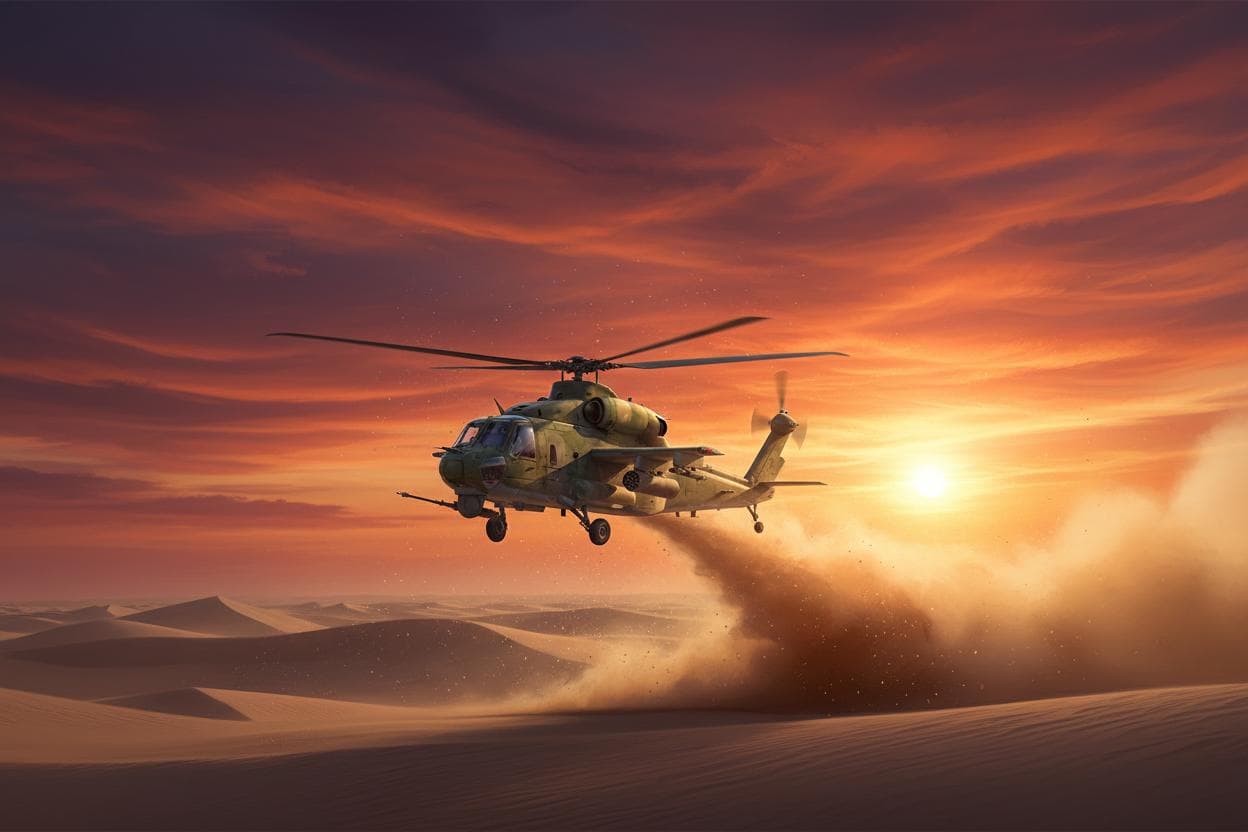
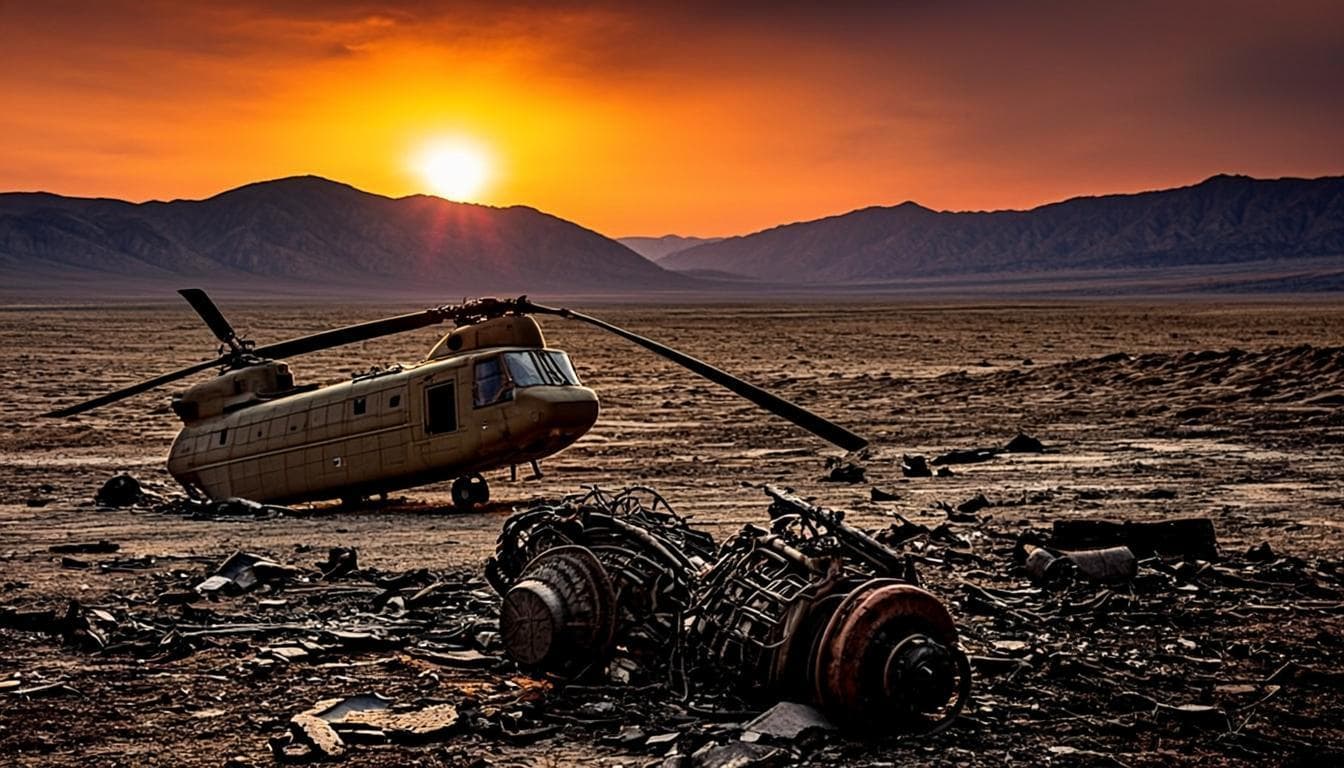
Breaking: US Army 160th SOAR Night Stalker AH-6 Little Bird helicopters destroyed at forward landing site in Iran during F-15E WSO rescue mission. Analysis of special operations aviation losses and implications for US-Iran conflict.

Red Sea crisis 2026: How Houthi rebel attacks on commercial ships disrupted 12% of global trade. Analysis of Iran-backed Houthi capabilities, Bab al-Mandab strait vulnerability, international military response, and worldwide economic consequences.

US sanctions on Iran 2026: How economic pressure works, impact on Iranian economy and civilians, humanitarian crisis, sanctions evasion methods, effectiveness debate, and implications for global trade and dollar dominance.