The U.S.-Iran conflict is sending shockwaves through the global economy and Capitol Hill. As a fragile ceasefire stalls, oil prices have spiked to a four-year high, and Defense Secretary Pete Hegseth is facing fierce pushback from lawmakers over the legal and financial toll of the escalating conflict.
Here is what you need to know about the latest developments in the Iran war, from surging energy costs to a high-stakes congressional showdown.
Oil Prices Hit 4-Year High Amid Strait of Hormuz Gridlock
The economic fallout from the U.S.-Iran war is hitting American wallets hard. On Thursday, global benchmark Brent crude oil briefly topped $126 a barrel—a massive leap from the $70 per barrel price tag seen before the war began in late February. U.S. benchmark crude also climbed to $108.28 per barrel.
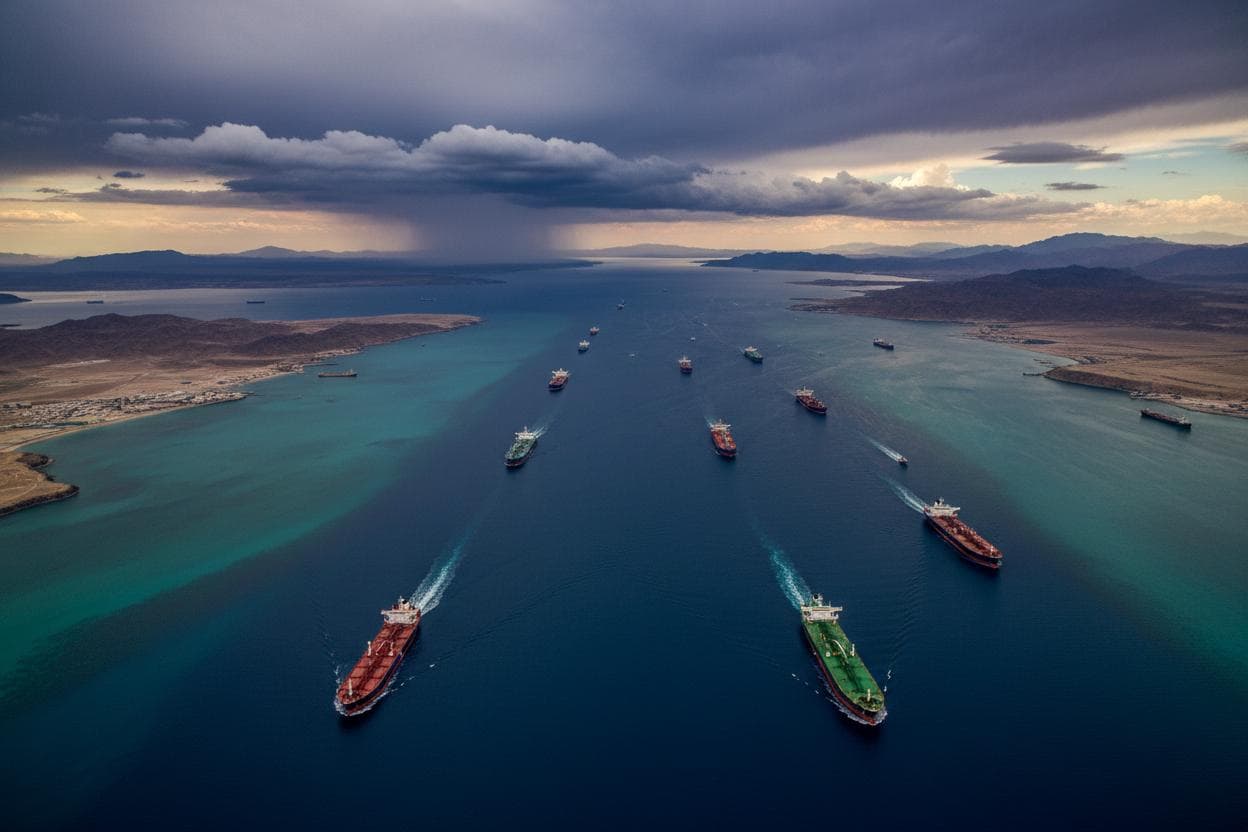
The primary driver of this surge is the ongoing standoff in the Strait of Hormuz, a vital chokepoint for global energy supplies. Despite a purported ceasefire, the U.S. has maintained a naval blockade of Iranian ports, while Iran has instituted severe restrictions on commercial ships traversing the strait.
The crisis has drawn dire warnings from global leaders. U.N. Secretary-General Antonio Guterres warned of the "specter of a global recession" if the strait is not reopened immediately, noting that if the constraint drags on, 32 million people could fall into poverty and 45 million into extreme hunger.
In response to the maritime gridlock, the U.S. State Department has launched a "Maritime Freedom Construct" (MFC) to diplomatically align with partners and the commercial shipping industry to create safe corridors.
The True Cost of the Iran War: $50 Billion, Not $25 Billion
While the economic impact is global, the direct financial toll on the U.S. military is also staggering—and reportedly much higher than initially admitted.
During recent Capitol Hill testimony, a Pentagon official estimated the cost of Operation Epic Fury at around $25 billion. However, U.S. officials familiar with internal assessments revealed to CBS News that the true cost of the war is closer to $50 billion—roughly double the public estimate.
The discrepancy comes down to what is being counted. The $25 billion figure largely accounts for munitions expended. It fails to account for the "unseen costs of attrition," including damaged or destroyed equipment and military installations. For context, the Pentagon has lost 24 MQ-9 Reaper drones in the conflict. At $30 million or more apiece, the lost drones alone account for nearly three-quarters of a billion dollars.
Hegseth Faces Off With Senate Over 60-Day War Powers Deadline
As the financial ledger grows, so does the constitutional friction in Washington. Defense Secretary Pete Hegseth faced a second day of grilling on Thursday before the Senate Armed Services Committee, where he made a controversial claim regarding the .