Israel-Iran War 2026: From Proxy Conflict to Direct War
The Israel-Iran war of 2026 marks a historic turning point in Middle East geopolitics. For over four decades, Israel and Iran fought through intermediaries in what analysts called a 'shadow war' involving proxy groups, cyber attacks, and targeted assassinations. The 2026 escalation transformed this covert conflict into open military confrontation, with direct missile strikes, air attacks, and the threat of all-out regional war. This comprehensive guide examines the Israel-Iran conflict timeline, causes, and implications for global security.
Historical Background: How Israel and Iran Became Enemies
The Israel-Iran relationship has undergone a dramatic transformation since 1979. Before the Islamic Revolution, Iran was one of the first Muslim-majority nations to recognize Israel, with close cooperation on energy, security, and regional affairs. The 1979 revolution fundamentally changed this dynamic, as Iran's new leadership refused to recognize Israel's right to exist. Over the following decades, Iran built an extensive proxy network including Hezbollah in Lebanon, Hamas and Islamic Jihad in Gaza, and various militias in Syria and Iraq. This 'ring of fire' strategy allowed Iran to threaten Israel from multiple directions without direct military engagement.
Iran's Proxy Network: Hezbollah, Hamas, and Regional Militias
Iran has invested billions of dollars building proxy forces that encircle Israel. Hezbollah in Lebanon represents Iran's most powerful proxy, with an estimated 150,000 missiles targeting Israeli cities. Hamas in Gaza, responsible for the October 7, 2023 attack, receives Iranian funding, weapons, and training. Palestinian Islamic Jihad operates alongside Hamas with direct Iranian support. Iranian-backed militias in Syria have attempted to establish positions near Israel's northern border. The Houthi rebels in Yemen, though geographically distant, have demonstrated Iran's reach by launching missiles at Israel and disrupting Red Sea shipping.
October 7 Hamas Attack: The Turning Point in Israel-Iran Relations
The Hamas attack on October 7, 2023, killed approximately 1,200 Israelis and took over 200 hostages in the deadliest attack on Jews since the Holocaust. While Iran denied direct involvement, its long-standing support for Hamas made it complicit in Israeli eyes. Israel's response in Gaza triggered a broader regional escalation. Hezbollah began daily rocket attacks from Lebanon, opening a second front. The conflict demonstrated how Iran's proxy strategy could simultaneously threaten Israel from multiple directions, fundamentally changing Israel's security calculations.
April 2024: Iran's First Direct Attack on Israel
In April 2024, after an Israeli strike on an Iranian consulate building in Damascus killed senior Iranian commanders, Iran launched its first direct attack on Israel. Over 300 missiles and drones were fired at Israeli targets. Most were intercepted by Israel's Iron Dome, David's Sling, and Arrow defense systems, with assistance from US and regional allies. This attack marked a fundamental shift: Iran was now willing to strike Israel directly rather than only through proxies. Israel responded with limited strikes on Iranian military facilities, establishing a precedent for direct Israel-Iran military engagement.
Israel-Iran War 2026: Timeline of Escalation
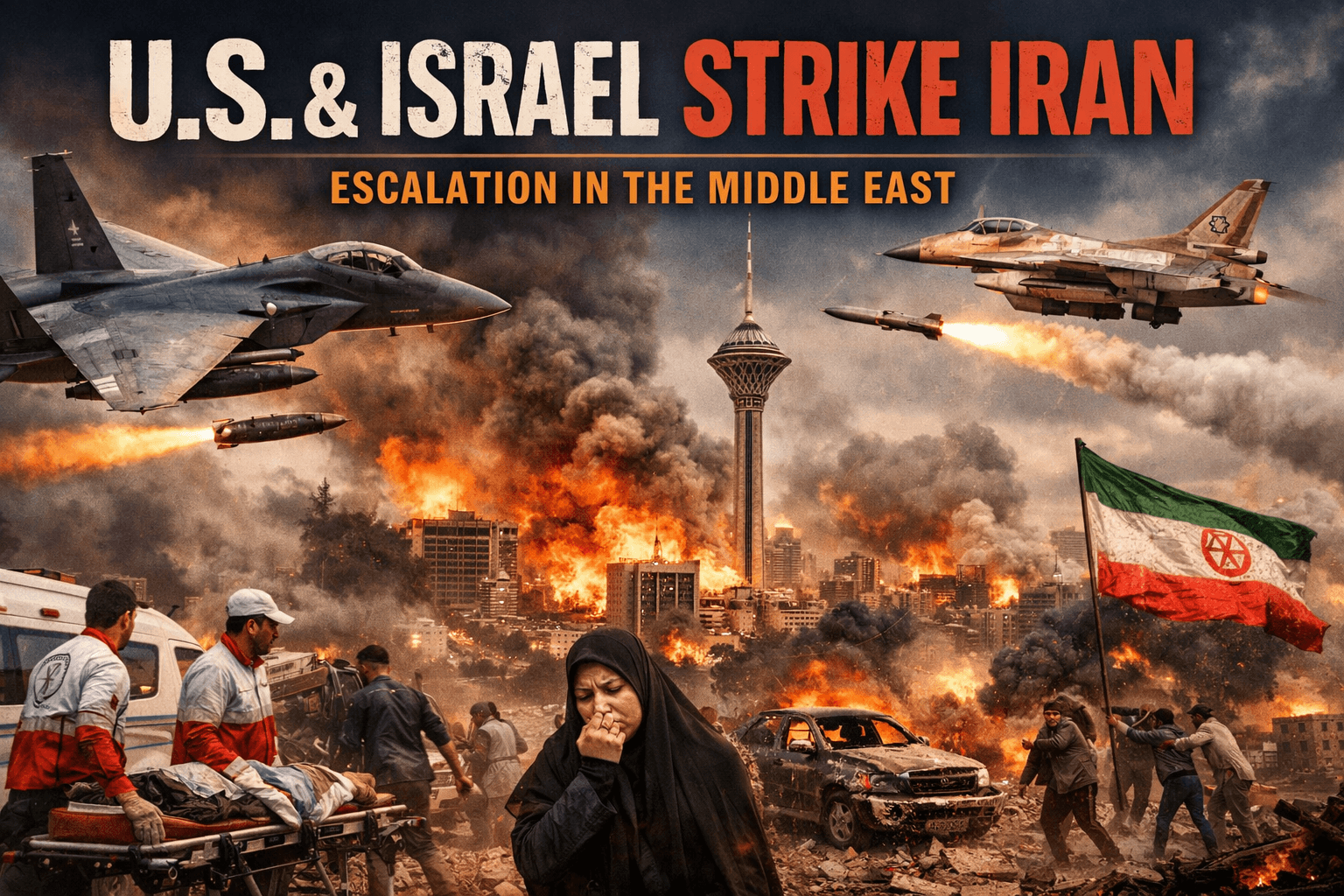
The February 28, 2026 US military operation against Iran, codenamed Operation Epic Fury, triggered the most severe Israel-Iran escalation in history. Iran retaliated with ballistic missile attacks on Israeli cities. While Israel's multi-layered missile defense system intercepted most threats, some missiles penetrated, causing casualties and damage. Israel responded with massive airstrikes on Iranian military and nuclear facilities including Natanz and Fordow. Hezbollah launched thousands of rockets from Lebanon. The Houthis added attacks from Yemen. For the first time, Israel and Iran were engaged in sustained direct combat across multiple fronts.
Israel's Military Capabilities: IDF Strength and Strategy
Israel maintains one of the Middle East's most capable militaries, with advanced aircraft including F-35s, sophisticated missile defense systems, and undeclared nuclear capability. The Israel Defense Forces (IDF) possess extensive combat experience and world-class intelligence capabilities. Israel's missile defense network—Iron Dome, David's Sling, and Arrow—provides layered protection. In the current conflict, Israel has focused on degrading Iran's ability to project power, striking military infrastructure, weapons storage, and command centers. Israel has also targeted Iranian proxy forces, particularly Hezbollah in Lebanon.
Iran's Military Strategy: Missiles, Drones, and Asymmetric Warfare
Iran has developed asymmetric military capabilities designed to counter Israel's technological advantages. Iran possesses the Middle East's largest ballistic missile arsenal, with weapons capable of reaching Israel and beyond. Iran has invested heavily in drone technology, producing sophisticated unmanned aerial vehicles used against Israeli and US targets. The Islamic Revolutionary Guard Corps (IRGC) oversees both conventional forces and the proxy network that forms Iran's forward defense. In direct conflict, Iran relies on overwhelming missile and drone attacks to saturate Israeli air defenses, while proxy forces attack from multiple directions.
Regional Impact: Middle East Security Crisis
The Israel-Iran war has profound implications for Middle East stability. Arab states that normalized relations with Israel under the Abraham Accords face difficult choices. Iran's regional rivals, including Saudi Arabia and Gulf states, navigate between concern about Iranian power and wariness of Israeli actions. The conflict has disrupted global energy markets, with oil prices rising as shipping through the Strait of Hormuz faces threats. The United States has deployed additional military forces to defend Israel and deter Iranian escalation. Russia and China have called for restraint while criticizing US and Israeli actions.
Humanitarian Crisis: Civilian Impact in Israel, Iran, Lebanon, and Gaza
The Israel-Iran conflict has created severe humanitarian crises across the region. In Gaza, the war against Hamas has caused massive destruction and tens of thousands of casualties. In Lebanon, fighting between Israel and Hezbollah has displaced hundreds of thousands. Iranian missile attacks on Israel have caused casualties despite missile defenses. Israeli and US strikes on Iranian military facilities have caused civilian casualties. The psychological impact of living under constant missile threat affects millions across Israel, Lebanon, and Iran.
Future Scenarios: What's Next for Israel-Iran Relations?
The future trajectory of the Israel-Iran conflict remains highly uncertain. Possible scenarios include: continued escalation leading to full-scale regional war drawing in the US and global powers; negotiated de-escalation, though deep hostility and proxy networks complicate diplomacy; prolonged low-intensity conflict with periodic escalations; or Iranian nuclear breakout, which could trigger major Israeli or US military response. The path forward depends on decisions in Tehran, Jerusalem, Washington, and regional capitals. What remains certain is that Israel-Iran relations have entered a new and more dangerous phase.
Conclusion: The New Era of Israel-Iran Direct Confrontation
The transformation of Israel-Iran relations from proxy warfare to direct confrontation represents one of the most significant shifts in Middle Eastern security in decades. The old rules preventing open Israel-Iran fighting have broken down. As both nations trade direct military blows, the risk of miscalculation and escalation grows exponentially. The international community faces the challenge of preventing regional conflagration while addressing underlying issues. For civilians across Israel, Iran, Lebanon, Gaza, and beyond, the costs are measured in lives lost, homes destroyed, and uncertain futures. The Israel-Iran war of 2026 may determine the Middle East's trajectory for generations.