NUCLEAR PROGRAM

Iran Nuclear Program 2026: Weapons Danger, JCPOA Collapse & Military Strikes

Iran nuclear program 2026: Complete analysis of Iran's nuclear weapons capability, uranium enrichment levels, JCPOA collapse, Israeli and US military strikes on Natanz and Fordow, and international non-proliferation response.
Iran Nuclear Program 2026: Weapons Danger, JCPOA Collapse & Military Strikes

Iran Nuclear Program 2026: Current Crisis and Weapons Threat

Iran's nuclear program represents one of the most contentious issues in international relations, raising fears of nuclear proliferation in an already volatile Middle East. For decades, the international community has grappled with preventing Iran from developing nuclear weapons while respecting its right to peaceful nuclear energy. The 2026 escalation has brought these concerns to the forefront, with military strikes targeting Iranian nuclear facilities and renewed fears of a nuclear-armed Iran. This comprehensive analysis examines the history, dangers, and international response to Iran's nuclear ambitions.

Iran Nuclear Program History: From Atoms for Peace to Weapons Concern

Iran's nuclear program began in the 1950s with US support under the Atoms for Peace initiative. The Shah envisioned a modern, nuclear-powered Iran with ambitious energy projects. After the 1979 Islamic Revolution, the program was initially suspended but gradually resumed in the 1980s during the Iran-Iraq War. Iran secretly pursued uranium enrichment capabilities, hiding key facilities from international inspectors. The 2002 revelation of hidden nuclear sites, including the Natanz enrichment facility and Arak heavy water reactor, triggered international crisis and raised suspicions about Iran's true intentions.

Iran Uranium Enrichment: How Close is Iran to Nuclear Weapons?

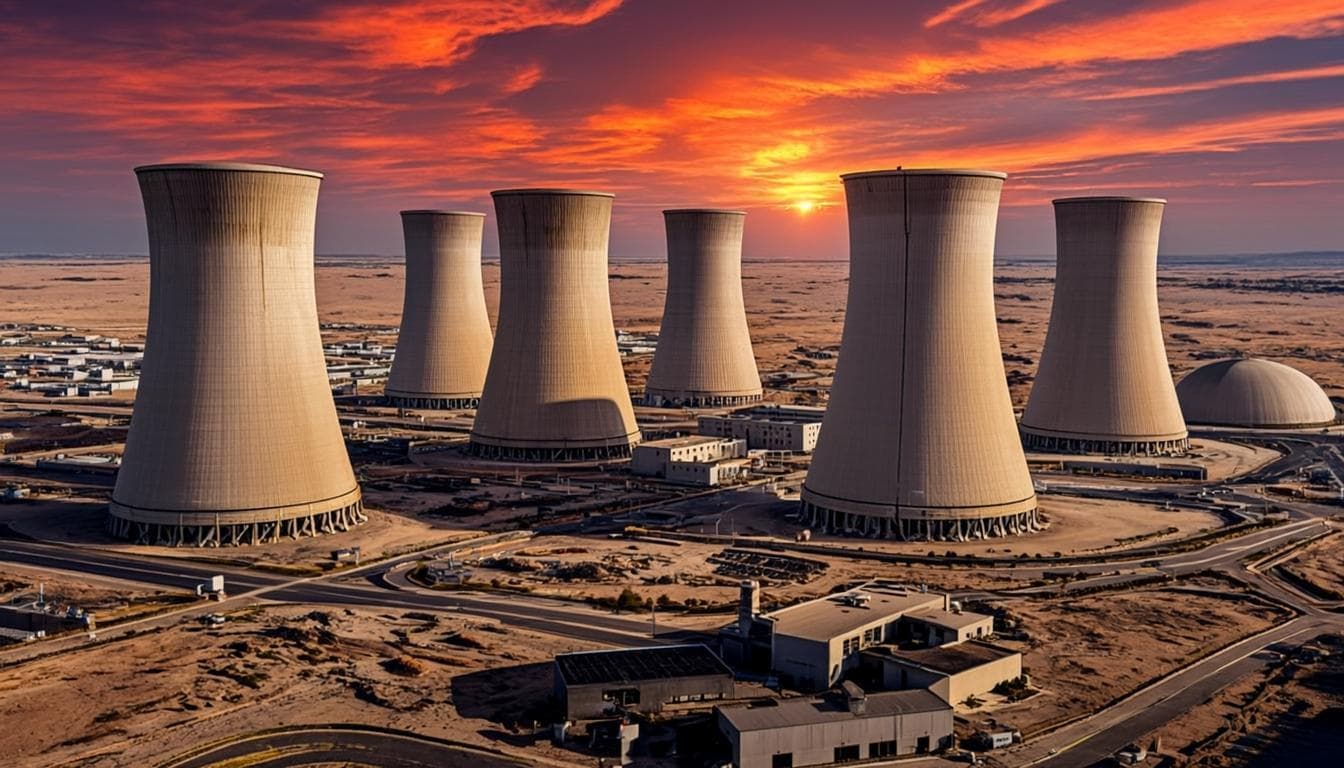
Understanding Iran's nuclear program requires understanding the dual-use nature of nuclear technology. Uranium enrichment for nuclear power plants can also produce weapons-grade material if taken to higher levels. Iran has enriched uranium to 60% purity, approaching the 90% needed for nuclear weapons. The Arak heavy water reactor, if completed, could produce plutonium suitable for weapons. Iran has developed ballistic missiles capable of delivering nuclear warheads. While Iran maintains its program is peaceful, the technical capabilities it has developed give it 'breakout' capability to produce nuclear weapons on short notice.

Nuclear Proliferation Risk: Middle East Arms Race

International concerns about Iran's nuclear program extend beyond Iran itself. A nuclear-armed Iran could trigger a regional arms race, with Saudi Arabia, Turkey, Egypt, and other nations potentially seeking their own nuclear weapons. This would undermine the global non-proliferation regime and increase risk of nuclear weapons falling into non-state actor hands. Iran's support for proxy groups and hostile rhetoric toward Israel and the United States amplify fears about how nuclear weapons might be used or transferred. The possibility of nuclear terrorism, while low, cannot be dismissed.

JCPOA Nuclear Deal: Success, Collapse, and Consequences

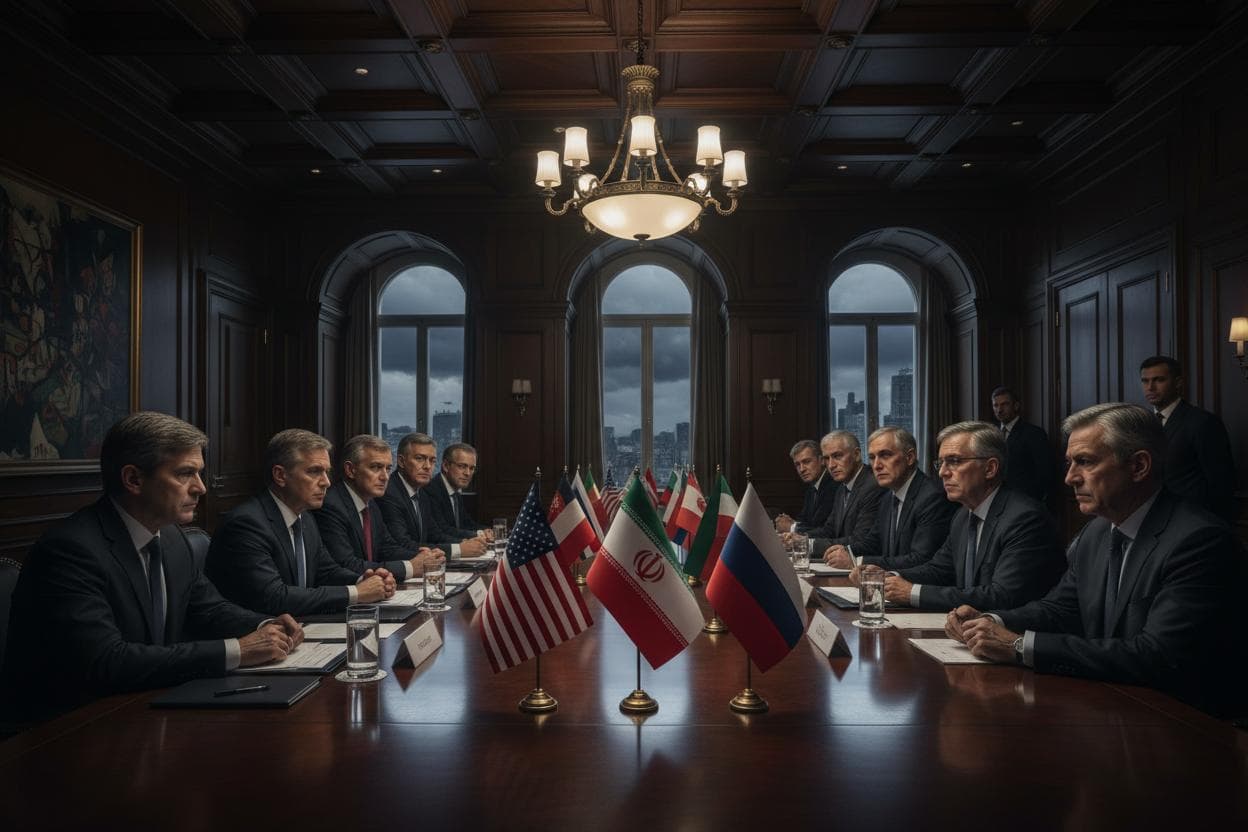
In 2015, after years of negotiations, Iran and six world powers reached the Joint Comprehensive Plan of Action (JCPOA). The agreement placed strict limits on Iran's nuclear program in exchange for sanctions relief. International monitors gained unprecedented access to Iranian nuclear facilities. For several years, the agreement successfully constrained Iran's nuclear activities. However, in 2018, the Trump administration withdrew the United States from the deal, reimposing harsh sanctions. Iran responded by gradually exceeding agreement limits, enriching uranium to higher levels and restricting inspector access. By 2026, the JCPOA had effectively collapsed.

Israeli and US Military Strikes on Iranian Nuclear Facilities

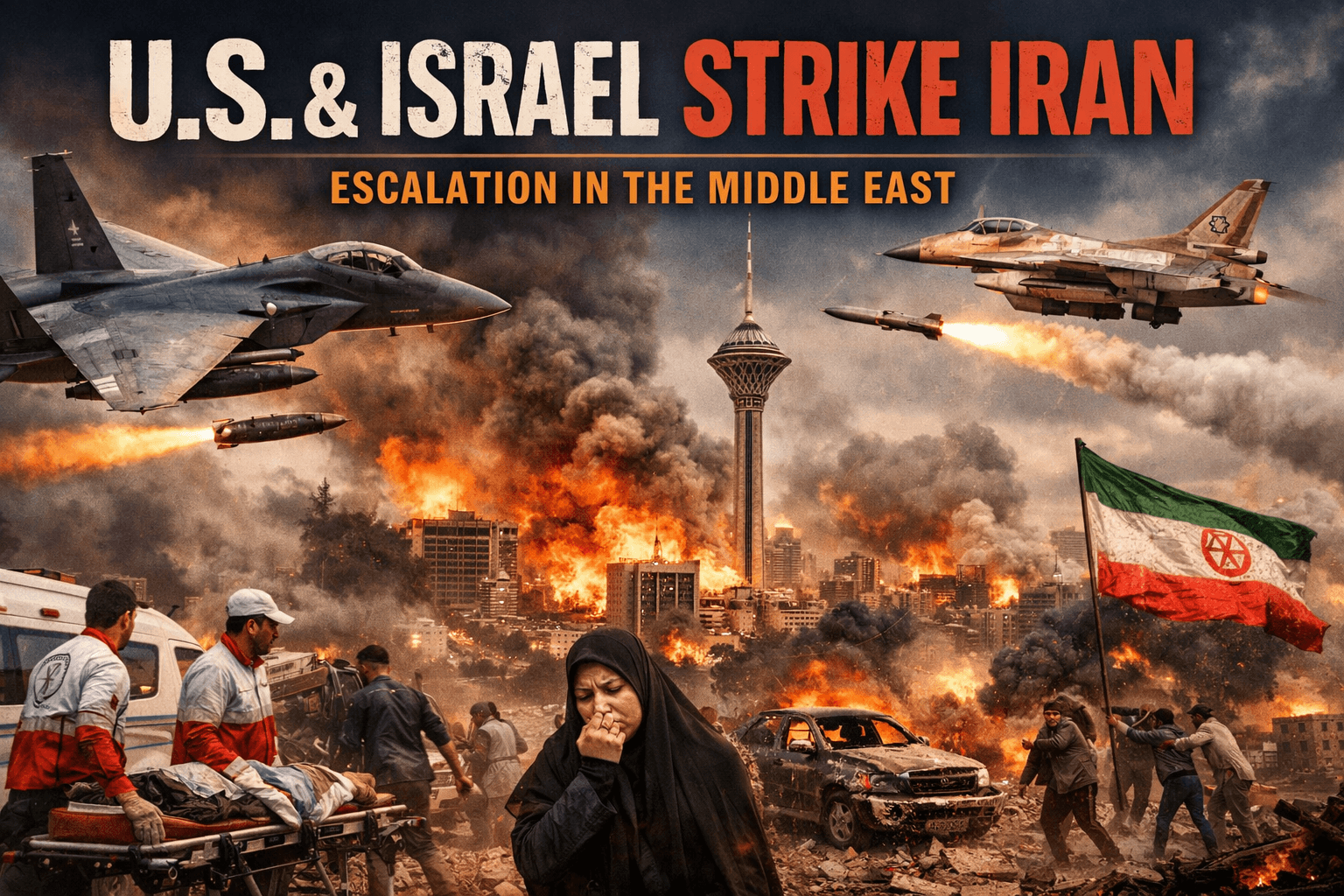
The 2026 escalation brought direct military action against Iran's nuclear infrastructure. Israeli and US strikes targeted key nuclear facilities, including Natanz and Fordow. The extent of damage to Iran's nuclear program remains unclear, but the attacks represent major escalation. Iran has vowed to rebuild and potentially accelerate nuclear activities. The strikes have raised concerns about radioactive contamination and environmental damage. Critics argue that military action may actually accelerate Iran's push for nuclear weapons, as the regime now sees them as essential for deterrence against future attacks.

Military vs Diplomatic Solutions: The Ongoing Debate

The crisis has reignited debate over how to handle Iran's nuclear program. Proponents of military action argue that diplomacy failed and that Iran cannot be trusted to honor agreements. They point to Iran's history of deception and aggressive regional activities as evidence that a nuclear-armed Iran would be catastrophic. Critics of military action argue that strikes can only delay, not prevent, Iran's nuclear development. They warn that military action unites Iranians around the regime, undermines internal opposition, and may push Iran to openly pursue nuclear weapons. The long-term effectiveness of military strikes remains uncertain.

Regional and Global Nuclear Implications

The nuclear crisis has implications far beyond Iran's borders. Regional US allies, including Israel and Saudi Arabia, have long viewed a nuclear-armed Iran as existential threat. China and Russia have opposed harsh measures against Iran, complicating international response. European nations have sought to preserve diplomacy but have limited leverage. The potential for miscalculation is high: a misread intelligence report, a stray missile, or a domestic Iranian political crisis could trigger wider conflict involving nuclear-armed powers. The precedent set by military strikes on nuclear facilities may have long-term implications for global non-proliferation efforts.

Path Forward: Can Iran Nuclear Crisis Be Resolved?

Resolving the Iran nuclear crisis requires addressing not only technical aspects of nuclear enrichment but also underlying regional tensions and security concerns that drive Iran's nuclear ambitions. A comprehensive solution would need: verification mechanisms that truly prevent weaponization; regional security arrangements addressing legitimate Iranian concerns; economic incentives for compliance; and consequences for violations that all major powers will enforce. Whether such a solution is possible in the current environment of hostility and mistrust remains deeply uncertain.

Conclusion: Iran Nuclear Program's Central Role in Global Security

Iran's nuclear program remains one of the most dangerous flashpoints in international relations. Decades of diplomacy, sanctions, and now direct military action have not resolved the fundamental question of whether Iran will acquire nuclear weapons. The 2026 escalation has made the situation more volatile than ever. As the international community grapples with this challenge, the stakes could not be higher: the prospect of a nuclear-armed Iran would reshape the Middle East and potentially trigger a new era of nuclear proliferation with consequences extending around the globe.