ISRAEL-IRAN WAR

Gaza War 2026: Israel-Hamas Conflict, Humanitarian Crisis & Iran Connection

Gaza War 2026: Complete coverage of Israel-Hamas conflict including October 7 attack analysis, humanitarian crisis in Gaza, hostage situation, Iran-Hamas relationship, and regional implications for Middle East stability.

Gaza War 2026: Israel-Hamas Conflict, Humanitarian Crisis & Iran Connection

Gaza War 2026: Overview of Israel-Hamas Conflict

The Gaza war that began on October 7, 2023, has become one of the deadliest and most destructive conflicts in Israeli-Palestinian history. What started as a surprise Hamas attack on Israel has evolved into a prolonged war with profound humanitarian consequences, regional implications, and direct connections to the broader Israel-Iran conflict. This comprehensive analysis examines the origins, key events, humanitarian impact, and regional significance of the Gaza war.

October 7, 2023 Hamas Attack on Israel: What Happened?

On October 7, 2023, Hamas launched an unprecedented attack on Israel. Approximately 3,000 Hamas fighters breached Israel's border with Gaza, attacking kibbutzim, military bases, and a music festival. The attackers killed approximately 1,200 Israelis—the deadliest single day for Jews since the Holocaust. Hamas took approximately 250 hostages back to Gaza, including women, children, and elderly. The attack shocked Israel and the world, shattering assumptions about Israel's security. Hamas justified the attack as response to Israeli occupation, settlement expansion in the West Bank, and treatment of Palestinians. The attack demonstrated coordination with Iran-backed Hezbollah in Lebanon.

Israel's Military Response in Gaza: Strategy and Controversy

Israel declared war on Hamas immediately after October 7, launching a military campaign with stated goals of destroying Hamas's military and governing capabilities and securing hostage release. The campaign has involved extensive airstrikes, artillery bombardment, and ground operations throughout Gaza. Israel has targeted Hamas fighters, tunnels, weapons facilities, and government buildings in dense urban warfare. Israel has faced international criticism for destruction scale and civilian casualties, while arguing that Hamas uses civilians as human shields by operating in residential areas and using civilian infrastructure for military purposes. The war has continued for over a year with occasional ceasefires for hostage releases.

Gaza Humanitarian Crisis 2026: Casualties, Displacement, Famine

The Gaza war has created a humanitarian catastrophe of unprecedented scale. Over 40,000 Palestinians have been killed according to Gaza health authorities, with significant proportion being women and children. Approximately 80% of Gaza's 2.3 million population has been displaced, often multiple times. Gaza's infrastructure has been devastated—homes, schools, hospitals, water systems, and electrical grids damaged or destroyed. Access to food, clean water, medicine, and fuel has been severely limited, leading to famine warnings. International organizations have struggled to deliver assistance amid fighting and civil order breakdown. The psychological impact on Gaza's children, living through months of bombardment and displacement, will last generations.

Israel Hostages in Gaza: Current Situation and Negotiations

The approximately 250 hostages taken by Hamas on October 7 remain a central issue. Some hostages were released during a November 2023 ceasefire in exchange for Palestinian prisoners held by Israel. Others have been rescued by Israeli military operations, and some found dead. Approximately 100 hostages remain in Gaza, though Israeli authorities believe many are no longer alive. The hostage situation has created intense pressure on the Israeli government from families of captives, who have organized protests demanding a release deal. Hamas has conditioned hostage release on permanent ceasefire and full Israeli withdrawal from Gaza—terms Israel has rejected.

Hamas and Iran: Funding, Weapons, and Strategic Alliance

Hamas (Islamic Resistance Movement) was founded in 1987 during the First Intifada as a Muslim Brotherhood offshoot. The organization gained popularity through social services and uncompromising stance against Israel. Hamas won Palestinian legislative elections in 2006 and seized Gaza control from the Palestinian Authority in 2007. Iran has been a major Hamas supporter, providing funding, weapons, and training. The relationship has not always been smooth—Hamas broke with Iran temporarily over the Syrian civil war—but the alliance has strengthened recently. Iran views Hamas as part of its 'axis of resistance' against Israel and the United States. Hamas's October 7 attack demonstrated capabilities Iran helped build.

International Reactions to Gaza War: Global Divisions

The Gaza war has polarized international opinion. The United States, Israel's closest ally, has provided military and diplomatic support while expressing concern about civilian casualties and calling for more humanitarian aid. European countries have generally supported Israel's self-defense right while criticizing military campaign aspects. Arab and Muslim-majority countries have condemned Israel and called for immediate ceasefire. The United Nations and international human rights organizations have accused Israel of war crimes and possible genocide—charges Israel denies. Protests and debates over the war have occurred worldwide, with universities, cities, and governments divided over response.

Gaza War's Connection to Israel-Iran Conflict

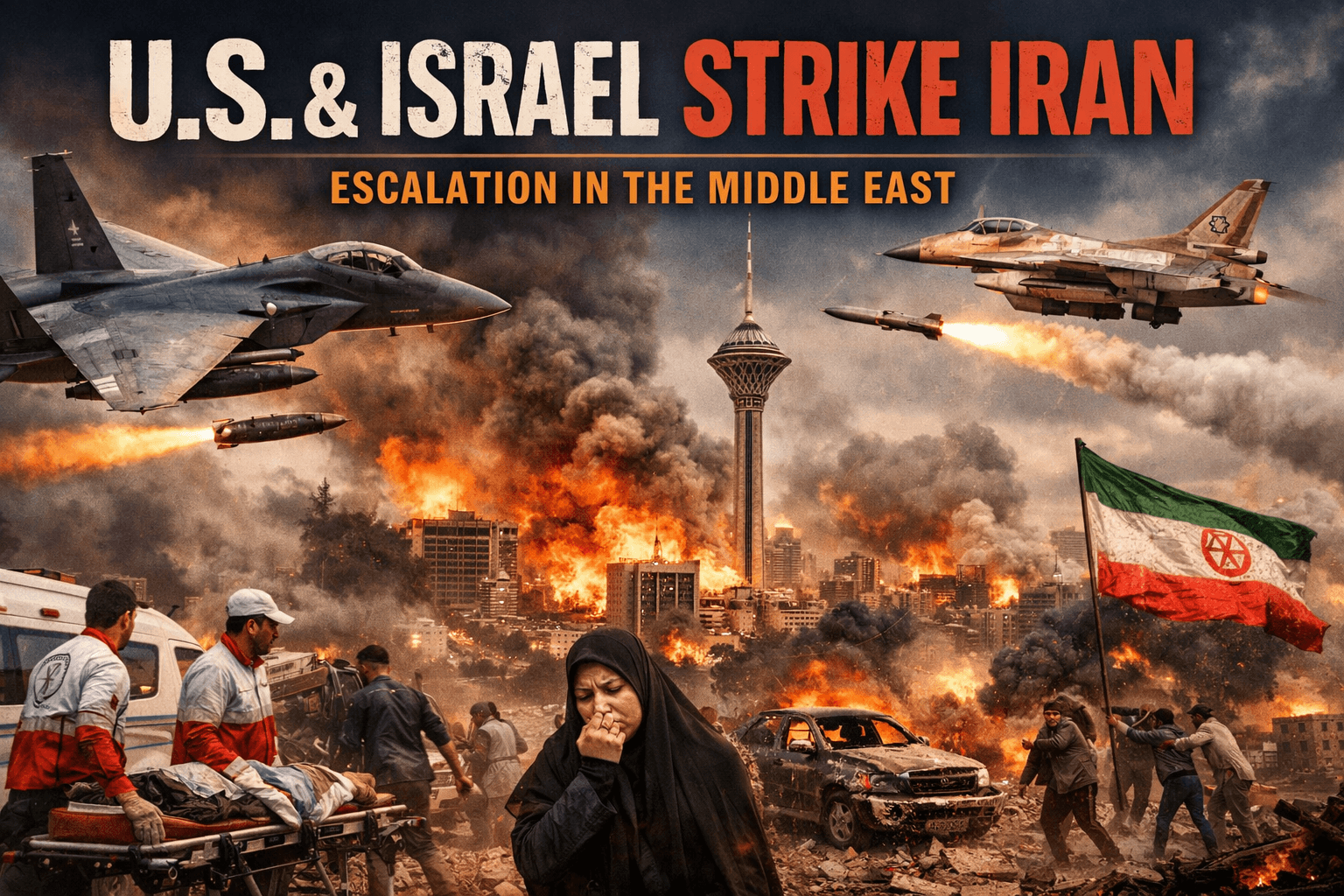
The Gaza war is not isolated but a key component of the broader Israel-Iran confrontation. Hamas is part of Iran's network of proxy forces threatening Israel from multiple directions. The October 7 attack and subsequent war have tied down Israeli forces and attention, potentially limiting Israel's ability to address other threats. Iran has used the Gaza war to rally regional support and justify pressure on Israel and the United States. The war has influenced Iranian calculations about risks and opportunities of direct confrontation with Israel. The 2026 escalation bringing open warfare between Israel and Iran cannot be understood without reference to the Gaza war.

Future of Gaza: Post-War Scenarios and Challenges

The question of post-war Gaza remains unresolved. Israel has stated it will maintain security control over Gaza indefinitely—a position opposed by the United States and most of the international community. Various proposals include: international peacekeeping force, Palestinian Authority administration, or coalition of Arab nations. Hamas continues fighting, betting that international pressure will force Israeli withdrawal before destruction is complete. Gaza's destruction is so extensive that reconstruction would take years and billions of dollars, but donors are reluctant to commit without clear political framework.

Conclusion: Gaza War's Place in Middle East History

The Gaza war has been a tragedy for Israelis and Palestinians alike. The October 7 attack inflicted trauma on Israel that will shape the nation for decades. Israel's military response has caused suffering in Gaza on a scale that has shocked the world. The war has become intertwined with regional dynamics, including the Israel-Iran conflict, making resolution even more complex. As fighting continues, civilians on both sides bear the cost of a conflict with no clear end in sight. The Gaza war will be remembered as a pivotal moment in Middle Eastern history, but whether it leads to lasting change or merely another chapter in endless conflict remains to be seen.