SANCTIONS

US Sanctions on Iran 2026: Economic Warfare, Humanitarian Impact & Global Effects

US sanctions on Iran 2026: How economic pressure works, impact on Iranian economy and civilians, humanitarian crisis, sanctions evasion methods, effectiveness debate, and implications for global trade and dollar dominance.
US Sanctions on Iran 2026: Economic Warfare, Humanitarian Impact & Global Effects

US Sanctions on Iran 2026: Most Comprehensive Economic Pressure Campaign

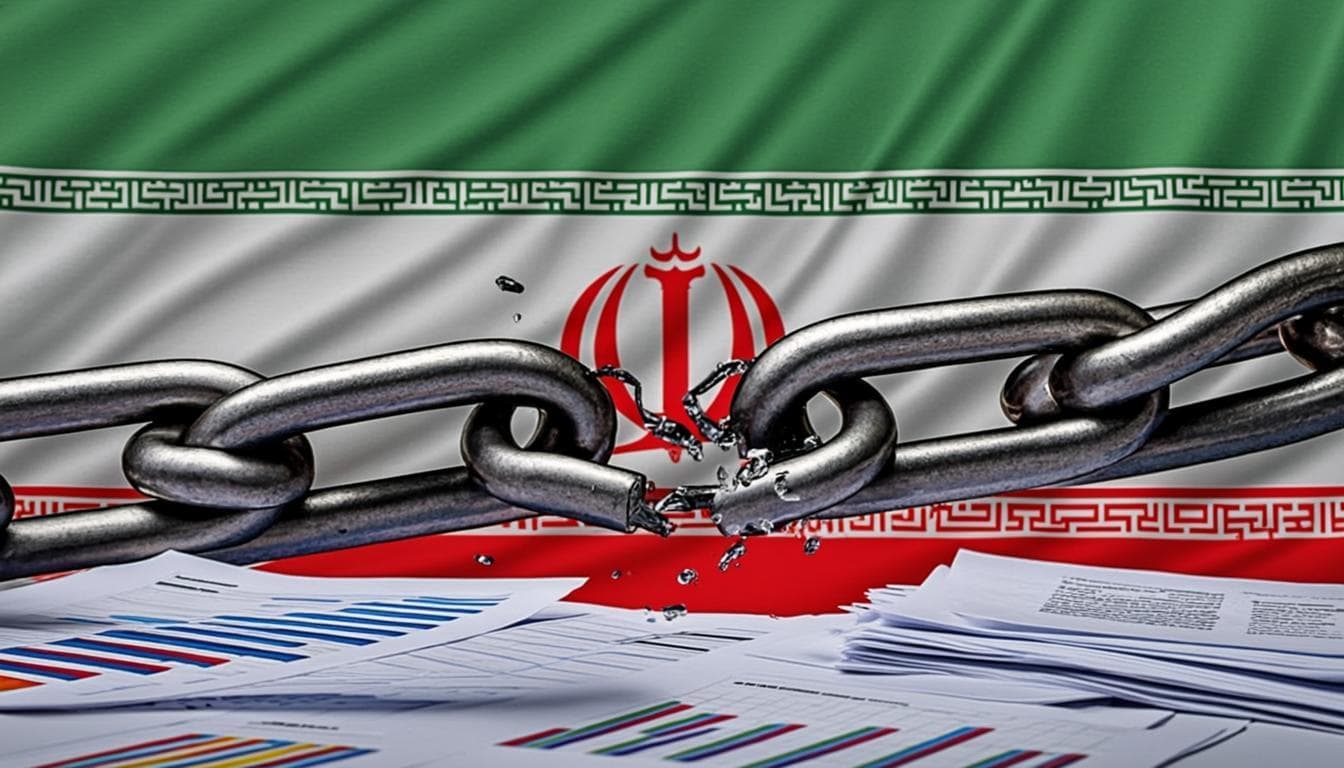
US sanctions on Iran constitute one of the most comprehensive economic pressure campaigns ever deployed against a nation. For over four decades, successive US administrations have used sanctions to change Iranian behavior, targeting everything from oil exports to financial transactions to individual officials. The sanctions have inflicted severe damage on Iran's economy, but their effectiveness in achieving US policy goals remains debated. The 2026 escalation has brought renewed sanctions pressure alongside military action, raising questions about the role of economic warfare in international relations.

History of US Sanctions on Iran: 1979 to 2026

US sanctions on Iran began after the 1979 Islamic Revolution and subsequent hostage crisis. Initial sanctions froze Iranian assets in the United States and banned trade. Over the decades, sanctions expanded dramatically. The 1990s saw sanctions on Iranian oil and trade, expanded by both executive orders and congressional legislation. The 2000s brought UN Security Council sanctions targeting Iran's nuclear program. The 2010s featured the 'maximum pressure' campaign imposing secondary sanctions on countries and companies dealing with Iran. Despite brief relief under the JCPOA, sanctions have remained a central tool of US policy toward Iran.

How US Sanctions on Iran Work: Primary, Secondary, Financial, Sectoral

US sanctions on Iran operate through multiple mechanisms. Primary sanctions prohibit US persons and companies from engaging in transactions with Iran. Secondary sanctions threaten penalties against non-US entities doing business with Iran, effectively forcing foreign companies to choose between the US and Iranian markets. Financial sanctions cut Iran off from the global banking system, making international trade difficult. Sectoral sanctions target specific industries including oil, shipping, automotive, and construction. Individual sanctions freeze assets and ban travel for designated Iranian officials. The result is an economic stranglehold affecting virtually every aspect of Iran's international economic relations.

Impact on Iranian Economy: Currency Collapse, Inflation, Poverty

The economic impact of sanctions on Iran has been severe. Oil exports, historically the backbone of Iran's economy, have fluctuated dramatically based on sanctions enforcement. The Iranian rial has lost most of its value, causing inflation that has eroded living standards. Foreign investment has largely fled the country. Iranian businesses struggle to import raw materials and export products. The banking system is isolated from international finance. Economic growth has been volatile, with periods of deep recession. While Iran has developed workarounds including cryptocurrency transactions and barter arrangements, these cannot fully compensate for loss of normal economic relations.

Humanitarian Impact of Sanctions on Iran: Medicine Shortages, Healthcare Crisis

While sanctions technically exempt humanitarian goods like food and medicine, in practice they have created severe difficulties for ordinary Iranians. Banks and shipping companies are reluctant to process transactions involving Iran even for exempt goods, fearing inadvertent sanctions violations. This has led to shortages of medicines and medical equipment. The economic hardship caused by sanctions has increased poverty and reduced healthcare access. Critics argue that sanctions amount to collective punishment of civilians, violating international humanitarian principles. Supporters contend that the Iranian government, not sanctions, is responsible for its people's suffering.

Iran Sanctions Evasion: Cryptocurrency, Front Companies, Ship-to-Ship Transfers

Iran has developed sophisticated methods to evade sanctions. Front companies in third countries obscure the Iranian origin of transactions. Ship-to-ship transfers at sea allow Iranian oil to reach markets while disguising its origin. Cryptocurrency provides an alternative to traditional banking. Barter arrangements allow Iran to trade oil for goods without financial transactions. Domestic production has been boosted in some sectors to reduce import dependence. Iran has also built relationships with countries like China and Russia willing to challenge US sanctions. These adaptations reduce but cannot eliminate sanctions impact.

Global Implications: Dollar Dominance and Financial System Alternatives

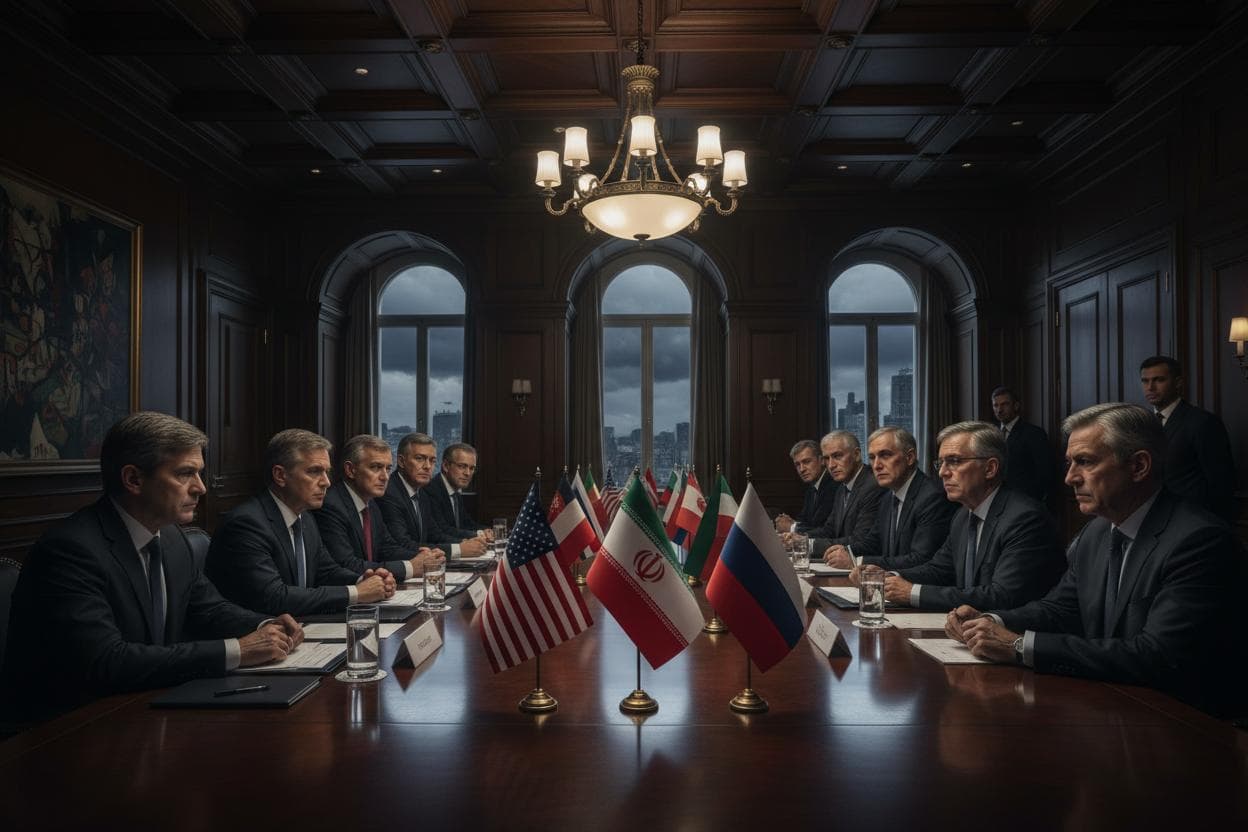
US sanctions on Iran have implications far beyond the bilateral relationship. European allies have struggled with US secondary sanctions affecting their companies' ability to do legitimate business. The use of the dollar's dominant position in global finance to enforce sanctions has led to discussions about alternatives to the dollar-based financial system. China and Russia have criticized US sanctions as overreach and have sought to develop payment systems independent of US control. The sanctions regime tests the limits of American economic power and raises questions about weaponization of finance in international relations.

Do Sanctions on Iran Work? Effectiveness Debate

The effectiveness of sanctions on Iran is hotly debated. Supporters point to economic pressure that brought Iran to the negotiating table in 2015, resulting in the JCPOA nuclear deal. They argue that only maximum pressure can change Iranian behavior on nuclear issues, regional activities, and human rights. Critics argue that sanctions have failed to change the fundamental nature of the Iranian regime or its key policies. They note that Iran has continued its nuclear program, supported proxy groups, and repressed domestic dissent despite decades of sanctions. Some argue that sanctions strengthen hardliners by creating external enemies and enabling the regime to blame foreigners for economic problems.

Sanctions and 2026 Military Escalation

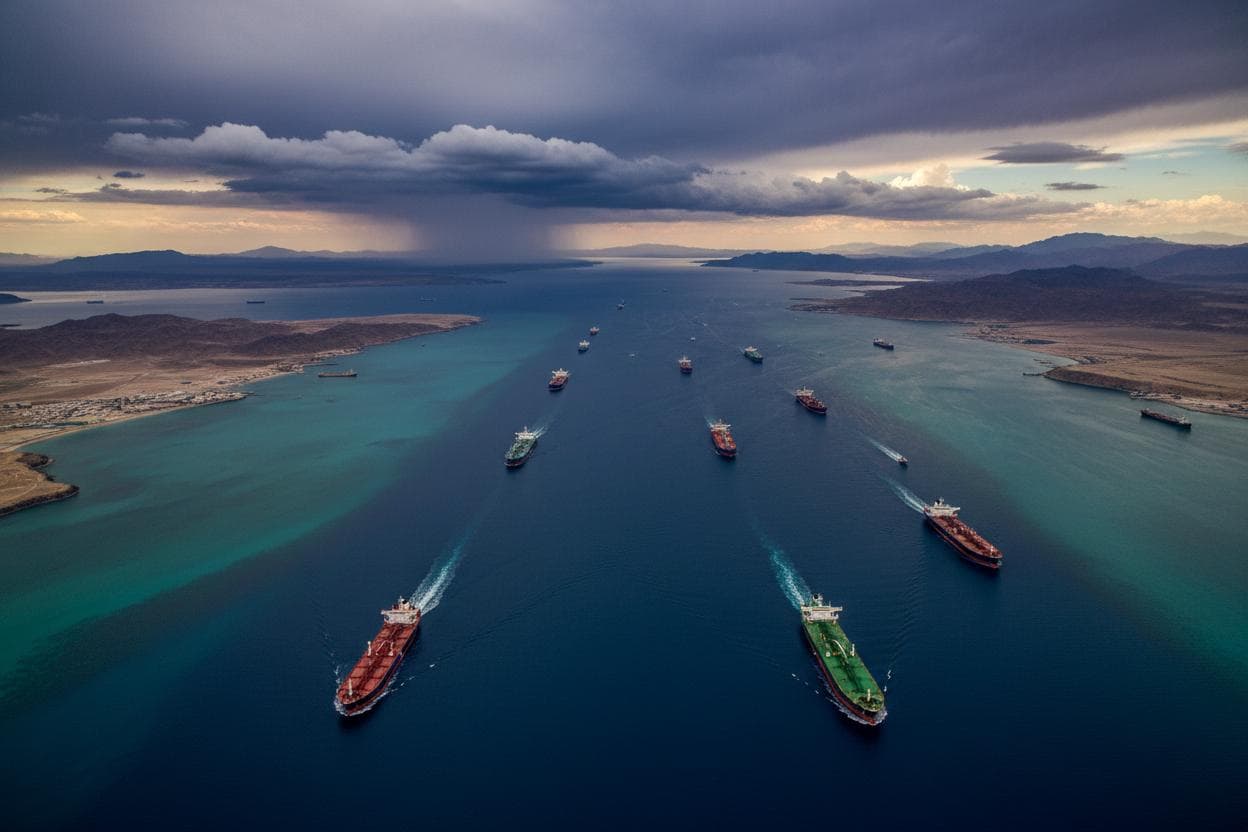
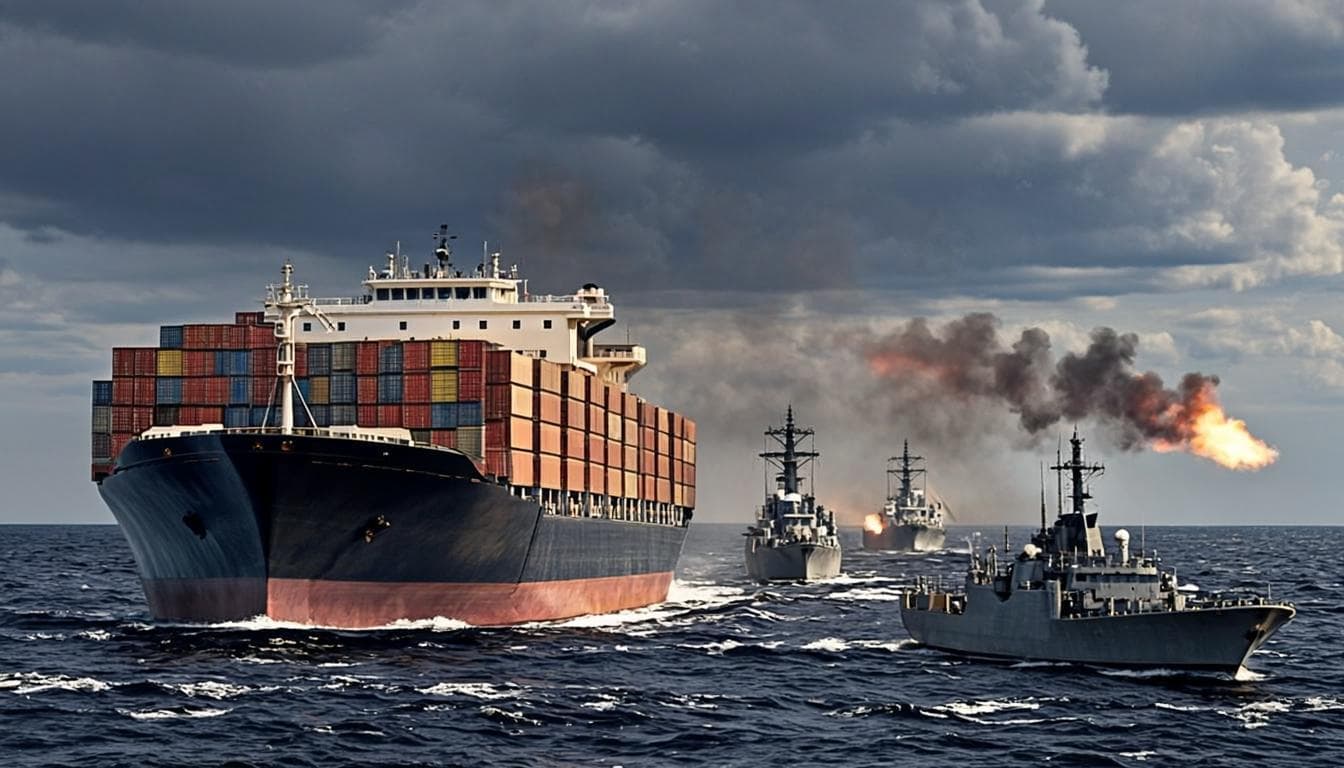
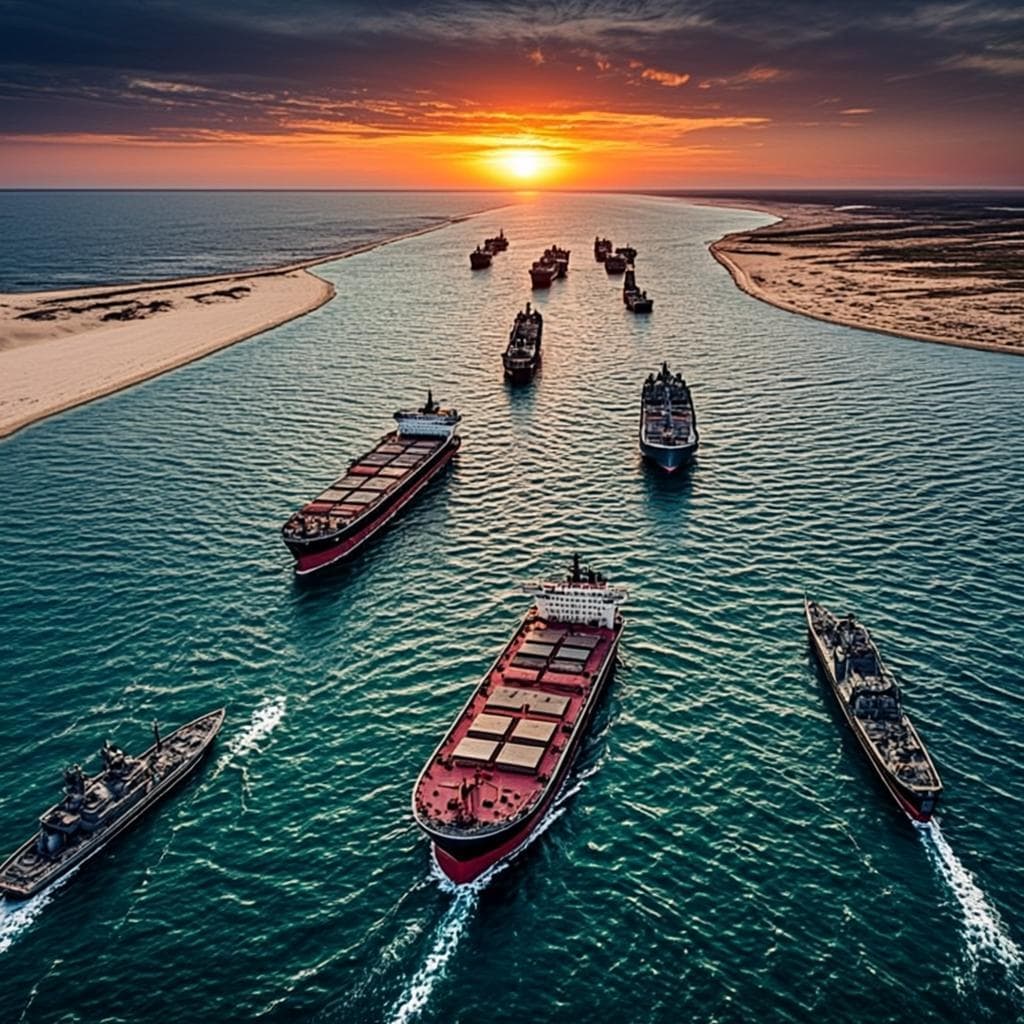
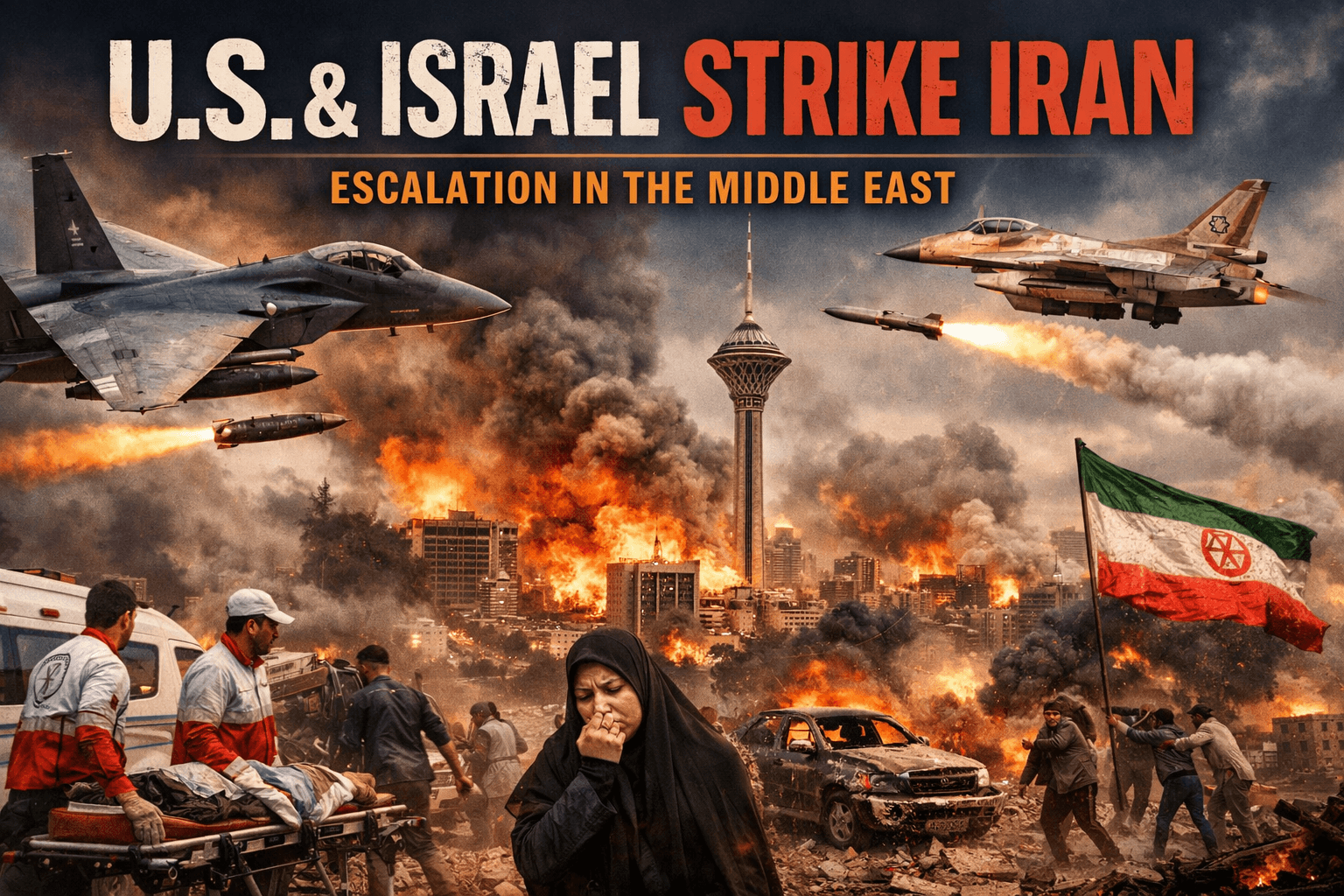
The 2026 military escalation has brought sanctions back to the forefront. New sanctions have been imposed targeting Iranian officials and entities connected to missile development and regional activities. Meanwhile, Iran's ability to export oil—a key revenue source—has been disrupted by military action against oil facilities and threats to shipping through the Strait of Hormuz. The combination of military pressure and economic sanctions represents the most intense pressure Iran has faced since the Iran-Iraq War. How the Iranian regime and population respond to this pressure remains to be seen.

Conclusion: Economic Warfare as International Policy Tool

US sanctions on Iran represent a long-term experiment in economic warfare. They have inflicted significant damage on Iran's economy and contributed to pressure that led to diplomatic negotiations. However, they have not achieved the fundamental goal of changing Iranian behavior on nuclear issues, regional policy, or domestic governance. The humanitarian costs have been substantial. As the 2026 crisis unfolds, the role of sanctions alongside military action raises profound questions about the ethics, effectiveness, and future of economic pressure as a tool of international policy.