OIL & ENERGY

Russia Oil Prices 2026: Sanctions Impact and Urals Crude Trading

Russia oil prices 2026: Analysis of Western sanctions impact, Urals crude discount, Russian oil exports to Asia, and how sanctions affect global energy markets.

Russia Oil Prices 2026: Sanctions Impact and Urals Crude Trading

Russia Oil Prices 2026: Navigating Sanctions and Markets

Russia, one of the world's largest oil producers, has faced unprecedented sanctions since the 2022 Ukraine invasion, fundamentally reshaping its oil export strategy and pricing. Russian Urals crude trades at a significant discount to Brent benchmark, reflecting sanctions-imposed market segmentation. Despite Western restrictions, Russia has successfully redirected exports to Asian markets, particularly China and India, maintaining substantial production volumes. In 2026, Russian oil continues to flow, but at prices and through channels very different from the pre-sanctions era, with profound implications for global energy markets.

Urals Crude: Russia's Oil Benchmark

Urals crude is Russia's primary export blend, a mixture of light and heavy crudes from various Russian oil fields. Historically, Urals traded at a small discount to Brent due to slightly lower quality (higher sulfur content) and transportation costs. Following sanctions, the Urals discount widened dramatically, at times exceeding $30 per barrel below Brent. This discount reflects the premium buyers demand for handling sanctioned oil, increased shipping costs as Russian oil travels further to new markets, and payment complications. The discount has narrowed somewhat as markets adjusted, but Urals continues trading well below international benchmarks.

Western Sanctions on Russian Oil: Price Cap and Embargo

The G7, EU, and allies implemented a price cap mechanism in December 2022, setting a ceiling on the price at which Russian oil could be traded while still using Western shipping and insurance services. Initially set at $60 per barrel for crude, the price cap aimed to limit Russian revenue while keeping oil flowing to prevent global price spikes. The EU also implemented an embargo on seaborne Russian crude imports. Russia has responded by developing its own shipping and insurance infrastructure, though with mixed success. The effectiveness of sanctions remains debated, with Russian oil continuing to reach global markets through various channels.

Russia's Pivot to Asian Markets: China and India

Sanctions have forced Russia to redirect oil exports from Europe to Asia. China has become Russia's largest oil customer, importing record volumes at discounted prices. India, which previously bought little Russian oil, now receives significant volumes of Urals crude, often refined and re-exported as petroleum products. This pivot has required reorienting logistics—Russian oil now travels much longer distances to reach customers. The shift has also created new dependencies, as Russia becomes increasingly reliant on a smaller number of buyers with significant bargaining power. Asian buyers have benefited from discounted Russian crude, creating arbitrage opportunities.

Russian Oil Production and OPEC+ Cooperation

Russia remains a key member of OPEC+, the expanded producer alliance. Despite sanctions, Russia continues to participate in production coordination, though its compliance with quotas has been questioned. Russian oil production has proven more resilient than many expected, maintaining output of approximately 9-10 million barrels per day. The country has invested in maintaining production capacity and developing new fields, particularly in eastern Siberia and the Arctic, which are better positioned to serve Asian markets. OPEC+ coordination has provided Russia with a framework for managing production in a sanctions-constrained environment.

Impact of Sanctions on Russian Economy

Oil and gas revenues traditionally provided approximately 40% of Russia's federal budget. Sanctions have significantly reduced these revenues, though not eliminated them. The Urals discount means Russia receives less per barrel than market prices suggest. Payment difficulties, including exclusion from SWIFT banking systems, have complicated transactions. However, Russia's economy has proven more resilient than anticipated, adapting through alternative payment systems, continued energy exports, and import substitution. The long-term impact on Russian oil industry investment and production capacity remains uncertain, as sanctions complicate access to Western technology and capital.

Shadow Fleet: Russian Oil Transportation

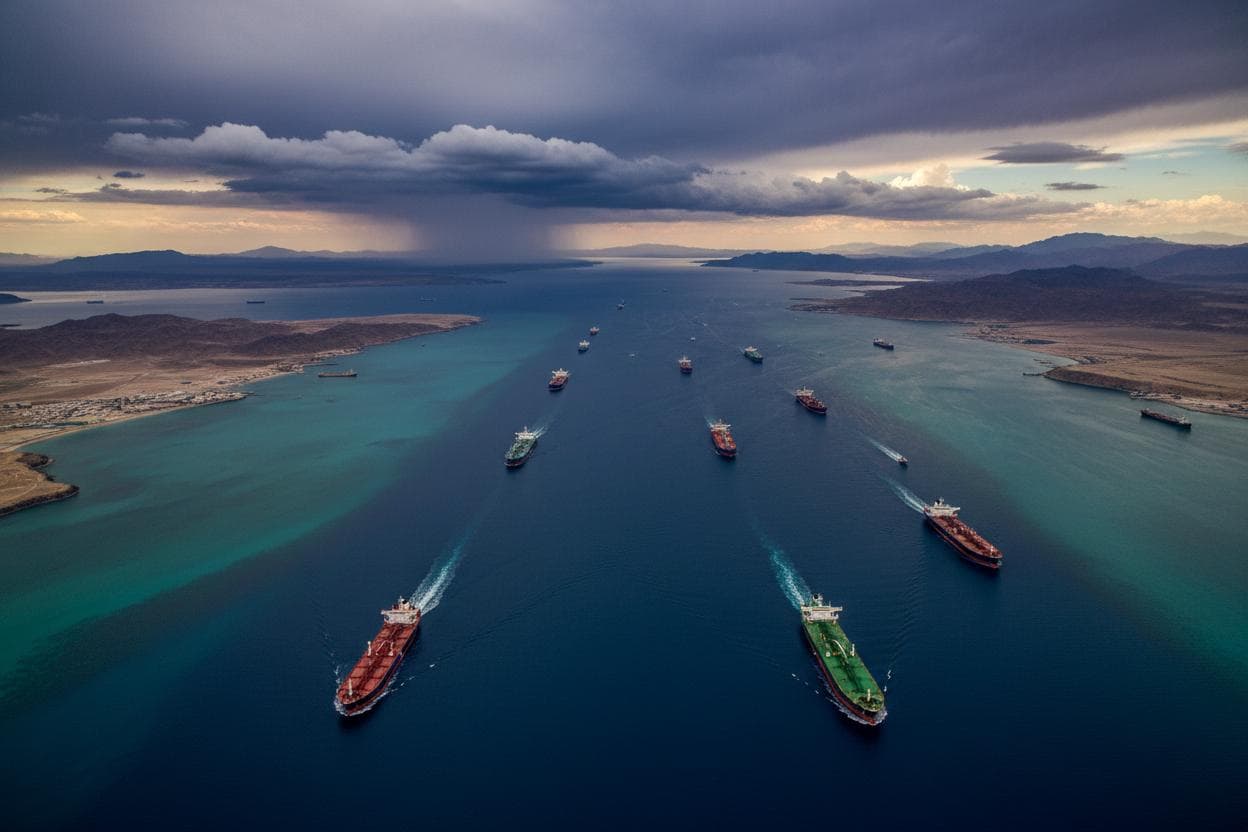
Russia has assembled a 'shadow fleet' of oil tankers to transport sanctioned crude outside Western control. These vessels, often older ships with opaque ownership, operate without Western insurance and outside established shipping frameworks. The shadow fleet raises significant safety and environmental concerns, as older ships without proper insurance pose risks of accidents and oil spills. Western authorities have increased enforcement against sanctions evasion, seizing vessels and imposing penalties on companies facilitating prohibited trade. The cat-and-mouse game between sanctions enforcers and Russian oil traders continues to evolve.

Arctic and Eastern Siberia: Future Russian Oil Development

Russia has ambitious plans for oil development in the Arctic and eastern Siberia, regions that would support expanded Asian exports. Projects like Vostok Oil aim to develop vast new production areas. However, sanctions have complicated these plans by restricting access to Western technology, particularly for offshore Arctic development and liquefied natural gas. Russia has sought Chinese and Indian investment for these projects, with mixed results. The long-term viability of Arctic development without Western technology remains uncertain, though Russia continues pursuing these strategic resources.

Global Impact of Russian Oil Sanctions

The sanctions regime against Russian oil has reshaped global energy markets. Europe has replaced Russian crude with supplies from the Middle East, West Africa, and the Americas. This redirection has increased shipping distances and costs globally. The price cap has created a bifurcated market, with Russian oil trading separately from international benchmarks. Some analysts argue sanctions have made global oil markets less efficient and potentially less stable. Others contend they have successfully limited Russian revenues while avoiding catastrophic supply disruptions. The debate over sanctions effectiveness continues as the conflict persists.

Conclusion: Russian Oil in a Sanctions Era

Russia's oil industry has demonstrated remarkable resilience under sanctions, but at significant cost. Urals crude trades at persistent discounts, exports have been rerouted over longer distances, and investment in future production faces challenges. The sanctions regime has created a new paradigm in global oil markets, with Russian oil flowing through separate channels at separate prices. For Russia, oil remains essential but the terms of trade have fundamentally changed. As the Ukraine conflict and sanctions persist, Russian oil will continue to influence global markets while operating under constraints unimaginable just a few years ago.