Canada Oil Prices 2026: Oil Sands Production and Global Market
Canada oil prices 2026: Analysis of Canadian oil sands, WCS pricing, pipeline developments, and environmental challenges facing the world's fourth-largest oil producer.
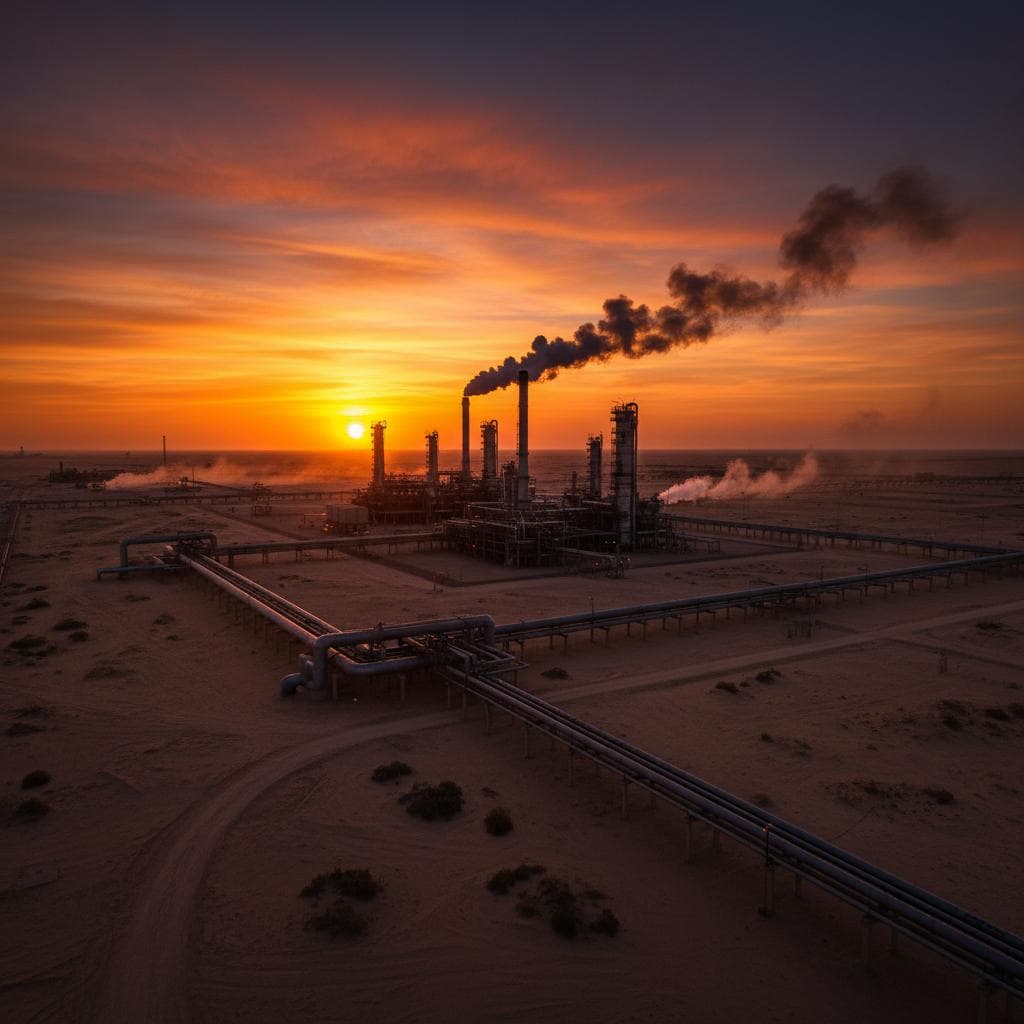


Canada ranks as the world's fourth-largest oil producer, with output of approximately 4.5-5 million barrels per day, primarily from Alberta's oil sands. The country holds the third-largest proven oil reserves globally, mostly in unconventional oil sands deposits. Canadian oil production has grown significantly over the past two decades, though development has been constrained by pipeline capacity, environmental opposition, and market access challenges. In 2026, Canada navigates global energy transition pressures while continuing to develop its petroleum resources.
The oil sands in northern Alberta contain approximately 165 billion barrels of proven reserves, representing the vast majority of Canada's petroleum resources. Oil sands are unconventional deposits of bitumen—extremely heavy, viscous oil that requires energy-intensive extraction and upgrading. Mining operations are used for shallow deposits, while steam-assisted gravity drainage (SAGD) recovers deeper resources. Major producers include Canadian Natural Resources, Suncor Energy, Cenovus Energy, and Imperial Oil. Oil sands operations require massive capital investment and have high operating costs compared to conventional oil.
Western Canadian Select (WCS) is the benchmark price for Canadian heavy crude blends. WCS typically trades at a discount to WTI, reflecting quality differences (WCS is heavier and more sour) and transportation constraints to reach markets. This discount has varied significantly, at times exceeding $30 per barrel when pipeline capacity was severely constrained. Improved pipeline capacity in recent years has narrowed the discount, but WCS continues trading below US benchmarks. The price differential affects Canadian producer economics and government revenues, making market access a political priority.
Pipeline capacity has been a defining issue for Canadian oil. Limited pipeline access to reach markets beyond the US Midwest created significant price discounts. The Trans Mountain Pipeline expansion, completed after years of delay and cost overruns, provides access to Pacific markets for the first time, enabling exports to Asia. Other proposed pipelines, including Keystone XL (cancelled) and Energy East (cancelled), faced opposition on environmental and political grounds. Pipeline constraints have shaped Canadian oil development, at times forcing production curtailments and reducing investment returns.
The United States is by far Canada's largest oil customer, importing the vast majority of Canadian crude exports. Canadian heavy crude is processed in US refineries in the Midwest and Gulf Coast designed for such grades. The Trans Mountain expansion enables exports to Asia, potentially diversifying Canada's customer base. However, building Asian market relationships takes time. Canada also exports refined products to the United States. The concentration of exports to one customer creates market dependence, making the health of US-Canada energy relations critical to Canadian producers.
Canadian oil sands face intense environmental scrutiny due to higher carbon intensity than many conventional crudes. Oil sands extraction and upgrading produce more greenhouse gas emissions per barrel than lighter, conventional oils. Environmental groups have campaigned against oil sands development, opposing pipelines and urging divestment from Canadian oil. Canadian producers have invested in reducing emissions intensity, and the sector has committed to net-zero emissions by 2050. However, environmental opposition remains a significant factor affecting investment and market access.
Canadian federal policy balances supporting the oil industry with climate commitments. Carbon pricing, emissions regulations, and clean fuel standards affect oil sector operations. The government has supported pipeline development (including purchasing Trans Mountain) while also promoting renewable energy and emissions reduction. Provincial governments in Alberta and other producing provinces have generally been more supportive of oil development, creating tensions with federal climate policy. The policy environment creates uncertainty for investors evaluating long-term projects.
Oil development in Canada occurs on traditional Indigenous territories, creating complex relationships between industry, governments, and First Nations, Metis, and Inuit communities. Some Indigenous communities support development for economic opportunities, including equity ownership in pipelines and projects. Others oppose projects due to environmental concerns and impacts on traditional lands and rights. Canadian courts have strengthened requirements for Indigenous consultation and accommodation in resource development. Indigenous participation in oil projects has increased, with some communities becoming equity partners.
The global energy transition creates both challenges and opportunities for Canadian oil. Long-term demand uncertainty affects investment in projects with decades-long lifespans. However, oil sands operations continue producing from existing infrastructure, and Canadian producers are investing in carbon capture and storage, hydrogen production, and other technologies to reduce emissions. Canada's stable political environment, established infrastructure, and proximity to US markets provide advantages. The long-term trajectory will depend on global demand patterns and Canada's ability to reduce the carbon intensity of its petroleum.
Canada's oil industry remains a significant global player, with vast reserves and established production. However, the sector faces headwinds from environmental opposition, policy uncertainty, and energy transition pressures. Pipeline capacity improvements have helped narrow pricing discounts, but market access remains a concern. Canadian producers are adapting through emissions reduction investments and diversification efforts. The coming years will determine whether Canada can maintain its position as a major oil producer while meeting climate commitments—a balance that many other petroleum-producing nations also struggle to achieve.