Iran Oil Prices 2026: Sanctions, Conflict and Global Impact
Iran oil prices 2026: Analysis of Iranian oil industry under sanctions, Strait of Hormuz threats, production capacity, and impact on global oil markets amid US conflict.


Iran possesses the world's fourth-largest proven oil reserves and second-largest natural gas reserves, but its petroleum industry operates under severe US sanctions and now direct military conflict. The 2026 US-Iran war has targeted Iranian oil infrastructure including the Kharg Island export terminal. Despite sanctions and conflict, Iran has demonstrated resilience, finding ways to continue exporting oil, primarily to China. The country's petroleum resources represent both economic potential and a source of leverage in international relations.
US sanctions have severely constrained Iran's oil exports since the US withdrawal from the JCPOA nuclear deal in 2018. At times, Iranian exports have fallen below 500,000 barrels per day from pre-sanctions levels of over 2.5 million barrels per day. Sanctions target not only Iranian oil sales but also shipping, insurance, and financial transactions related to Iranian petroleum. Iran has developed methods to evade sanctions including ship-to-ship transfers, disguising oil origins, and using shadow fleets. However, sanctions have significantly reduced Iranian oil revenue and limited investment in production capacity.
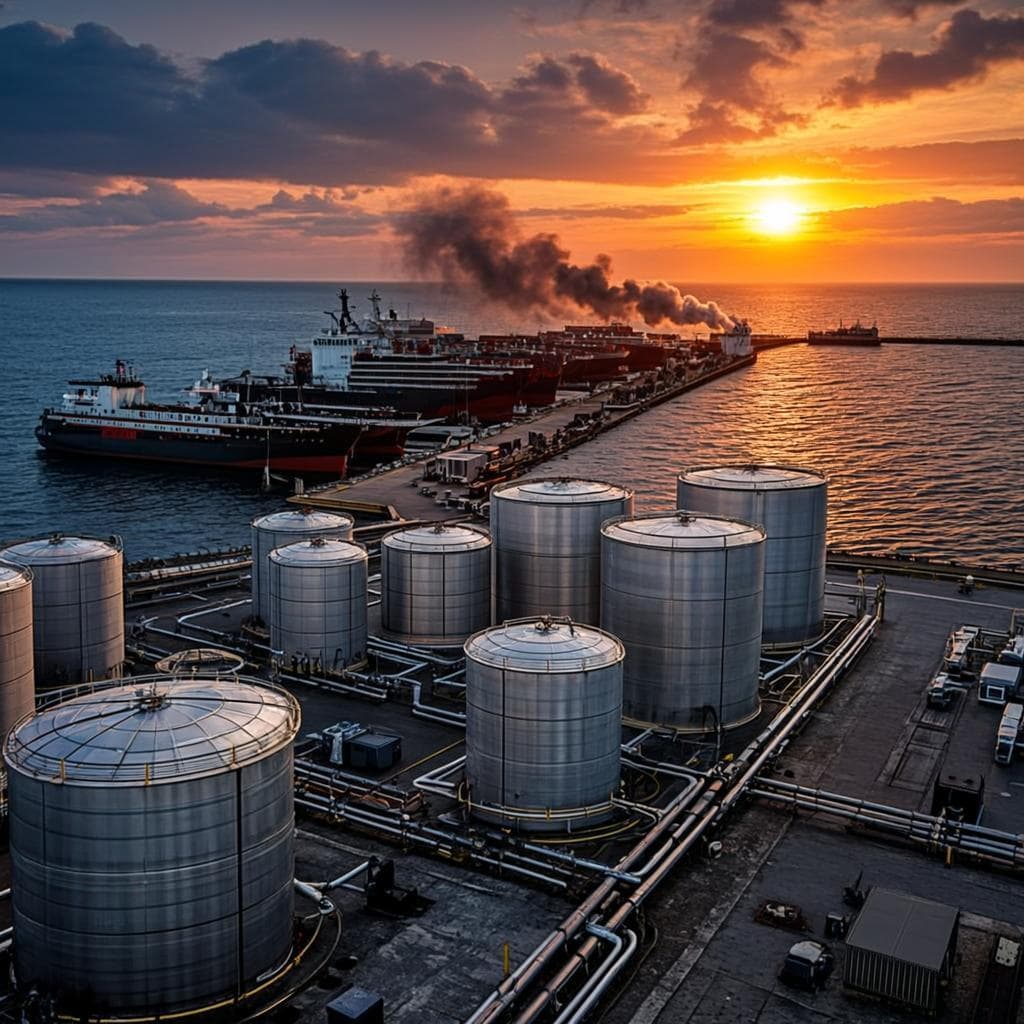
Kharg Island, located in the Persian Gulf, is Iran's primary oil export terminal, handling approximately 90% of the country's crude exports. The facility has been targeted in the 2026 conflict, with strikes aiming to reduce Iran's oil export capability. Damage to Kharg Island has immediate implications for Iran's petroleum revenue and global oil supply. Iran has developed alternative export facilities on the mainland, but Kharg remains the most important. The attack on Kharg Island represents a significant escalation in targeting energy infrastructure.
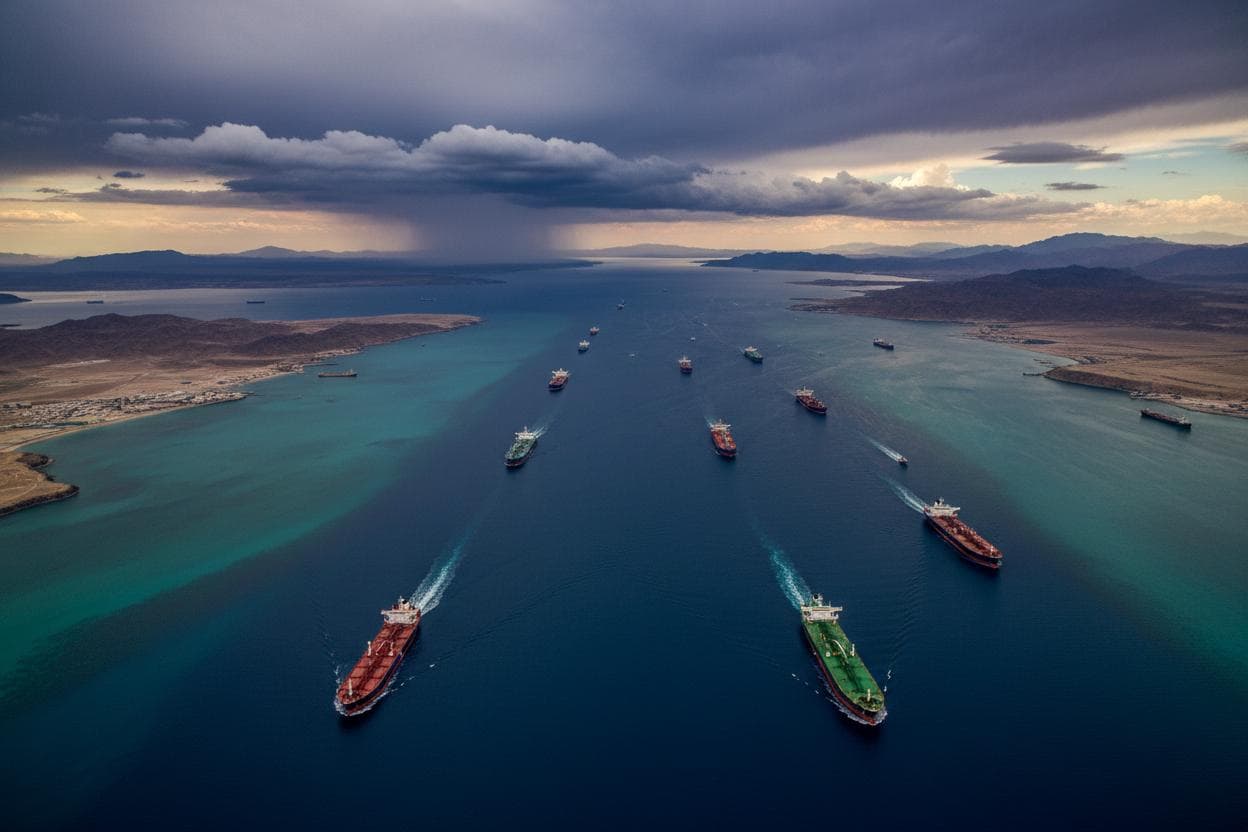
The Strait of Hormuz, through which approximately 21 million barrels of oil pass daily (20% of global consumption), borders Iran and represents both a threat and an opportunity. Iran has repeatedly threatened to close the strait in response to attacks or sanctions. While a complete closure would be difficult and potentially self-defeating (affecting Iran's own exports and provoking massive international response), Iran can harass shipping, lay mines, and create uncertainty that affects oil prices and insurance costs. The strait remains a critical factor in regional energy security.
Despite sanctions, Iran continues exporting oil, primarily to China. Chinese independent refineries ('teapots') have been major buyers of sanctioned Iranian crude, taking advantage of discounted prices. Iran has also exported to Syria, Venezuela, and occasionally other destinations through complex arrangements. The opacity of these transactions makes estimating actual volumes difficult. Payment arrangements including barter and cryptocurrency have been used to circumvent financial sanctions. The continued flow of Iranian oil demonstrates the difficulty of completely sealing off a determined producer.
Iran has invested in domestic refining capacity to reduce dependence on imported petroleum products. Major refineries include Abadan, Tehran, and Isfahan, though capacity remains insufficient for domestic demand. Iran imports gasoline and other refined products despite being a major crude exporter—a paradox common in oil-producing countries that have not developed sufficient refining. Subsidized domestic fuel prices encourage consumption, creating economic inefficiency. Natural gas is the primary domestic fuel for power generation and industry, with oil used primarily for transportation.
Iran holds the world's second-largest natural gas reserves, primarily in the South Pars field shared with Qatar. However, international sanctions and domestic consumption needs have limited Iran's ability to become a major gas exporter. Most production serves domestic power generation, industry, and injection into oil fields for enhanced recovery. Iran exports some gas to Turkey and Iraq, and has discussed pipeline projects to other destinations, but sanctions and geopolitical complications have constrained these ambitions. The South Pars development continues despite challenges.
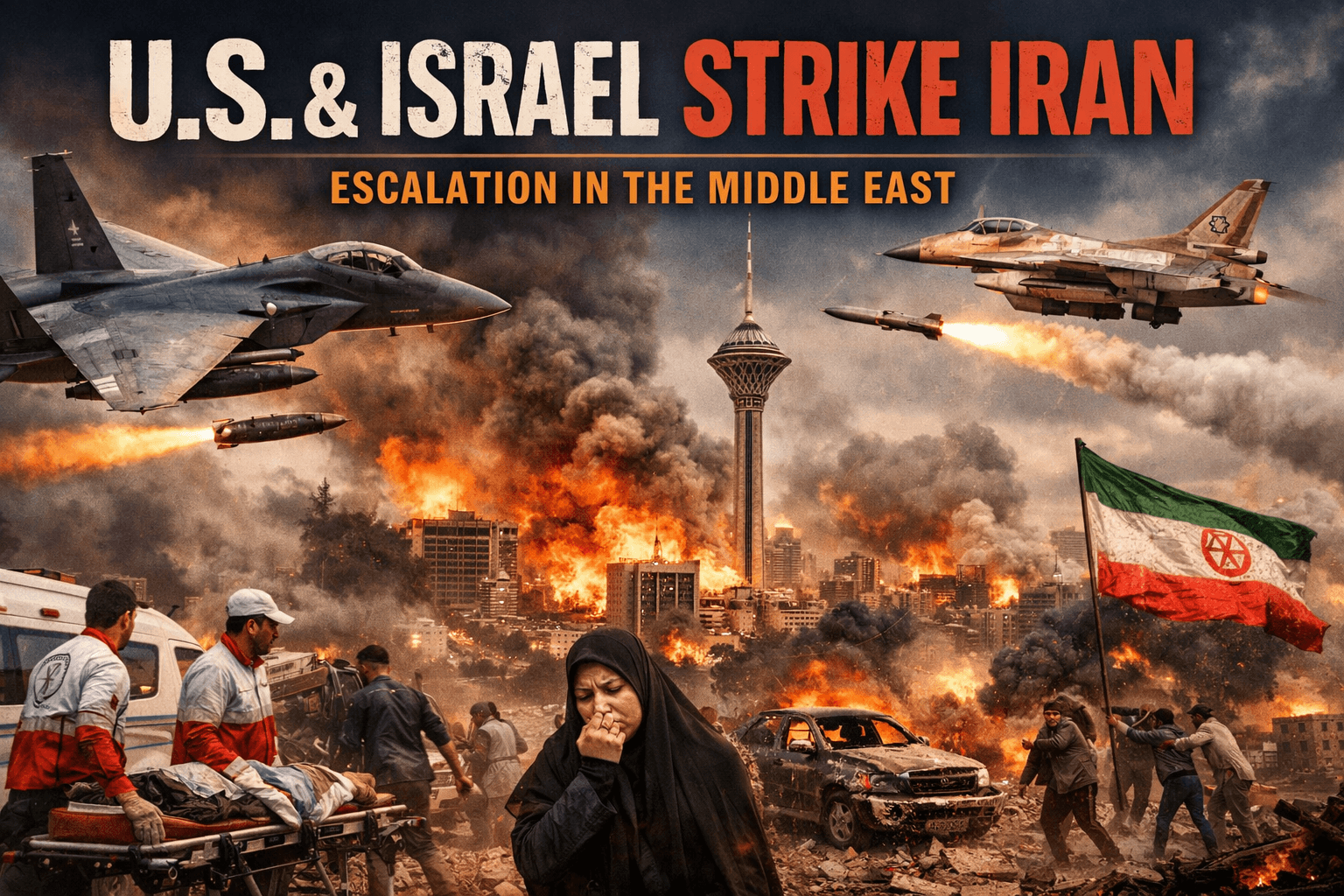
The 2026 US-Iran military conflict has directly impacted Iran's oil industry. Attacks on Kharg Island and other facilities have disrupted exports. Military operations create risks for oil infrastructure throughout Iran. The conflict has deterred even the most willing buyers from Iranian crude due to insurance and shipping risks. However, Iran's energy infrastructure is distributed and hardened from decades of conflict experience. The full impact on production and export capability will depend on the conflict's duration and intensity. Iran may seek to retaliate by threatening regional oil infrastructure and shipping.
The future of Iran's oil industry depends on how the conflict resolves. A diplomatic resolution that includes sanctions relief could potentially restore Iranian exports to pre-sanctions levels, adding significant supply to global markets. Continued conflict and sanctions would maintain constraints. Regime change scenarios could lead to either opening or further instability affecting production. Iran's vast reserves mean that under any positive scenario, the country could significantly increase production. However, years of sanctions and conflict have degraded infrastructure and deterred investment, meaning recovery would take time and massive capital.
Iran's petroleum resources have placed the country at the center of global energy geopolitics for decades. Sanctions have constrained but not eliminated Iranian oil exports, demonstrating both the leverage of major producers and the limits of economic pressure. The 2026 conflict has brought Iranian oil infrastructure under direct attack for the first time since the 1980s Iran-Iraq war. The outcome will shape not only Iran's future but also global oil markets. Iran's vast reserves ensure that whatever happens, the country will remain a significant factor in world energy for the foreseeable future.