Kharg Island Attack 2026: Oil Market Shock
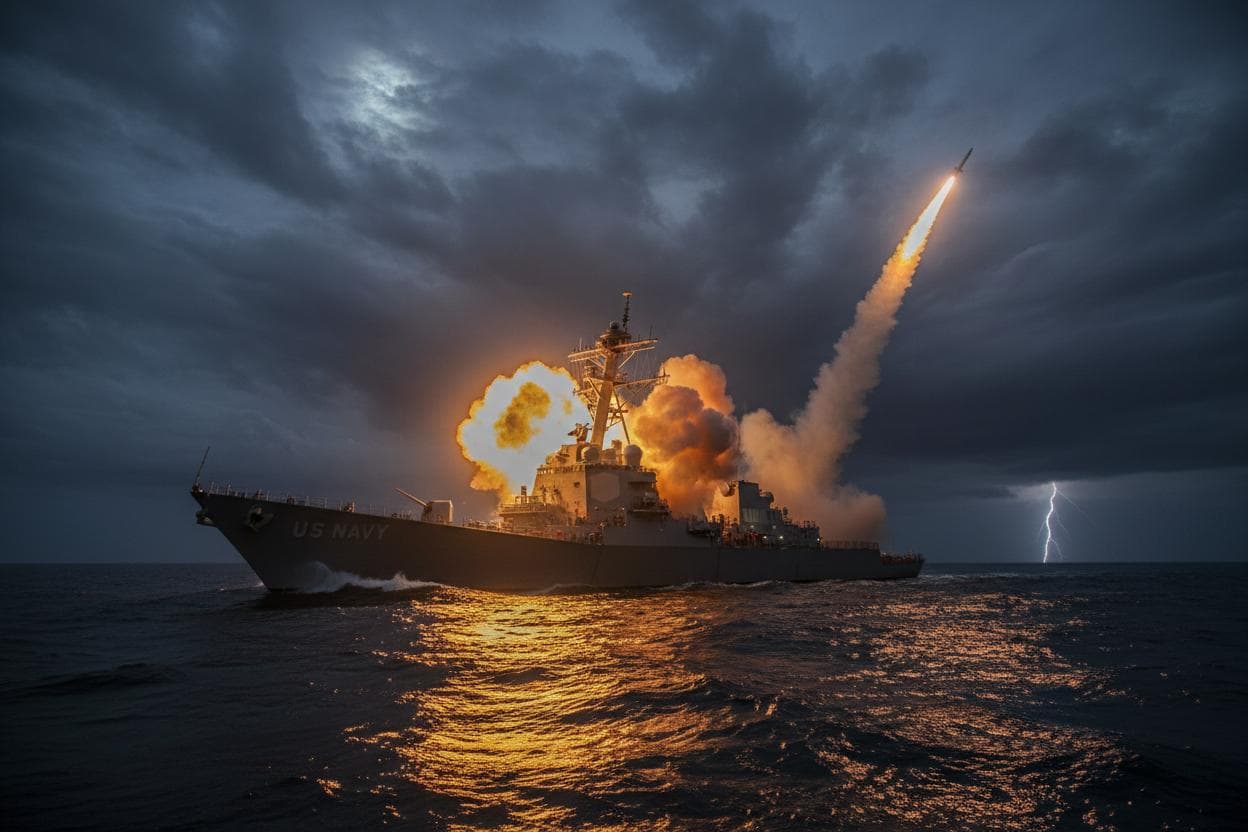
The US attack on Iran's Kharg Island has triggered one of the most significant oil market shocks in recent history. Kharg Island, Iran's primary oil export terminal, handles approximately 90% of Iran's oil exports. The attack on this strategic facility has sparked fears of global oil supply interruption, causing prices to surge dramatically. The Middle East is experiencing heightened tensions, with the critical oil shipping route through the Strait of Hormuz under threat. Oil prices have responded by spiking, and economies worldwide are feeling the impact.
Why Kharg Island Matters for Global Oil Supply
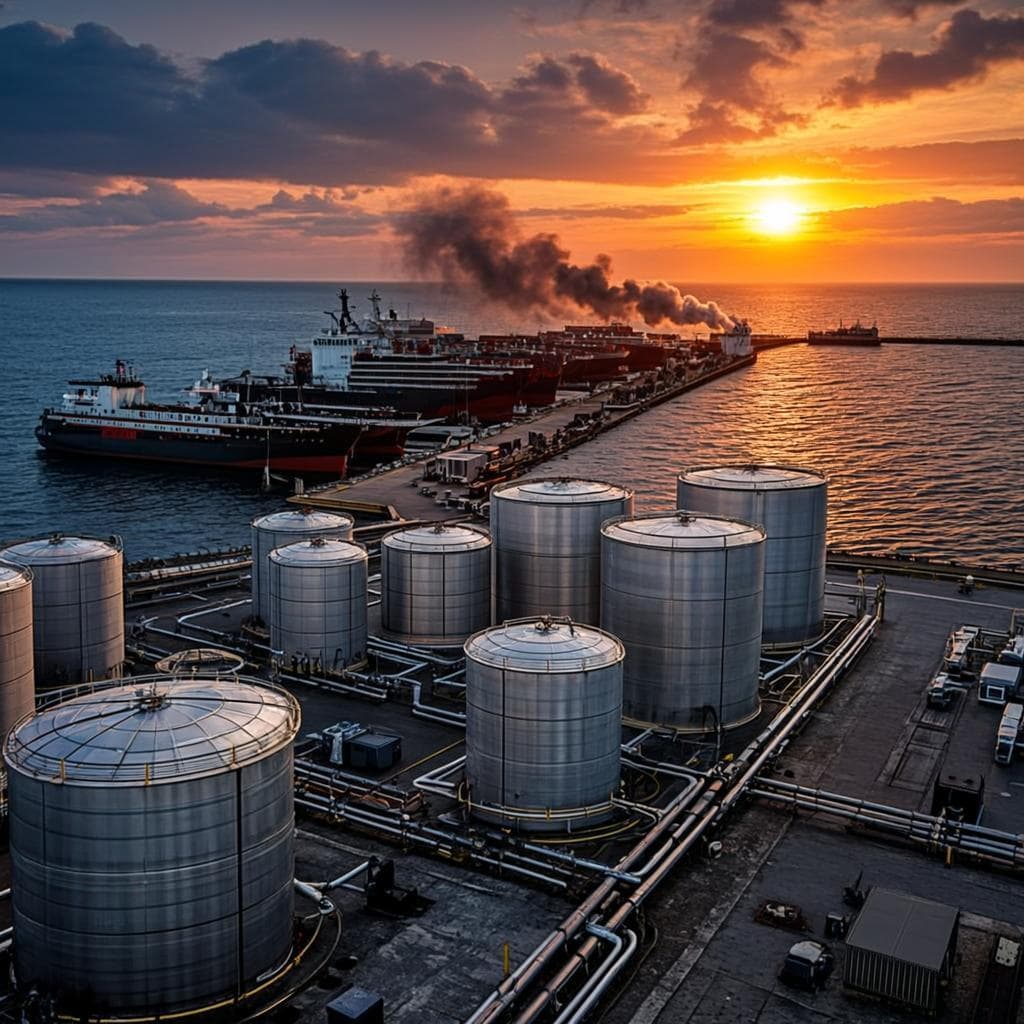
Kharg Island, located in the Persian Gulf, plays a crucial role in Iran's oil export infrastructure and global energy markets. Approximately 90% of Iran's oil exports pass through this facility, making it a strategic linchpin for regional oil supplies. The island features large oil storage facilities, export terminals capable of handling supertankers, and military installations providing security. Iran exports approximately 2-3 million barrels of oil daily, much of it flowing through Kharg Island. Any military action targeting this facility has immediate implications for global oil availability and prices.
Oil Prices Surge: Brent Crude and WTI Response
Oil markets have reacted rapidly to the Kharg Island attack. Brent crude oil and West Texas Intermediate (WTI) futures have recorded significant price increases. Brent crude futures have risen above $100 per barrel, with WTI oil futures also surging. The price increase reflects oil market sensitivity to geopolitical tensions in the Middle East, where a large portion of world oil reserves and export infrastructure is located. Energy analysts note that further escalation could push prices even higher, potentially reaching levels not seen since previous major Middle East crises.
Strait of Hormuz: World's Most Critical Oil Chokepoint
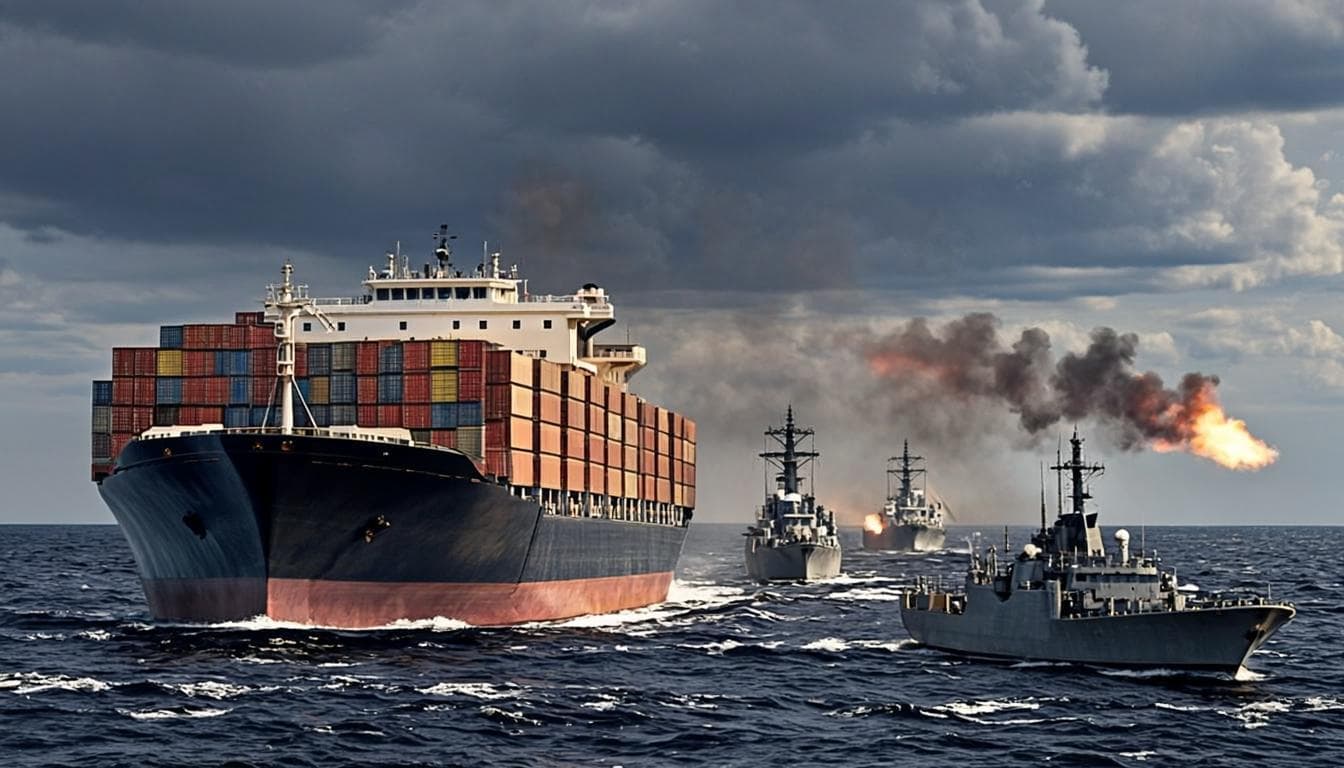
A primary concern driving rising oil prices is the possibility that the Strait of Hormuz could be closed or restricted. This waterway connecting the Persian Gulf to international shipping routes handles approximately one-fifth of global oil consumption—about 21 million barrels daily. If tensions prevent oil transport through the Strait, or if it becomes heavily restricted, global oil supplies would be severely impacted. Iran has previously threatened to close the strait in response to attacks or sanctions. The Kharg Island attack increases the likelihood of such retaliation, adding to market fears.
Global Economic Impact: Inflation, Trade, and Growth
Rising oil prices have significant ripple effects across the global economy. Higher oil and transportation costs are spreading through supply chains. Many countries are experiencing increased inflation as energy costs rise. Manufacturing and production costs are climbing, putting pressure on businesses. Global stock exchanges have shown volatility in response to energy market uncertainty. Economists warn that sustained high oil prices could slow global economic growth and raise living costs worldwide, potentially pushing some economies into recession.
Energy Security: Strategic Reserves and Alternative Routes
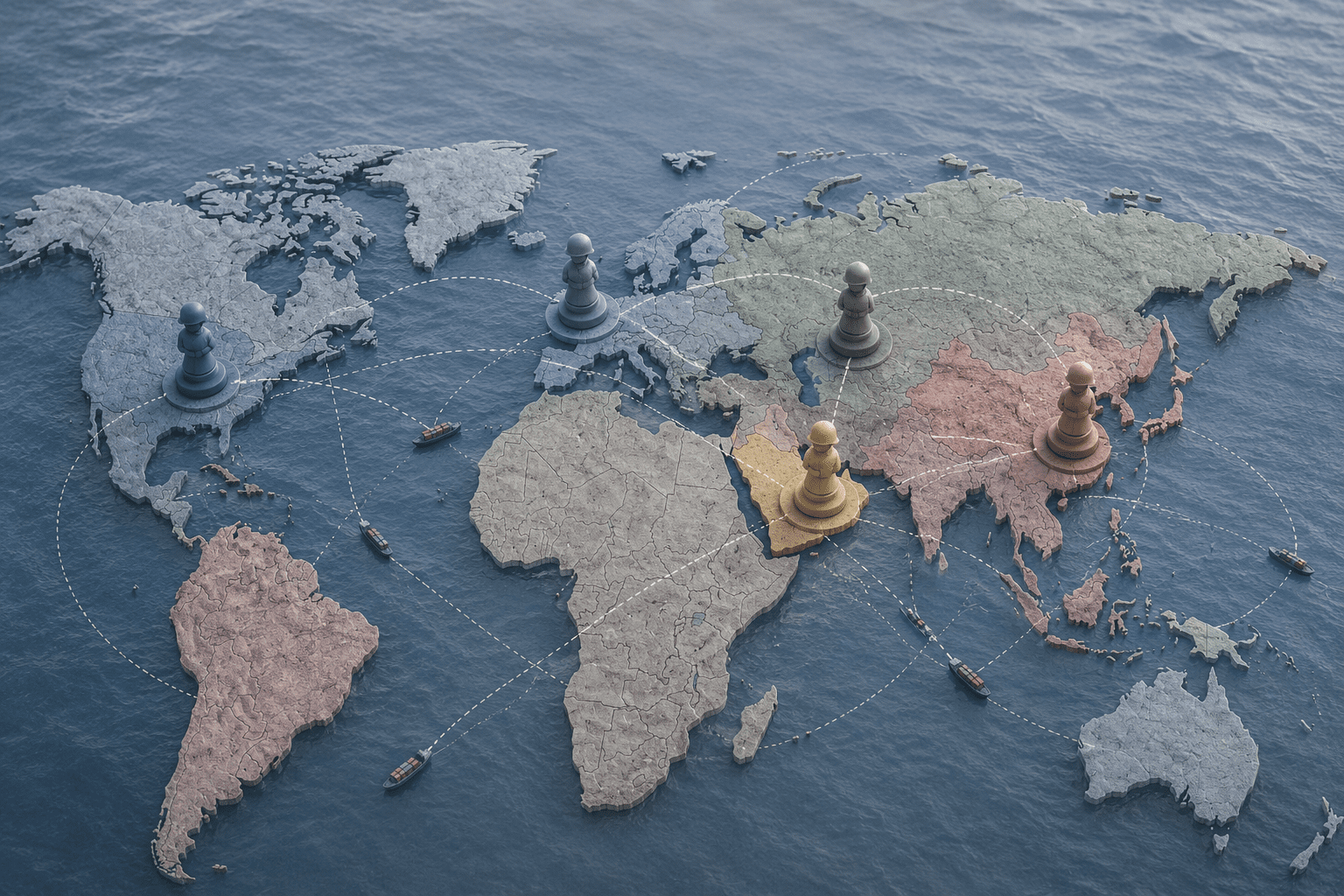
Nations are responding to the oil crisis by tapping strategic petroleum reserves. The International Energy Agency has coordinated releases from member countries' reserves to stabilize markets. Alternative oil shipping routes exist but cannot match the Strait of Hormuz's capacity—shipping around Africa's Cape of Good Hope adds approximately 10-14 days to voyages, significantly increasing costs. Countries dependent on Middle East oil are particularly vulnerable, with Asian economies including China, Japan, South Korea, and India heavily exposed.
Iran's Retaliation Options: Oil Infrastructure Targeting
Iran has multiple options for retaliation beyond the direct military response. The regime could target oil infrastructure of US allies in the region, including Saudi Arabia and UAE facilities. Iran could attempt to disrupt shipping through the Strait of Hormuz using mines, fast attack boats, or missiles. Iranian proxies across the Middle East could threaten energy infrastructure in various countries. The threat of sustained disruption to global oil supplies remains high, keeping markets on edge.
What's Next for Oil Markets?
The future direction of oil prices depends on several key factors: whether military conflict escalates or de-escalates; the status of shipping through the Strait of Hormuz; diplomatic efforts by various world powers; releases from strategic oil reserves; and global demand patterns. If tensions continue to rise, oil prices could surge even higher. Alternatively, successful diplomatic intervention or rapid de-escalation could stabilize markets. Energy companies, governments, and investors worldwide are watching developments closely.
Conclusion: Energy Markets in the Age of Geopolitical Crisis
The Kharg Island attack has highlighted the vulnerability of global energy markets to geopolitical events. A single military strike on one oil terminal has caused worldwide price shocks and raised fears of broader supply disruption. The interconnection between Middle East security and global energy security has never been more apparent. As the situation evolves, governments, investors, and oil companies worldwide are waiting to see what happens, recognizing that events in the Persian Gulf will affect oil markets and the global economy for the foreseeable future.