Saudi Arabia Oil Prices 2026: Kingdom's Energy Dominance
Saudi Arabia remains the world's largest oil exporter and the most influential player in global energy markets. As the de facto leader of OPEC and a key member of OPEC+, the Kingdom's decisions on production levels directly impact oil prices worldwide. In 2026, amid the US-Iran conflict and regional tensions, Saudi Arabia faces the challenge of balancing its alliance with the United States against its regional interests and economic dependence on oil revenues. The Kingdom's oil pricing strategy has become even more critical as energy security concerns dominate global headlines.
Saudi Aramco: World's Most Valuable Oil Company
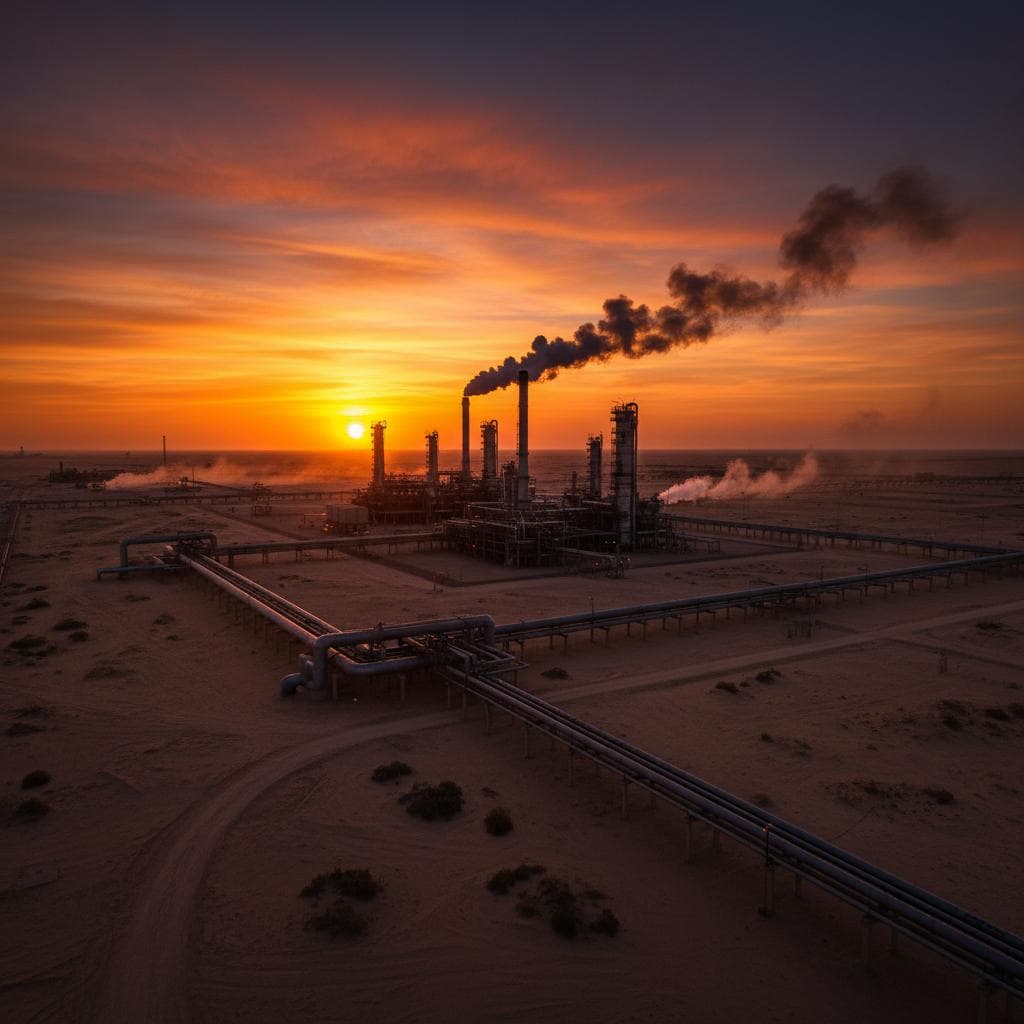
Saudi Aramco, the Kingdom's national oil company, is the world's largest oil producer and one of the most profitable companies globally. With proven reserves of approximately 267 billion barrels and production capacity of 12 million barrels per day, Aramco represents Saudi Arabia's economic foundation. The company went public in 2019 with the world's largest IPO, though the Saudi government retains majority ownership. Aramco's operations span exploration, production, refining, and distribution, making it a fully integrated energy giant. In 2026, Aramco has maintained production levels while navigating the challenges posed by regional conflict and volatile markets.
Current Saudi Oil Prices and Production Levels
As of March 2026, Saudi Arabia maintains crude oil production of approximately 9-10 million barrels per day, with prices for Arab Light crude trading above $85 per barrel. The Kingdom adjusts pricing monthly for different regional markets—Asia, Europe, and the Americas—based on market conditions and competitive dynamics. Saudi official selling prices (OSPs) serve as benchmarks for Middle East crude globally. The Kingdom has utilized spare production capacity strategically, sometimes increasing output to stabilize markets during crises and other times reducing production to support prices.
OPEC+ and Saudi Arabia's Production Strategy
Saudi Arabia leads the OPEC+ alliance, which includes OPEC members plus Russia and other non-OPEC producers. This expanded coalition controls approximately 40% of global oil supply, giving it significant influence over prices. The Kingdom has used OPEC+ coordination to manage production levels, implementing both cuts to support prices and increases to prevent excessive price spikes. In 2026, OPEC+ decisions have been complicated by sanctions on Iran and Russia, creating gaps in global supply that Saudi Arabia must navigate carefully. The Kingdom's relationship with Russia within OPEC+ has proven durable despite geopolitical tensions between Russia and the West.
Impact of US-Iran Conflict on Saudi Oil Policy
The US-Iran conflict directly affects Saudi Arabia's oil strategy. As a US ally and regional rival of Iran, Saudi Arabia faces complex choices. Iranian attacks on oil infrastructure—such as the 2019 strikes on Saudi Aramco facilities demonstrated—pose ongoing threats. The Kingdom must balance supporting US policy against Iran while avoiding actions that might provoke direct retaliation against its oil facilities. Saudi Arabia has increased security around critical infrastructure and coordinated with US military forces for protection. Simultaneously, the Kingdom seeks to maintain neutrality enough to avoid being drawn into direct conflict.
Saudi Vision 2030: Diversification Beyond Oil
Under Crown Prince Mohammed bin Salman, Saudi Arabia has launched Vision 2030, an ambitious plan to reduce the Kingdom's dependence on oil revenues. The initiative includes developing non-oil industries, promoting tourism, and investing in technology and entertainment. The Public Investment Fund (PIF), Saudi Arabia's sovereign wealth fund, has made major investments globally in sectors from electric vehicles to gaming. However, oil revenues remain essential to fund this transformation, creating a paradox: Saudi Arabia must maximize current oil income while planning for a future less dependent on petroleum. The success of Vision 2030 will determine the Kingdom's economic trajectory for generations.
Saudi Arabia's Oil Export Destinations
Saudi Arabia exports oil to destinations worldwide, with Asia being the largest market. China is the Kingdom's biggest single customer, importing over 1.7 million barrels per day of Saudi crude. Japan, South Korea, and India are also major importers. The United States, once a significant Saudi customer, has reduced imports as domestic shale production increased, though the US-Saudi energy relationship remains strategically important. European nations import Saudi crude as well, particularly as sanctions have reduced Russian oil availability. The Kingdom has invested in refineries and petrochemical facilities in key markets, including China and India, creating integrated supply chains that lock in customer relationships.
Strategic Oil Reserves and Energy Security
Saudi Arabia maintains strategic petroleum reserves and significant spare production capacity—estimated at 2-3 million barrels per day above current production levels. This capacity provides global energy security, as Saudi Arabia can increase output during supply disruptions. The Kingdom has used this capability multiple times, including during the 2011 Libyan civil war and the 2022 Russia-Ukraine conflict. However, maintaining spare capacity is expensive, and there are limits to how long the Kingdom can sustain maximum production. The strategic decision of when to deploy spare capacity is one of Saudi Arabia's most powerful tools in global energy diplomacy.
Environmental Concerns and Saudi Oil Production
Saudi Arabia faces increasing pressure regarding climate change and the future of fossil fuels. The Kingdom has committed to net-zero emissions by 2060 and has launched initiatives including the Saudi Green Initiative and participation in the Middle East Green Initiative. Saudi Aramco is investing in carbon capture technology, hydrogen production, and renewable energy. However, critics argue that Saudi Arabia's continued investment in oil production capacity contradicts climate commitments. The Kingdom argues that oil will remain essential for decades and that it produces the world's lowest-carbon crude, making continued production environmentally responsible even as the world transitions.
Conclusion: Saudi Arabia's Enduring Oil Influence
Despite global energy transition efforts, Saudi Arabia remains the dominant force in world oil markets. The Kingdom's vast reserves, spare production capacity, and leadership of OPEC+ ensure that Saudi decisions will continue to shape global energy economics for the foreseeable future. The 2026 Middle East crisis has demonstrated both the vulnerability of oil infrastructure to regional conflict and the Kingdom's importance in maintaining market stability. For Saudi Arabia, the challenge is navigating immediate geopolitical dangers while pursuing long-term economic diversification—a balancing act with implications for the entire global economy.