Iran Nuclear Program 2026: Weapons Danger, JCPOA Collapse & Military Strikes
2026-03-25
Iran nuclear program 2026: Complete analysis of uranium enrichment to 60%, JCPOA collapse, nuclear breakout capability, IAEA monitoring, Natanz and Fordow facilities, and international response.
Iran's nuclear program stands at the center of the current Middle East crisis, representing one of the most contentious issues in international relations. With uranium enrichment levels reaching 60% purity—approaching weapons-grade material—and diplomatic efforts in collapse, the program has become a primary driver of regional tensions and military confrontation.
Iran's nuclear ambitions date to the 1950s under the US-backed Atoms for Peace program. The 1979 Islamic Revolution initially slowed development, but the program resumed during the Iran-Iraq War. Secret nuclear activities were revealed in 2002, including undeclared facilities at Natanz and Arak. International sanctions followed, leading to years of negotiations.
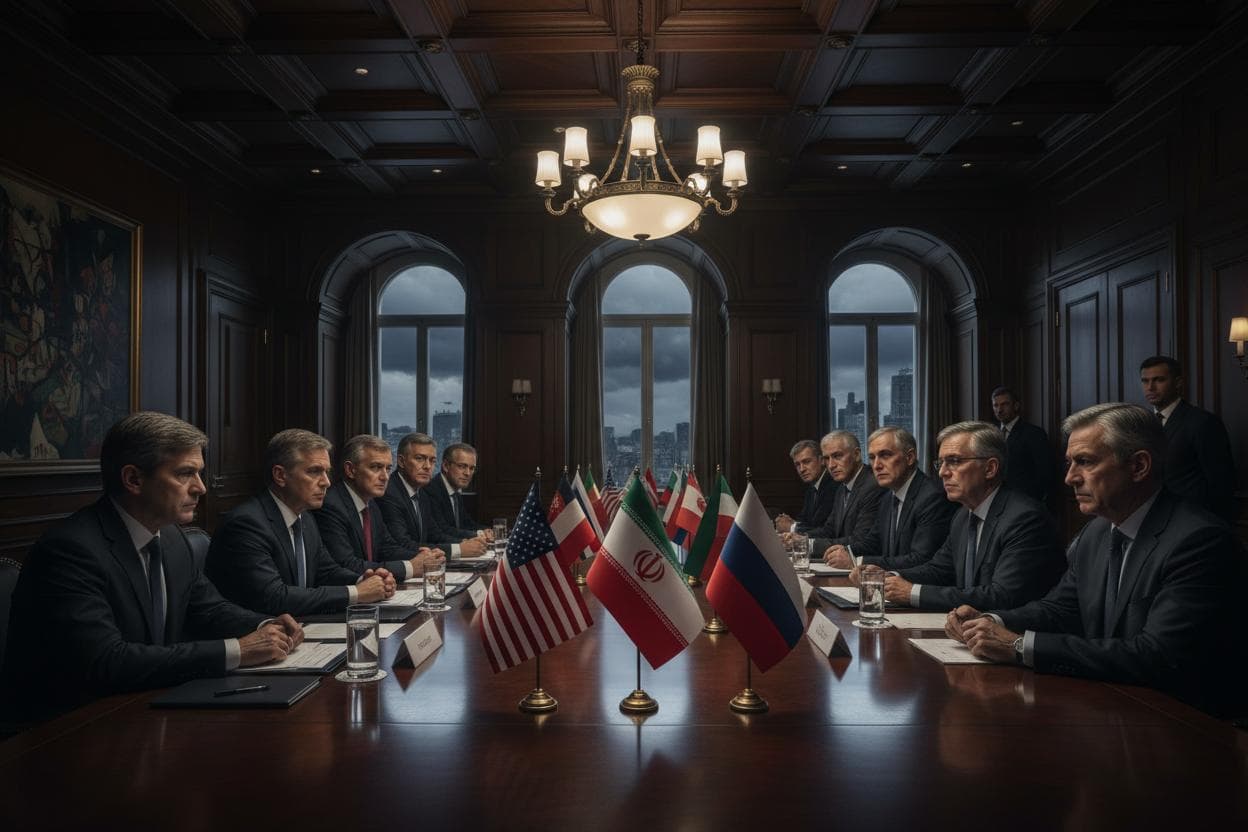
The 2015 Joint Comprehensive Plan of Action (JCPOA) represented a diplomatic breakthrough. Iran agreed to limit uranium enrichment to 3.67% and reduce its stockpile in exchange for sanctions relief. For several years, the agreement successfully constrained Iran's nuclear activities. However, the US withdrawal in 2018 and subsequent sanctions prompted Iran to gradually exceed all JCPOA limits.
The international community's primary concern is Iran's "breakout capability"—the ability to produce enough weapons-grade uranium for a nuclear weapon in a short timeframe. With current enrichment levels and stockpiles, experts estimate Iran could produce sufficient weapons-grade material within weeks. Additionally, Iran's ballistic missile program provides potential delivery systems for nuclear weapons.
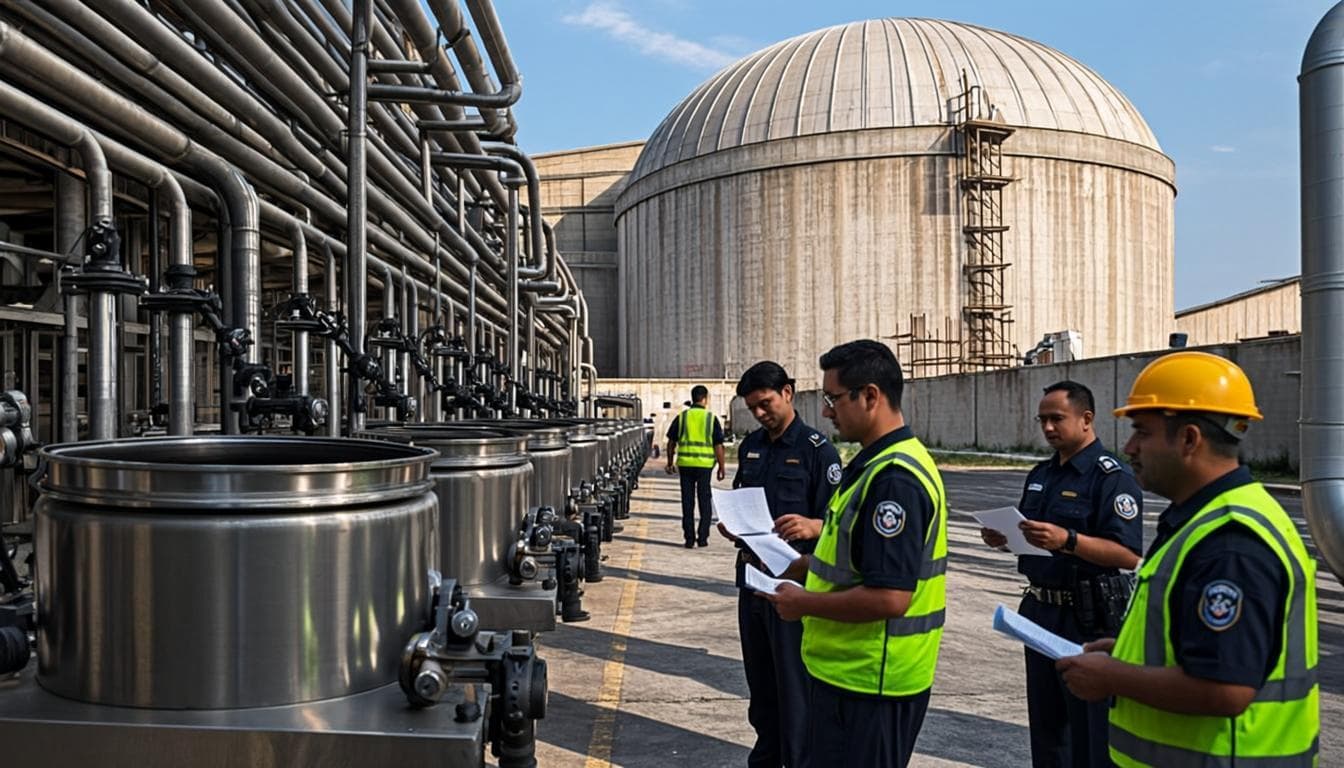
The International Atomic Energy Agency (IAEA) has faced increasing restrictions in monitoring Iran's nuclear activities. Iran has reduced inspector access, disabled surveillance cameras at key facilities, and ceased voluntary implementation of the Additional Protocol. The IAEA has expressed concerns about undeclared nuclear materials and activities.
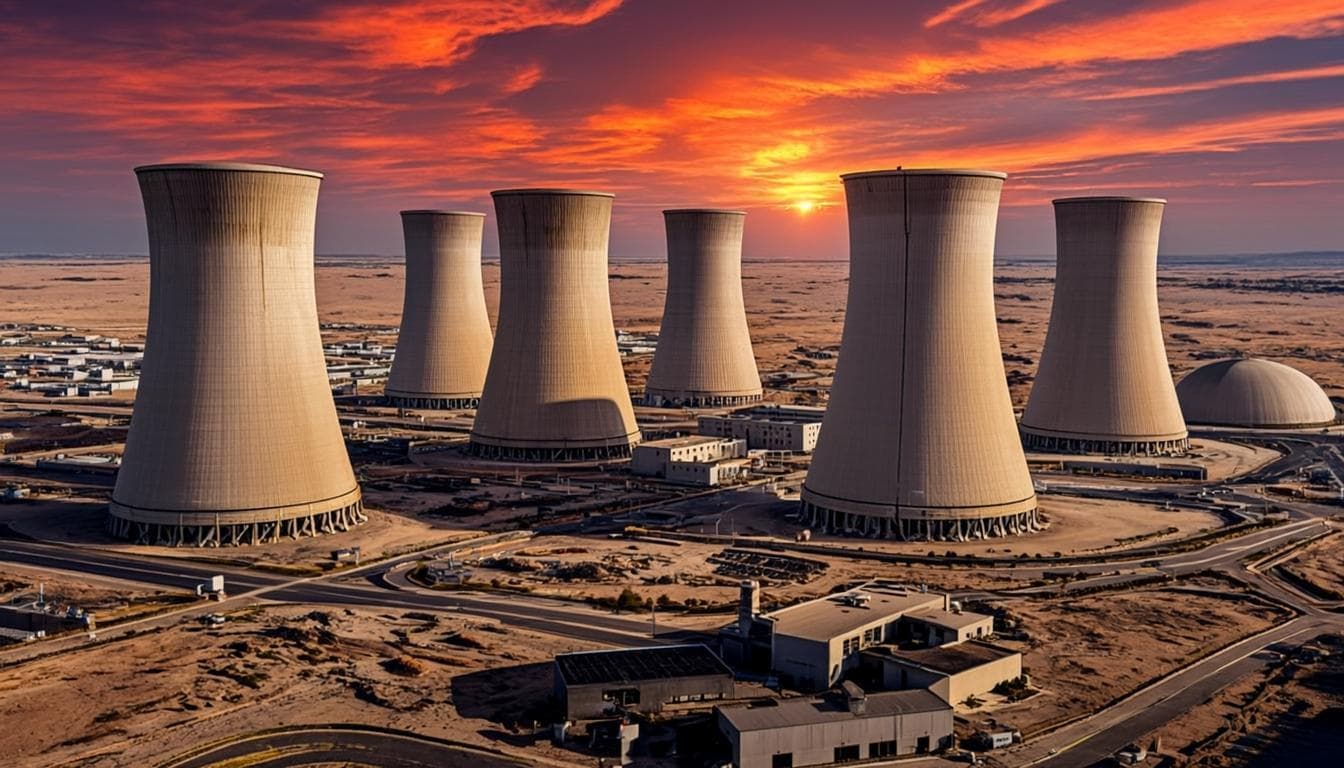
Operation Epic Fury specifically targeted Iran's nuclear infrastructure, with strikes on Natanz, Fordow, and other facilities. The extent of damage to Iran's nuclear program remains unclear. Iran has vowed to rebuild and potentially accelerate its nuclear activities, raising concerns that military action may ultimately accelerate rather than prevent nuclear weapons development.