US-Iran War April 2026: UN Deadlock, Sanctions Debates, and a Split Among Major Powers
2026-04-12
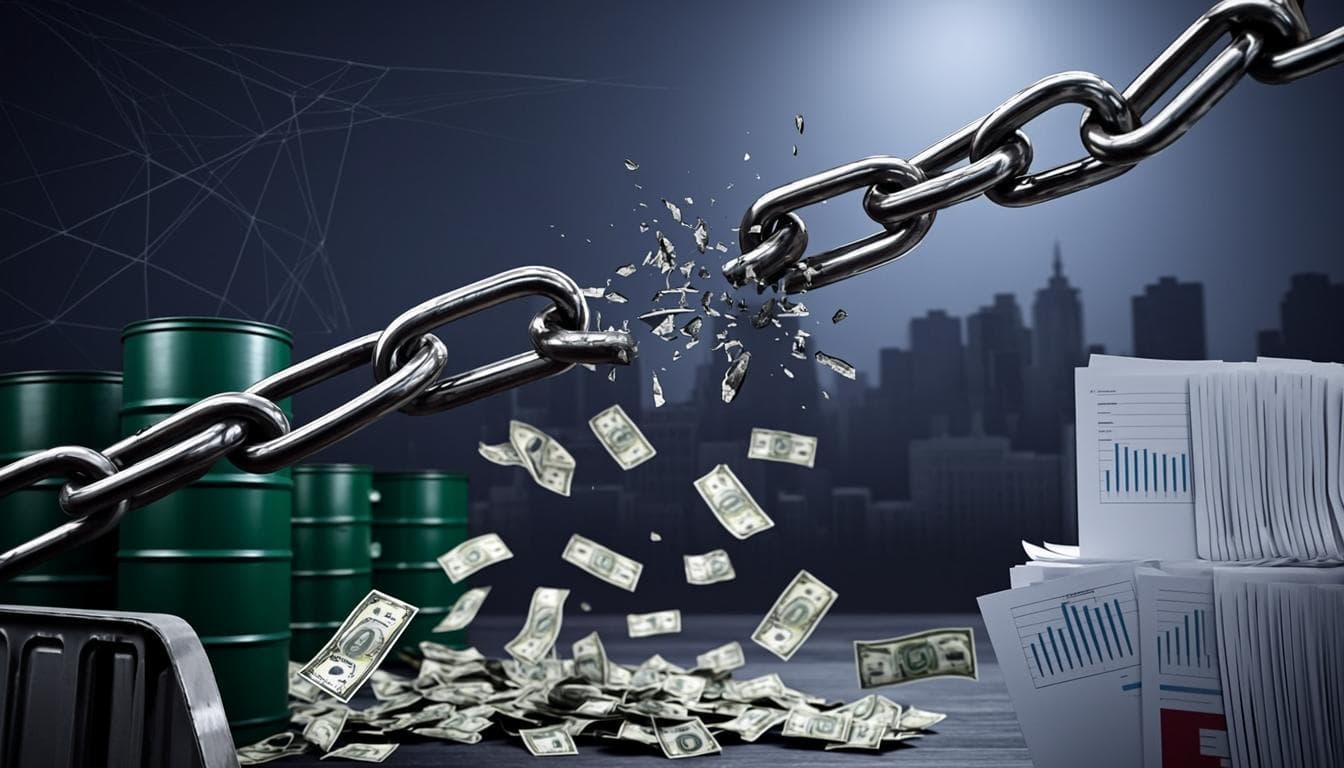
US sanctions on Iran 2026: Maximum pressure campaign, oil export restrictions, banking sanctions, humanitarian impact on Iranian civilians, global energy market effects, and Iran's sanctions evasion strategies.
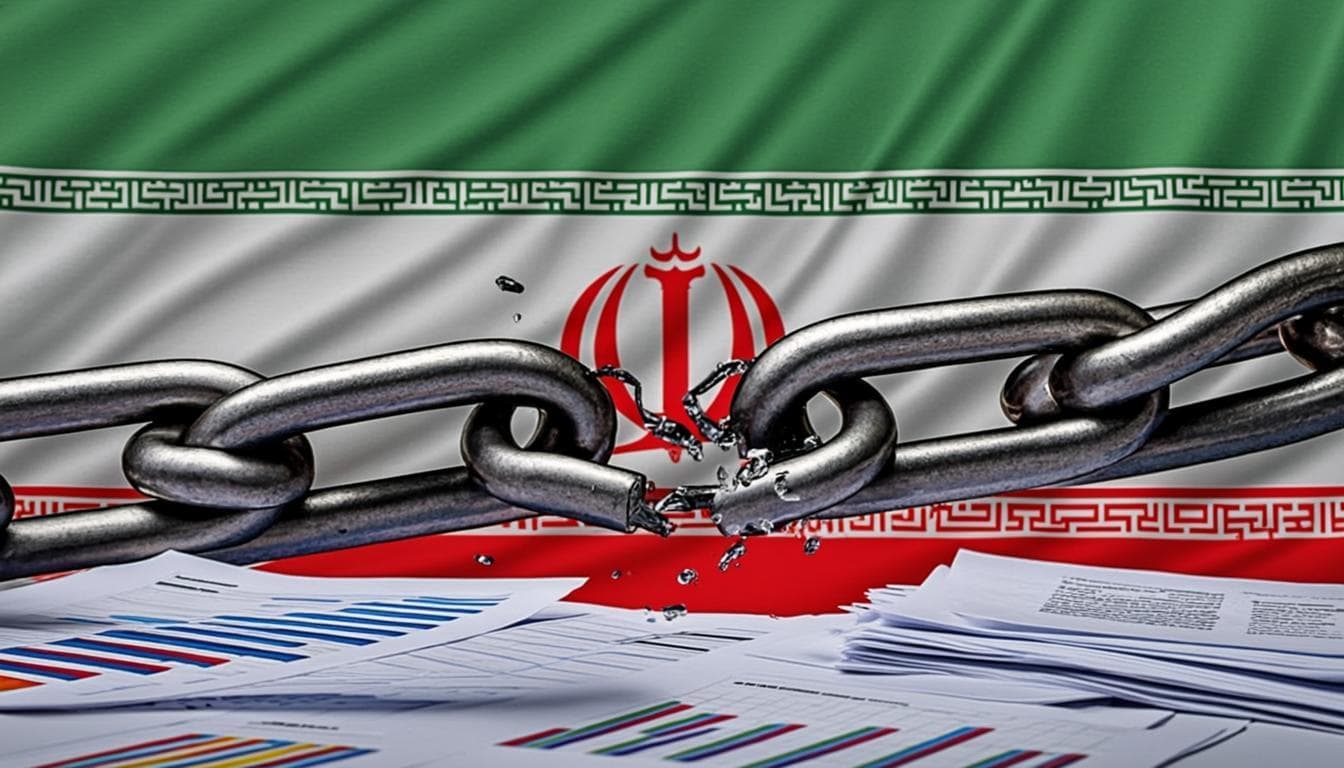
US sanctions on Iran constitute one of the most extensive economic pressure campaigns ever deployed against a nation. Following the restoration of "maximum pressure" policies in 2026, sanctions have intensified, targeting Iran's oil exports, banking sector, shipping industry, and individual officials. The humanitarian and economic impact on Iran has been severe, while global energy markets have experienced significant volatility.
The restoration of maximum pressure policies in February 2026 dramatically intensified economic strain on Iran. Oil exports, historically accounting for 80% of government revenue, have been severely restricted. Secondary sanctions have forced countries including China and India to reduce Iranian oil purchases or risk US penalties. The Iranian rial has lost significant value, contributing to high inflation and reduced living standards.
While sanctions technically exempt humanitarian goods including food and medicine, practical difficulties have created shortages. Banks and shipping companies avoid transactions involving Iran even for exempt items due to compliance concerns. Medical equipment shortages, delayed treatments, and reduced access to essential medicines have been documented. Critics argue sanctions constitute collective punishment of civilians.
Sanctions on Iranian oil exports have contributed to global supply concerns and price volatility. With Iran historically producing 3-4 million barrels daily, removal of this supply from markets affects global prices. The 2026 escalation has added to supply concerns, with oil prices rising over 15% following military action and threats to Strait of Hormuz shipping.
Iran has developed sophisticated methods to circumvent sanctions:
The effectiveness of sanctions remains contested. Supporters argue economic pressure brought Iran to negotiations in 2015 and remains essential for changing Iranian behavior. Critics contend sanctions have not achieved core objectives—Iran continues its nuclear program, supports proxy groups, and represses domestic dissent. Some argue sanctions strengthen hardliners by creating external enemies to blame for economic problems.