U.S.-Iran Peace Talks Stall as Israel-Hezbollah Conflict Complicates the Picture
2026-07-01
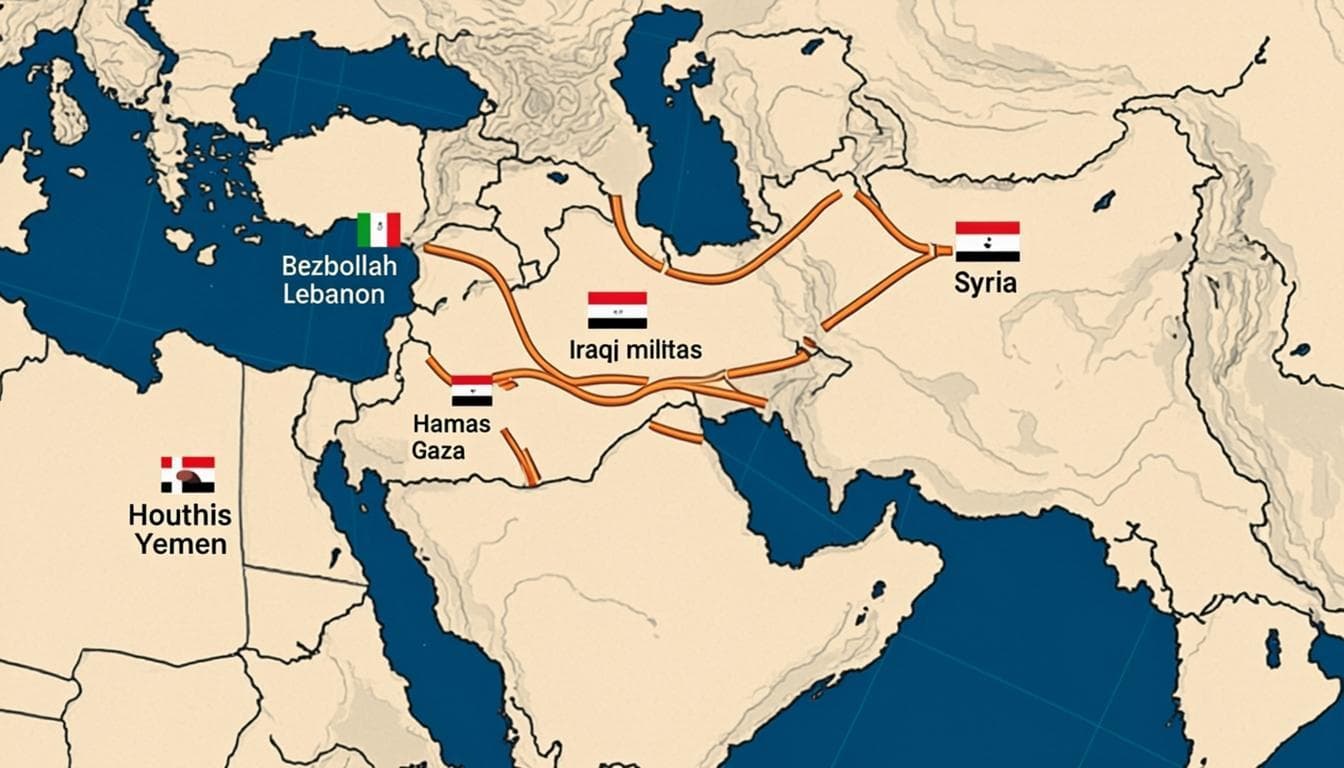
Iran proxy networks 2026: Complete analysis of Iran's Axis of Resistance including Hezbollah Lebanon, Hamas Gaza, Houthi Yemen, Iraqi militias, and their role in attacking Israel and US interests across Middle East.
Iran has built one of the most extensive and sophisticated proxy networks in modern history, creating what Tehran calls the "Axis of Resistance." This network of allied groups across the Middle East allows Iran to project power far beyond its borders, threaten enemies from multiple directions, and maintain plausible deniability for attacks. Understanding these proxy networks is essential for understanding the current Middle East conflict.
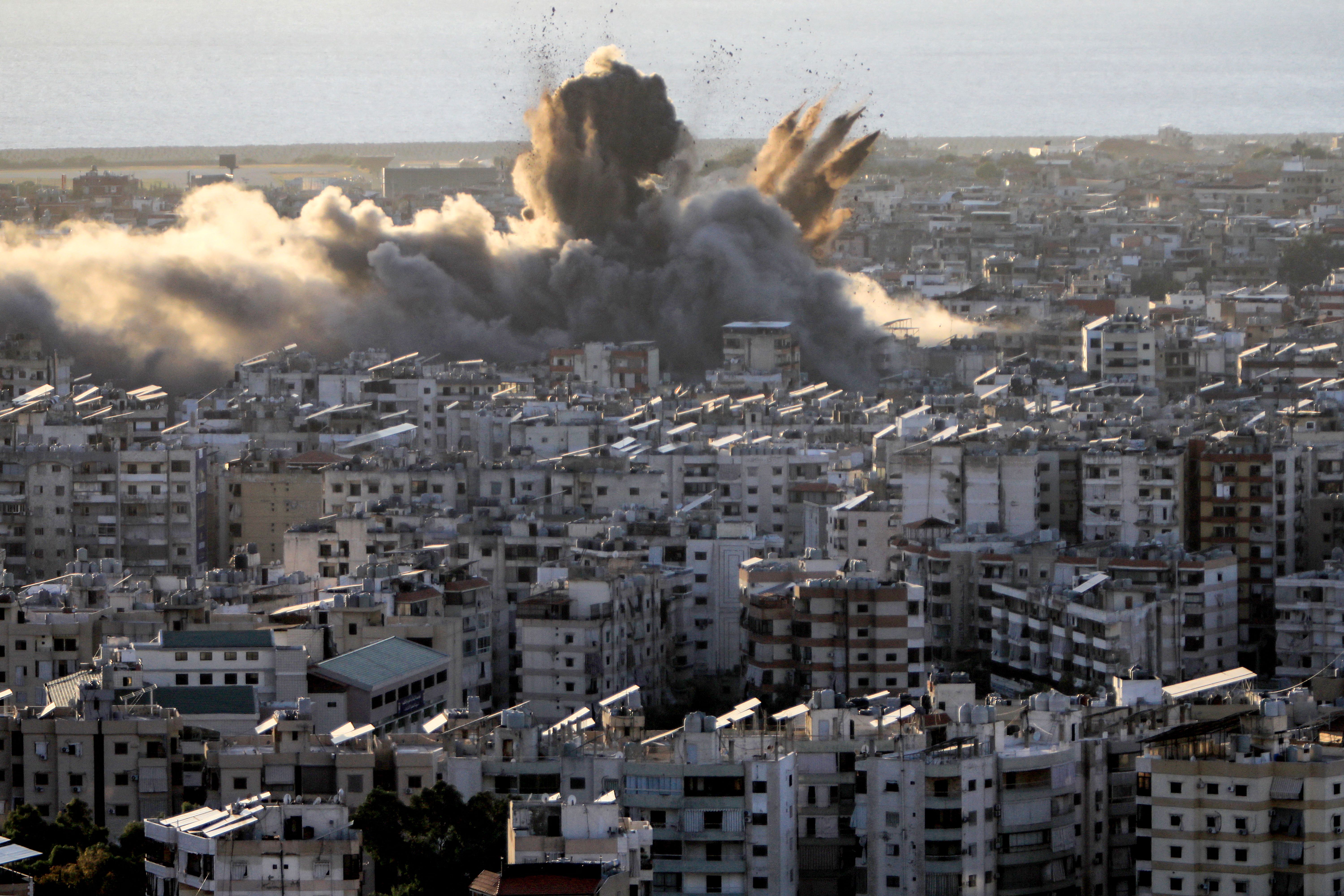
Hezbollah in Lebanon represents Iran's most capable proxy force. Founded in 1982 with Iranian support, Hezbollah has evolved into a "state within a state" with an estimated 150,000 missiles pointed at Israel. Iran provides $700 million to $1 billion annually in funding, plus advanced weapons and training. Hezbollah fighters gained combat experience in Syria's civil war. In the current conflict, Hezbollah has opened a critical second front against Israel, launching thousands of rockets and engaging in ground combat.
Iran has been a major supporter of Hamas in Gaza, providing funding, weapons, and training. The October 7, 2023 Hamas attack on Israel demonstrated capabilities Iran helped build. Palestinian Islamic Jihad maintains even closer ties to Iran. While Hamas has some independence from Iran—relations were strained during the Syrian civil war—the alliance has strengthened in recent years. Iran views Palestinian groups as key components of its anti-Israel strategy.
The Houthis have emerged as a significant Iranian proxy, particularly through their attacks on Red Sea shipping. Iranian-supplied missiles and drones have enabled attacks on commercial vessels and Saudi territory. The Houthis' disruption of global trade through the Bab al-Mandab strait demonstrates how a relatively weak proxy can impose significant costs on the global economy. Their attacks continue into 2026 as part of Iran's multi-front pressure campaign.
Iran has cultivated extensive influence among Iraqi Shiite groups, building militias that operate as part of the Popular Mobilization Forces while maintaining loyalty to Iran. Groups including Kataib Hezbollah and Asaib Ahl al-Haq have attacked US forces in Iraq multiple times. Iran's influence in neighboring Iraq gives it leverage over a country hosting US troops and major oil production.
Iran's reliance on proxies serves multiple strategic purposes:
The Islamic Revolutionary Guard Corps (IRGC) Quds Force coordinates Iran's proxy network. The unit, formerly led by Qasem Soleimani until his 2020 assassination by US forces, manages weapons transfers, training, operational planning, and financial support to proxy groups across the region.
The 2026 escalation has demonstrated both the strengths and limits of Iran's proxy strategy. Hezbollah has opened a major front against Israel. Hamas, though damaged, continues resistance. Houthis have disrupted global shipping. Iraqi militias threaten US forces. However, the shift to direct confrontation between Iran and the US/Israel has exposed Iran itself to attack in ways that proxy warfare was designed to avoid.