ISRAEL-IRAN WAR

Iran Proxy Network 2026: Axis of Resistance - Hezbollah, Hamas, Houthis, Iraqi Militias

Iran proxy network 2026: Complete analysis of Iran's Axis of Resistance including Hezbollah's 150,000 missiles, Hamas funding, Houthi capabilities, Iraqi militias, Syrian presence, and how proxy warfare threatens Israel and US interests.
Iran Proxy Network 2026: Axis of Resistance - Hezbollah, Hamas, Houthis, Iraqi Militias

Iran Proxy Network 2026: Axis of Resistance Strategy Explained

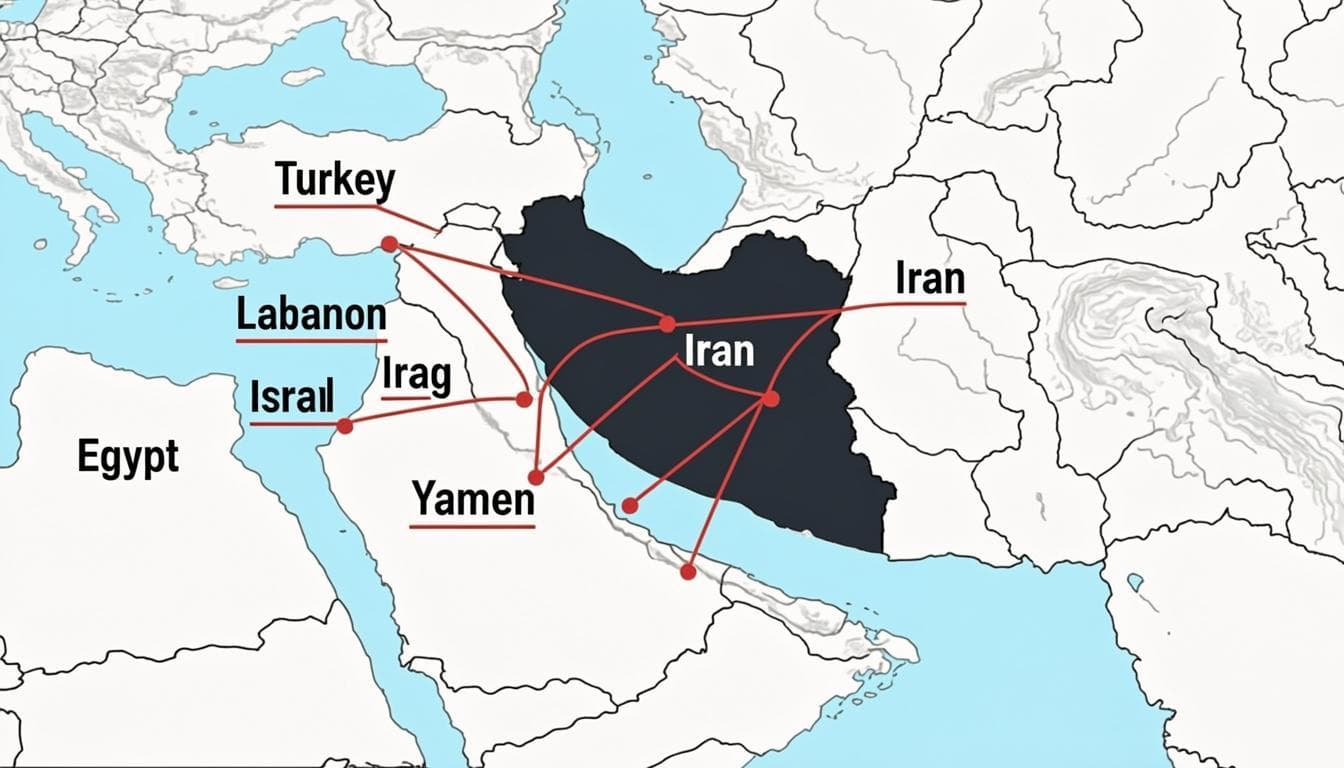
Iran's network of proxy forces across the Middle East represents one of the most sophisticated and extensive asymmetric warfare strategies in modern history. Through what Tehran calls the 'Axis of Resistance,' Iran projects power far beyond its borders, threatens its enemies from multiple directions, and maintains plausible deniability for attacks carried out by its proxies. This network has fundamentally reshaped the Middle East security landscape and is a central factor in the current crisis. Understanding Iran's proxy strategy is essential to understanding the broader Iran-US-Israel confrontation.

Why Iran Uses Proxies: Strategic Logic of Asymmetric Warfare

Iran's reliance on proxy forces is rooted in its strategic position and vulnerabilities. Following the 1979 revolution, Iran faced a hostile international environment and powerful enemies with superior conventional military forces. Building proxy networks allowed Iran to project power at relatively low cost and with reduced risk of direct retaliation. Proxies provide strategic depth, attacking Iran's enemies from multiple directions. They offer plausible deniability, making it harder to attribute attacks directly to Iran. They create leverage in negotiations and regional politics. And they allow Iran to maintain pressure on enemies without the risks of direct state-on-state conflict. This strategy has proven remarkably effective, though the 2024-2026 escalation has tested its limits.

Hezbollah: Iran's Most Powerful Proxy with 150,000 Missiles

Hezbollah in Lebanon is the most powerful and sophisticated of Iran's proxy forces. Founded in 1982 with Iranian support, Hezbollah has evolved from a militia into a 'state within a state' with an estimated 150,000 missiles, a political party with cabinet ministers, and extensive social services. Iran provides an estimated $700 million to $1 billion annually to Hezbollah, along with advanced weapons and training. Hezbollah fighters are battle-hardened from years of combat in Syria supporting the Assad regime. The organization's massive missile arsenal is designed to overwhelm Israeli air defenses and serve as deterrent against attacks on Iran. In the current conflict, Hezbollah has opened a critical second front against Israel, tying down Israeli forces and demonstrating the value of Iran's proxy strategy.

Hamas and Palestinian Islamic Jihad: Iran's Gaza Proxies

Iran's support for Palestinian militant groups represents another dimension of its proxy network. Hamas, which governs Gaza, receives Iranian funding, weapons, and training, despite periodic tensions over the Syrian civil war. Palestinian Islamic Jihad is even more closely aligned with Iran. The October 7, 2023 Hamas attack on Israel demonstrated the capabilities Iran has helped build in Gaza. Hamas's rockets, drones, and tunnel networks have all benefited from Iranian support. While Hamas maintains some independence from Iran, the alliance serves both parties: Hamas gains resources and legitimacy, while Iran gains a forward position against Israel and ability to influence the Palestinian cause.

Houthi Rebels in Yemen: Iran's Red Sea Proxy

The Houthi movement in Yemen is a more recent addition to Iran's proxy network but has proven highly effective. Iranian support has enabled the Houthis to survive a Saudi-led military intervention and develop capabilities including ballistic missiles and drones. The Houthis have used these weapons to attack Saudi territory and, more recently, to disrupt global shipping through the Red Sea. While Iran's control over the Houthis is less direct than over Hezbollah, the relationship serves Iranian strategic interests by threatening Saudi Arabia's southern flank and providing leverage in the confrontation with the United States and its allies.

Shiite Militias in Iraq: Iran's Influence on US Neighbor

Iran has cultivated extensive influence among Iraq's Shiite majority, building a network of militias that operate as part of the Popular Mobilization Forces (PMF) while maintaining loyalty to Iran. These groups, including Kataib Hezbollah and Asaib Ahl al-Haq, have attacked US forces in Iraq and pose a threat to American personnel and interests. Iran's influence in Iraq gives it leverage over a neighbor that hosts US troops and is a major oil producer. The Iraqi government's dependence on Iran-aligned political parties complicates its relationship with the United States and its ability to control these militia groups.

Iranian Forces and Proxies in Syria: Land Bridge to Lebanon

Iran has invested heavily in propping up the Assad regime in Syria, deploying both Iranian personnel and proxy fighters to support the government. Iranian-backed militias, including Hezbollah and Iraqi groups, have been crucial to Assad's survival. Iran has sought to establish a permanent military presence in Syria, including bases near the Israeli border, prompting Israeli airstrikes. Syria serves as a crucial land bridge between Iran and its proxies in Lebanon, allowing transfer of weapons and personnel. The Syrian civil war has demonstrated both the capabilities and limitations of Iran's proxy strategy, with significant costs in blood and treasure.

IRGC Quds Force: How Iran Coordinates Proxy Operations

Iran's proxy network is not a monolith but a diverse collection of groups with varying degrees of loyalty and independence. The Islamic Revolutionary Guard Corps (IRGC) Quds Force, formerly led by Qasem Soleimani until his assassination in 2020, coordinates Iran's proxy operations. Regular meetings, shared training facilities, and weapons transfers help maintain the network. However, each proxy has its own interests and constituencies. Hamas has at times defied Iranian wishes, and the Houthis operate with considerable autonomy. Iran's ability to control its proxies is not absolute, but the relationship provides significant influence and strategic options.

Iran Proxy Network in 2026 Conflict: Strengths and Vulnerabilities

The 2026 escalation has demonstrated both the strengths and vulnerabilities of Iran's proxy network. Hezbollah has opened a major front against Israel, forcing Israel to divide its military focus. Hamas, though severely damaged by the Gaza war, continues to resist. The Houthis have disrupted global shipping, imposing economic costs on Iran's enemies. Iraqi militias have threatened US forces. However, the shift from proxy war to direct confrontation has exposed Iran itself to attack. Israeli and US strikes have targeted Iranian territory directly, breaking the old rules that kept the conflict contained. Iran's proxy network remains a formidable asset, but the calculus of asymmetric warfare is changing.

Conclusion: Iran's Proxy Network and Middle East Security

Iran's proxy network has been one of the most successful asymmetric warfare strategies of the modern era, allowing a relatively weak state to project power and challenge far stronger adversaries. Hezbollah, Hamas, the Houthis, and other proxies have given Iran leverage across the Middle East and made it a central player in regional security. However, the 2026 escalation has transformed the conflict from proxy warfare to direct confrontation, with consequences still unfolding. The proxy network remains a key Iranian asset, but the rules of engagement have fundamentally changed. Understanding this network is essential to understanding the current crisis and its potential trajectories.