GEOPOLITICS

US-Iran War April 2026: UN Deadlock, Sanctions Debates, and a Split Among Major Powers

Why the Security Council has struggled to agree on binding measures in April 2026, how European capitals are balancing energy security with diplomatic pressure, and what Russia and China are signaling from New York.
US-Iran War April 2026: UN Deadlock, Sanctions Debates, and a Split Among Major Powers

Emergency Sessions Without Consensus

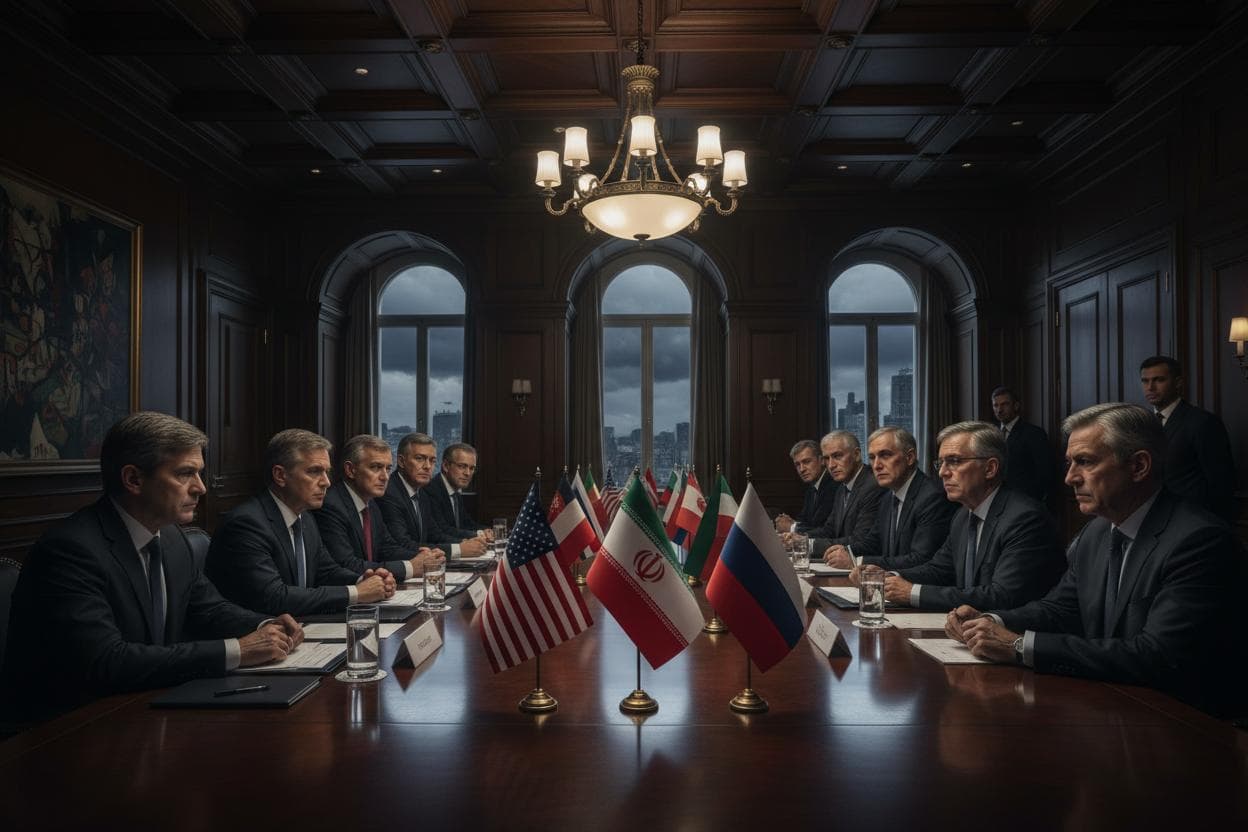
Through March and into April 2026, the United Nations Security Council held repeated emergency sessions on the Middle East escalation. Draft resolutions ranged from unconditional cease-fire demands to narrower humanitarian-access mandates. Permanent members found little common ground: language condemning specific strikes, naming state actors, or authorizing enforcement measures proved divisive. The result has been a stream of statements and presidential rhetoric rather than unified Chapter VII action.

Europe: Energy Security vs. Humanitarian Pressure

European governments face a bruising policy trilemma: sustaining support for allies, shielding consumers from oil and gas price shocks, and responding to domestic calls for de-escalation. Some capitals pushed harder for humanitarian carve-outs and diplomatic off-ramps; others emphasized deterrence and defense industrial cooperation with the United States. The lack of a single EU foreign-policy voice has complicated mediation efforts pitched from Brussels and individual member states.

Russia and China: Calls for Restraint, Criticism of Unilateral Action

Moscow and Beijing have consistently framed the conflict as a failure of diplomacy and—in their public statements—criticized unilateral military action while stopping short of endorsing Iran’s entire war aims. Both emphasize sovereignty and regional stability, urging talks while expanding energy and diplomatic engagement where Western leverage is contested. Western diplomats read these positions as partly ideological alignment and partly strategic opportunism.

Sanctions and Secondary Pressure

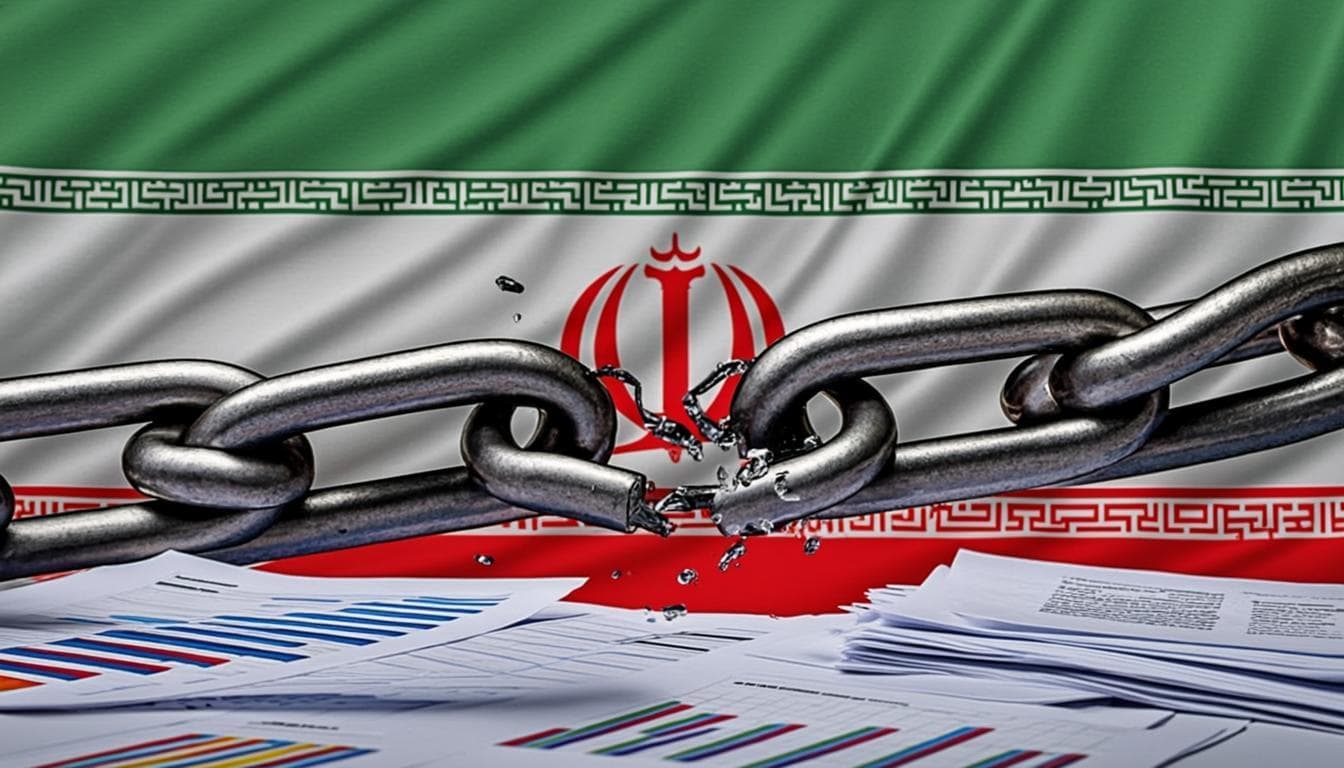
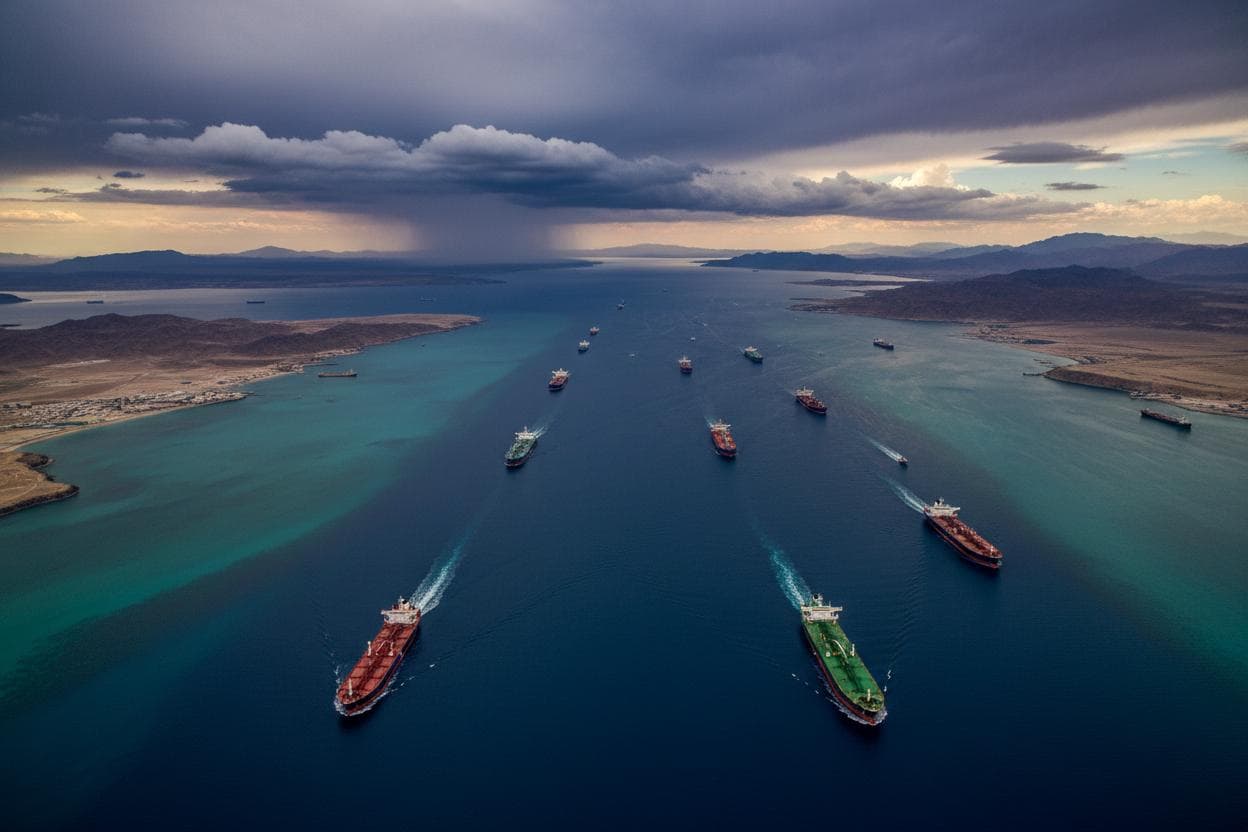
Parallel to UN debates, national sanctions lists and financial restrictions continued to evolve. Banks and insurers worldwide are repricing risk for Gulf shipping and Iranian trade, amplifying economic pain even when multilateral bodies stall. For businesses and humanitarian NGOs, the patchwork of rules has made compliance costly and slowed some aid flows—another reason diplomats say ‘UN deadlock’ does not mean ‘no consequences.’