Hezbollah-Israel War 2026: The Critical Second Front
The Hezbollah-Israel war represents one of the most dangerous dimensions of the broader Middle East conflict. Hezbollah, Iran's most powerful proxy force, has opened a critical second front against Israel from southern Lebanon. Since October 2023, daily rocket attacks, artillery exchanges, and ground operations have turned the Israel-Lebanon border into one of the world's most active conflict zones. This comprehensive analysis examines Hezbollah's origins, military capabilities, Iranian support, and the impact on both Israeli and Lebanese civilians.
What is Hezbollah? Origins, Ideology, and Structure
Hezbollah (Party of God) was founded in 1982 in response to Israel's invasion of Lebanon. The organization emerged from Lebanon's Shia Muslim community, which had been marginalized in the country's sectarian political system. Iran provided funding, training, and ideological framework for Hezbollah's establishment, making it effectively an extension of Iranian power in Lebanon. Over four decades, Hezbollah has evolved from a militia into a political-military organization that dominates Lebanese politics while maintaining independent military capability rivaling the Lebanese national army. The organization operates schools, hospitals, and social services, building loyalty among Lebanon's Shia population. Hezbollah is designated as a terrorist organization by the US, Israel, and several other nations, but is recognized as a legitimate political party in Lebanon with members in parliament and cabinet.
Hezbollah's Military Capabilities: 150,000 Missiles Targeting Israel
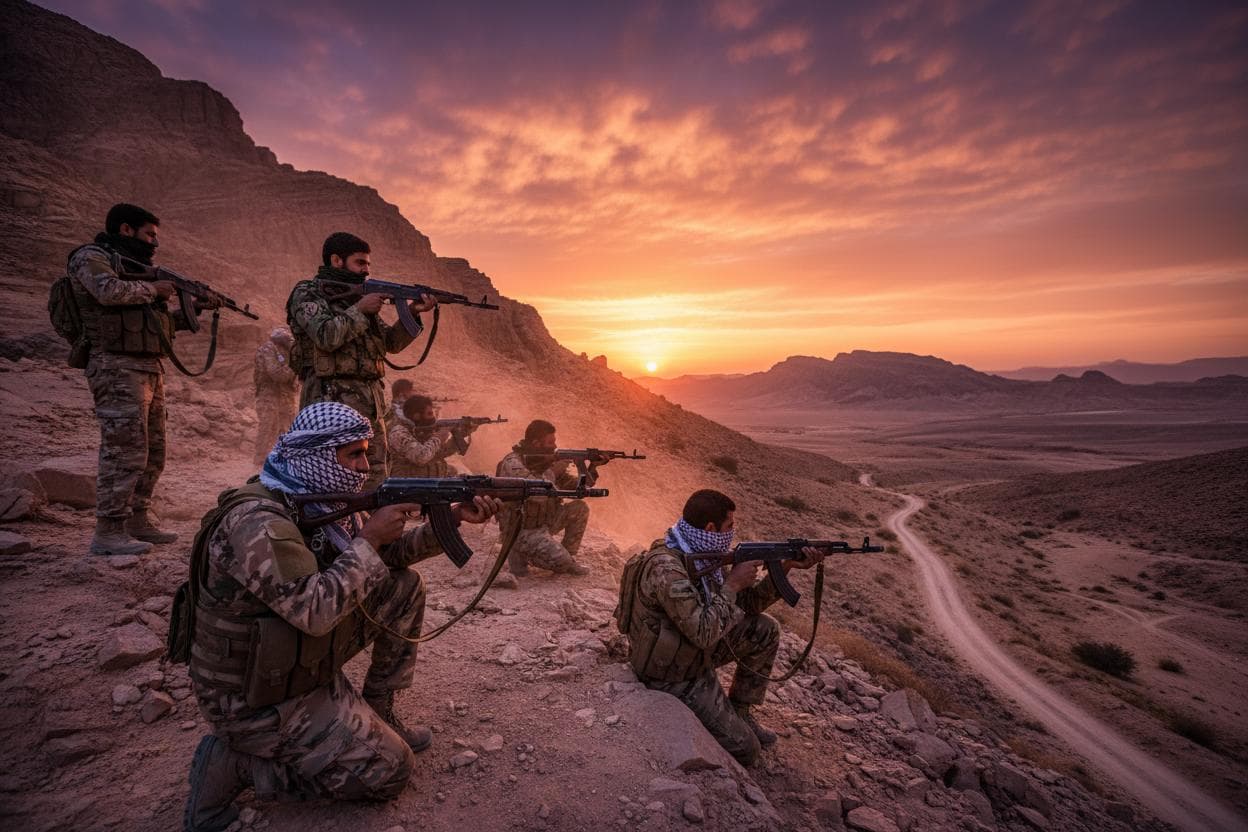
Hezbollah possesses one of the most formidable non-state military forces globally. Estimates suggest an arsenal of 150,000 missiles and rockets of varying ranges and capabilities. Short-range Katyusha rockets threaten northern Israel, while medium-range missiles can reach Tel Aviv and central Israel. Long-range precision-guided missiles can strike specific military and infrastructure targets across Israel. Hezbollah operates anti-tank guided missiles effective against Israeli armored vehicles, and drones for reconnaissance and attack missions including kamikaze drones. Hezbollah fighters are battle-hardened from years of combat in Syria supporting the Assad regime. The organization has an estimated 20,000 to 50,000 full-time fighters with additional reserves.
Iran's Support for Hezbollah: $700 Million Annual Funding
Hezbollah would not exist in its current form without Iranian support. Iran provides an estimated $700 million to $1 billion annually to Hezbollah, funding military operations, social services, and political activities. Iran's Revolutionary Guard Corps (IRGC) trains Hezbollah fighters and helps plan operations. Weapons flow from Iran to Hezbollah through Syria, including advanced missiles and guidance systems. Iran views Hezbollah as a strategic asset providing a way to threaten Israel without direct Iranian involvement. Hezbollah's massive missile arsenal serves as deterrence against Israeli attacks on Iran and potential retaliation capability. In the current conflict, Hezbollah's actions are closely coordinated with Iranian strategic objectives.
Hezbollah-Israel Escalation Timeline: October 2023 to 2026
When Hamas attacked Israel on October 7, 2023, Hezbollah began launching rockets into northern Israel the following day. The stated purpose was opening a second front to divide Israeli forces. Initially, Hezbollah maintained calculated escalation—firing enough rockets to tie down Israeli forces but avoiding full-scale war trigger. This changed as the Gaza war intensified. Israel evacuated approximately 60,000 civilians from northern communities. The IDF responded with airstrikes on Hezbollah positions and targeted killings of commanders. By early 2026, Israel conducted ground operations in southern Lebanon while Hezbollah launched hundreds of rockets daily.
Impact on Northern Israel: 60,000 Evacuated, Economy Devastated
Hezbollah's attacks have transformed life in northern Israel. Approximately 60,000 Israelis have been evacuated from communities near the Lebanon border, many for over a year. Kiryat Shmona, northern Israel's largest city, has been largely emptied. Rockets and missiles have damaged homes, businesses, and infrastructure. Israel's Iron Dome system intercepts many threats, but some penetrate defenses. The economic impact is severe—agriculture, tourism, and small businesses devastated. Israeli civilians live with constant air raid sirens and threat of larger attacks. The government faces pressure to restore security to the north, even if that means major military operation against Hezbollah.
Impact on Lebanon: Casualties, Displacement, Economic Collapse
Lebanon is paying a heavy price for Hezbollah's war against Israel. Southern Lebanon has been heavily damaged by Israeli airstrikes, with homes, farms, and infrastructure destroyed. Hundreds of thousands of Lebanese have been displaced from the border region. Lebanon's already fragile economy has been further damaged, with agricultural land unusable and trade disrupted. Israel's targeted killings have eliminated experienced Hezbollah commanders. Lebanese civilians who do not support Hezbollah are caught in the crossfire. Growing frustration exists in Lebanon with Hezbollah's unilateral decision to drag the country into war, though criticism remains risky as Hezbollah has historically suppressed domestic opposition.
Israel's Military Response: Airstrikes, Ground Operations, Targeted Killings
Israel has employed multiple military options against Hezbollah. Airstrikes target weapons depots, command centers, and rocket launching sites. Israel has assassinated senior Hezbollah commanders including those responsible for missile operations. Ground operations in southern Lebanon aim to clear Hezbollah positions near the border and create a security zone. Israel uses advanced technology including drones and surveillance systems to track Hezbollah movements and target leadership. The IDF has mobilized reserves and deployed additional forces to the northern front. Israel's strategy aims to degrade Hezbollah's capabilities while avoiding full-scale war that would devastate both sides.
Risk of All-Out War: Could Hezbollah-Israel Conflict Trigger Regional War?
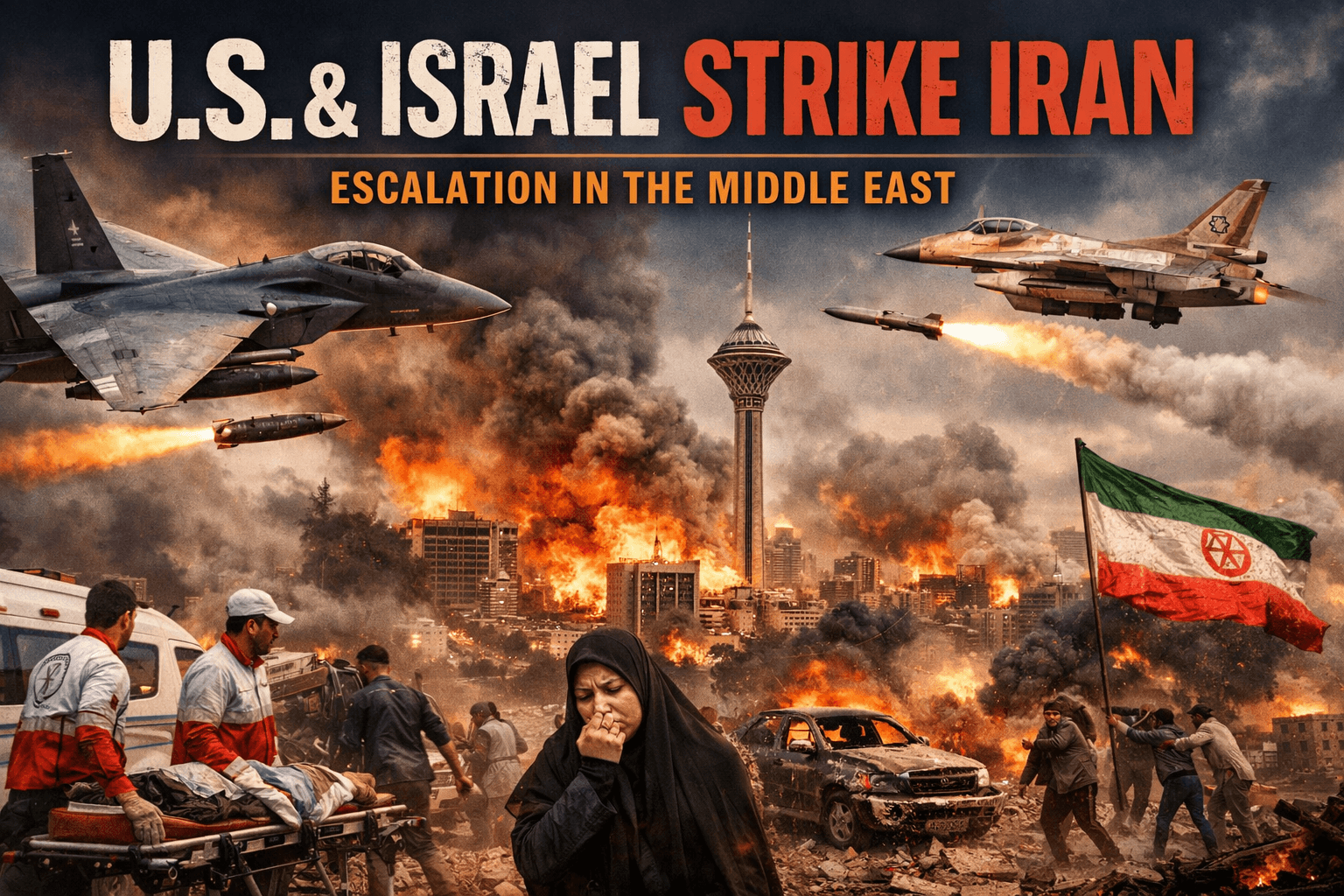
The Hezbollah-Israel conflict contains seeds of much larger war. If Hezbollah launched a massive missile barrage at Israeli cities, Israel would likely respond with overwhelming force, potentially targeting all of Lebanon. If Israel launched major ground invasion of Lebanon, Hezbollah would fight determined defense, potentially drawing additional Iranian support. The conflict could spread beyond Israel and Lebanon, with Iran becoming directly involved and other regional actors joining. Diplomats from the United States, France, and other countries have worked to prevent the conflict from exploding into full-scale war, but the situation remains volatile. A single major attack or miscalculation could trigger catastrophic escalation.
Conclusion: The Lebanon Front's Role in Israel-Iran Conflict
The Hezbollah-Israel war on the Lebanon front represents one of the most dangerous dimensions of the broader Middle East conflict. Hezbollah's vast missile arsenal, Iran's $700+ million annual support, and the determination of both sides make this a conflict with no easy resolution. Civilians on both sides of the border have borne the brunt of fighting, with displacement, destruction, and death becoming daily realities. The international community faces a difficult challenge preventing further escalation while addressing legitimate security concerns of all parties. As the conflict continues, the risk of wider war that would devastate Lebanon and Israel remains alarmingly high.