ISRAEL-IRAN WAR

Iran-US-Israel War 2026: Global Impact Analysis | Regional Crisis

Iran-US-Israel war 2026: Complete analysis of February 28 escalation, Iran's Supreme Leader succession, regional proxy warfare, direct military confrontation, humanitarian crisis, and global economic consequences.
Iran-US-Israel War 2026: Global Impact Analysis | Regional Crisis

Iran-US-Israel War 2026: February 28 Escalation Explained

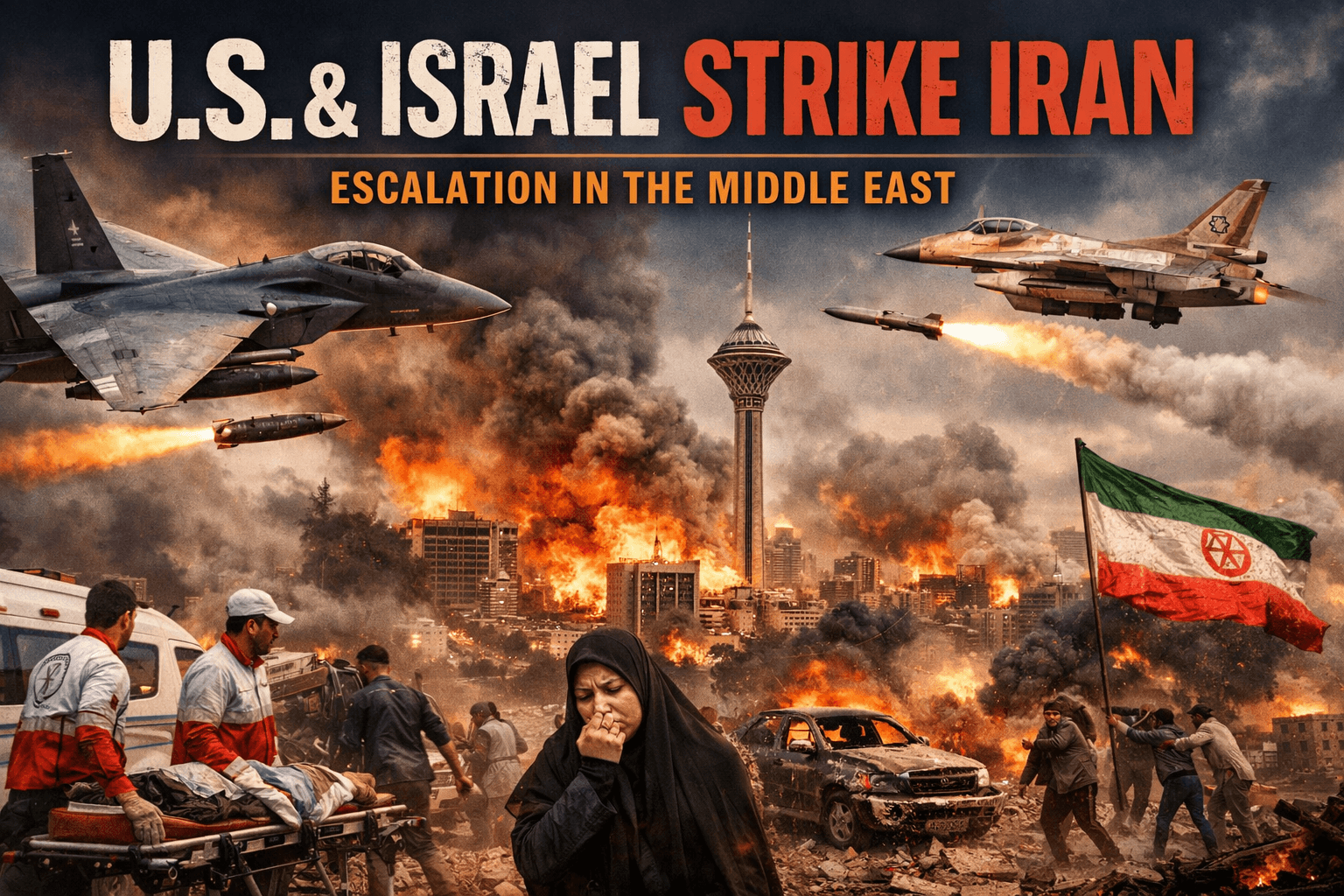
On February 28, 2026, a major escalation occurred when the US and Israel launched coordinated attacks against Iran after weeks of rising tensions and military buildup. Strikes hit key Iranian military targets and senior government figures. Iran's Assembly of Experts elected Mojtaba Khamenei to succeed his father as Supreme Leader. Iran retaliated against US military bases and regional infrastructure. Israel intensified military posture in Lebanon after Hezbollah fired rockets in support of Iran. The human toll has been severe: more than 1,800 people killed, including US service members and civilians. The trajectory of the war remains uncertain amid shifting statements from US leadership about war aims.

Regional Crisis with Global Consequences

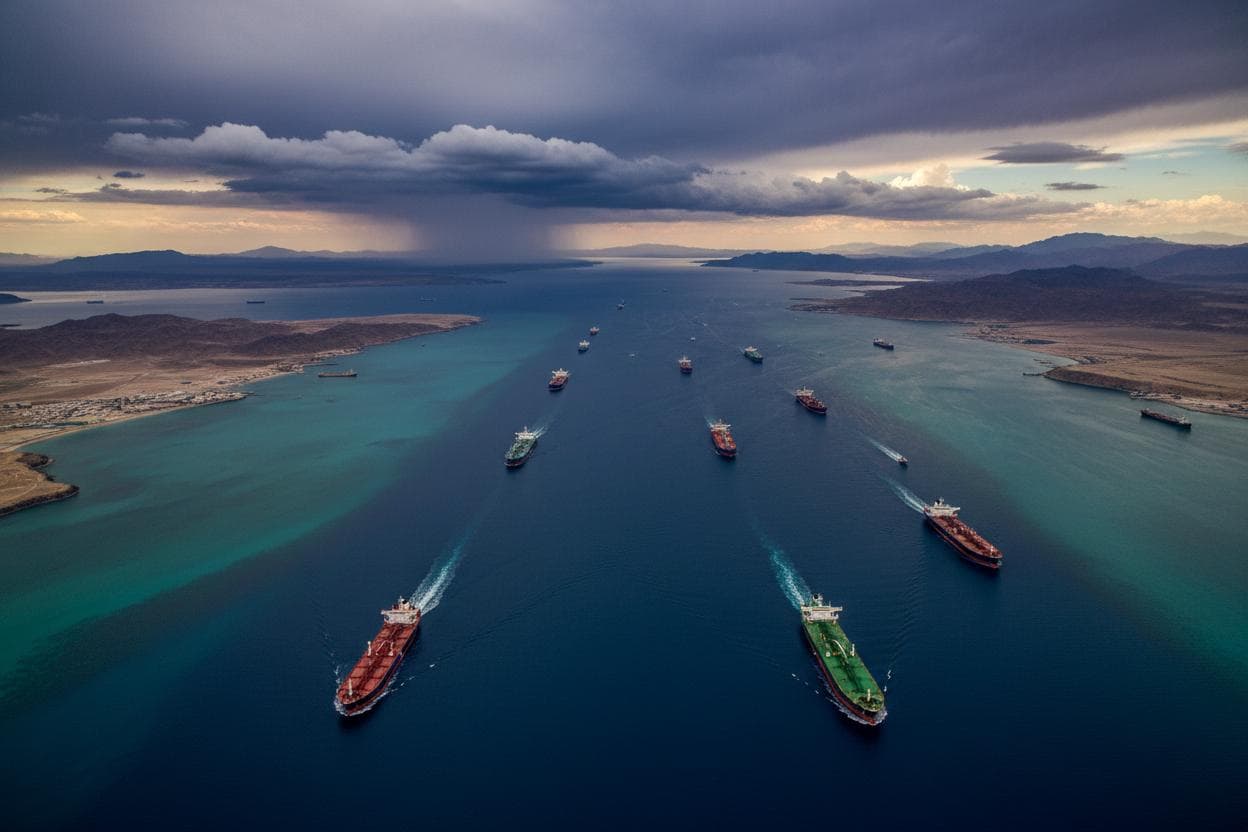
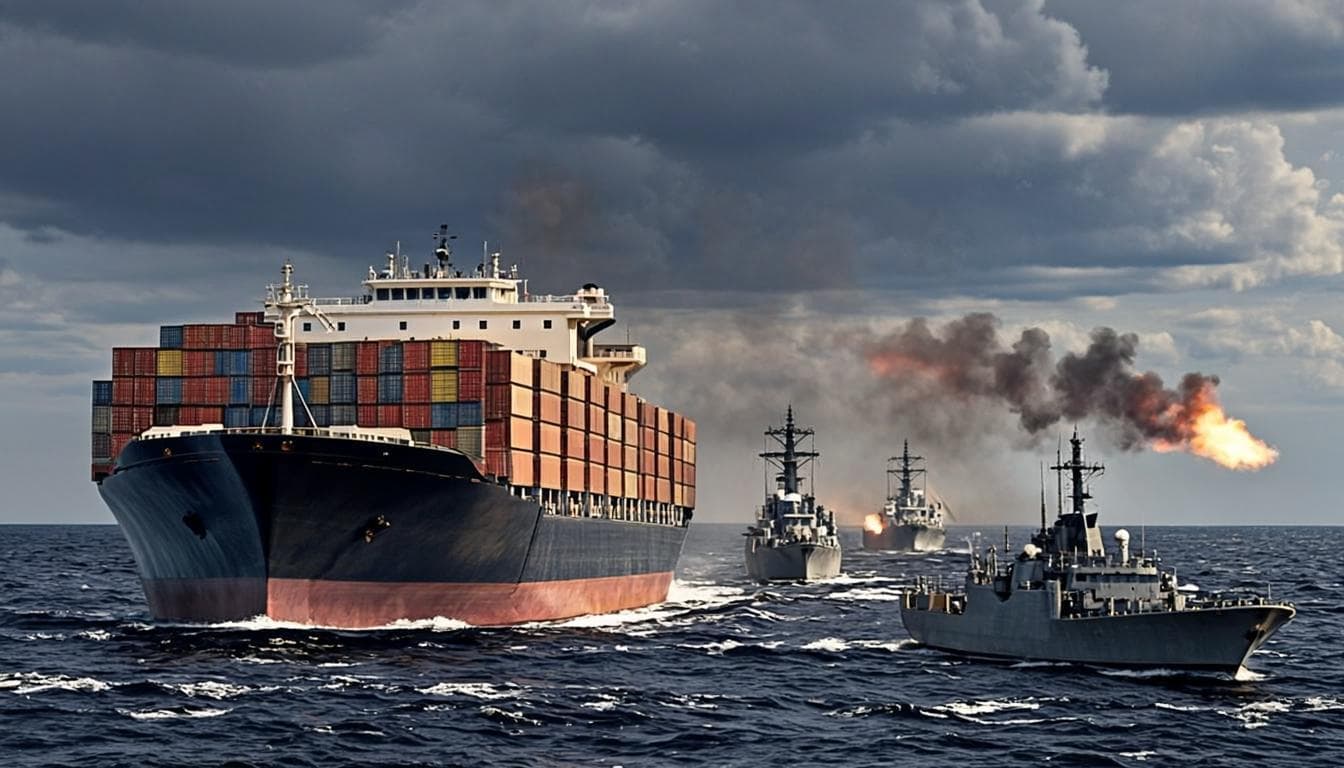
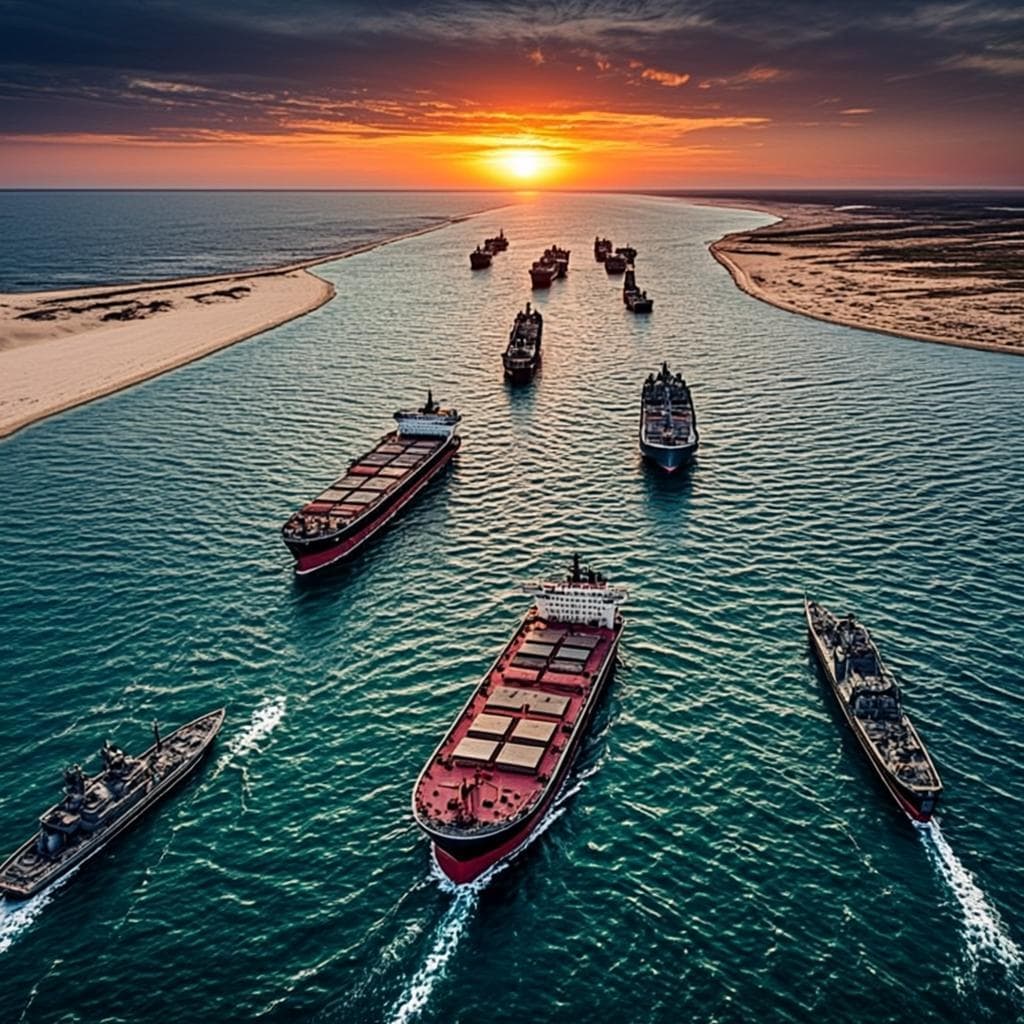
What began as targeted strikes has widened into a regional crisis with global ripple effects. Among the most consequential developments is Iran's reported success in restricting traffic through the Strait of Hormuz—a chokepoint for a large share of world oil exports. That closure helped trigger a worldwide energy shock and led the International Energy Agency to release hundreds of millions of barrels from strategic stockpiles to stabilize markets. Supply chains across multiple industries have been disrupted, and global economic growth forecasts have been revised downward.

Iran's Nuclear Program: History and Current Status

Iran's nuclear ambitions date to the 1950s, with significant expansion during the Iran-Iraq War of the 1980s as Tehran pursued capabilities as a hedge against external threats. In the early 2000s, previously concealed nuclear work came to light. Iran eventually accepted limits under the Joint Comprehensive Plan of Action (JCPOA) in 2015, committing to restrain nuclear activities in exchange for sanctions relief. Even with that agreement, friction continued over missile development and regional policy. The 2026 conflict has brought renewed attention to Iran's nuclear capabilities, with military strikes targeting facilities including Natanz and Fordow.

Iran's Regional Proxies: Expansion of Influence

Iran has expanded its reach through partners and proxies in Lebanon, Syria, Iraq, Yemen, and Gaza. These groups receive Iranian funding, training, and arms transfers. Hezbollah in Lebanon, with an estimated 150,000 missiles, represents Iran's most powerful proxy. Hamas and Islamic Jihad in Gaza have benefited from Iranian support. Houthi rebels in Yemen have disrupted global shipping. Shiite militias in Iraq have threatened US forces. US policymakers have long cited this proxy network as a core driver of Middle East instability and a reason for sustained pressure on Tehran.

From Proxy Conflict to Direct Confrontation

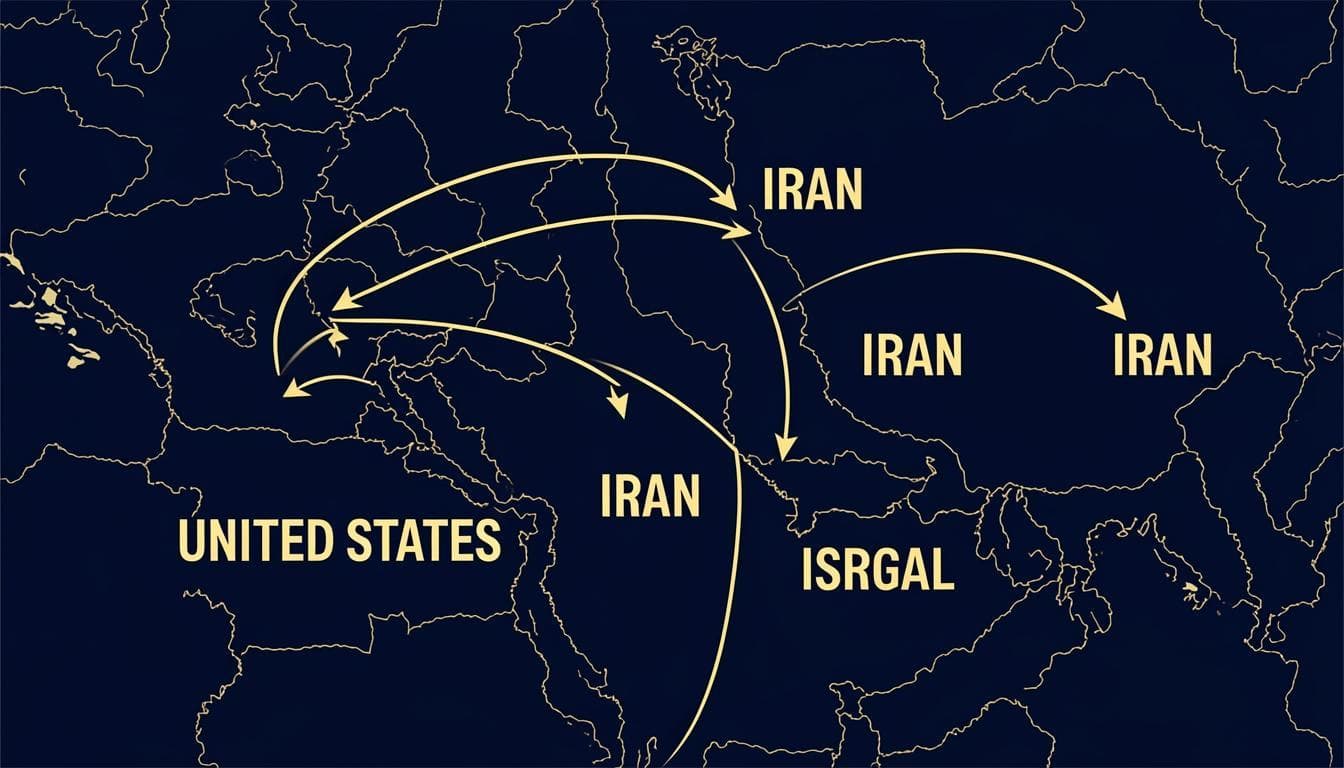
Israel and Iran clashed for years mainly through intermediaries, but that pattern broke down after the 2023 Hamas-Israel war, when Iran-backed groups stepped up attacks across the region. By 2024, fighting had escalated into direct exchanges: Israeli strikes on Iranian military targets met large-scale Iranian retaliation, marking a shift from shadow war to open state-on-state confrontation. The 2026 escalation represents the culmination of this transformation, with the US directly involved alongside Israel in military action against Iranian territory.