STRAIT OF HORMUZ

Strait of Hormuz Crisis 2026: Global Energy Supply at Risk | Blockade Threat

Strait of Hormuz crisis 2026: Analysis of potential Iranian blockade, impact on 20% of global oil supply, energy security risks, worldwide economic consequences, and international military response options.
Strait of Hormuz Crisis 2026: Global Energy Supply at Risk | Blockade Threat

Strait of Hormuz Crisis 2026: The World's Energy Lifeline at Risk

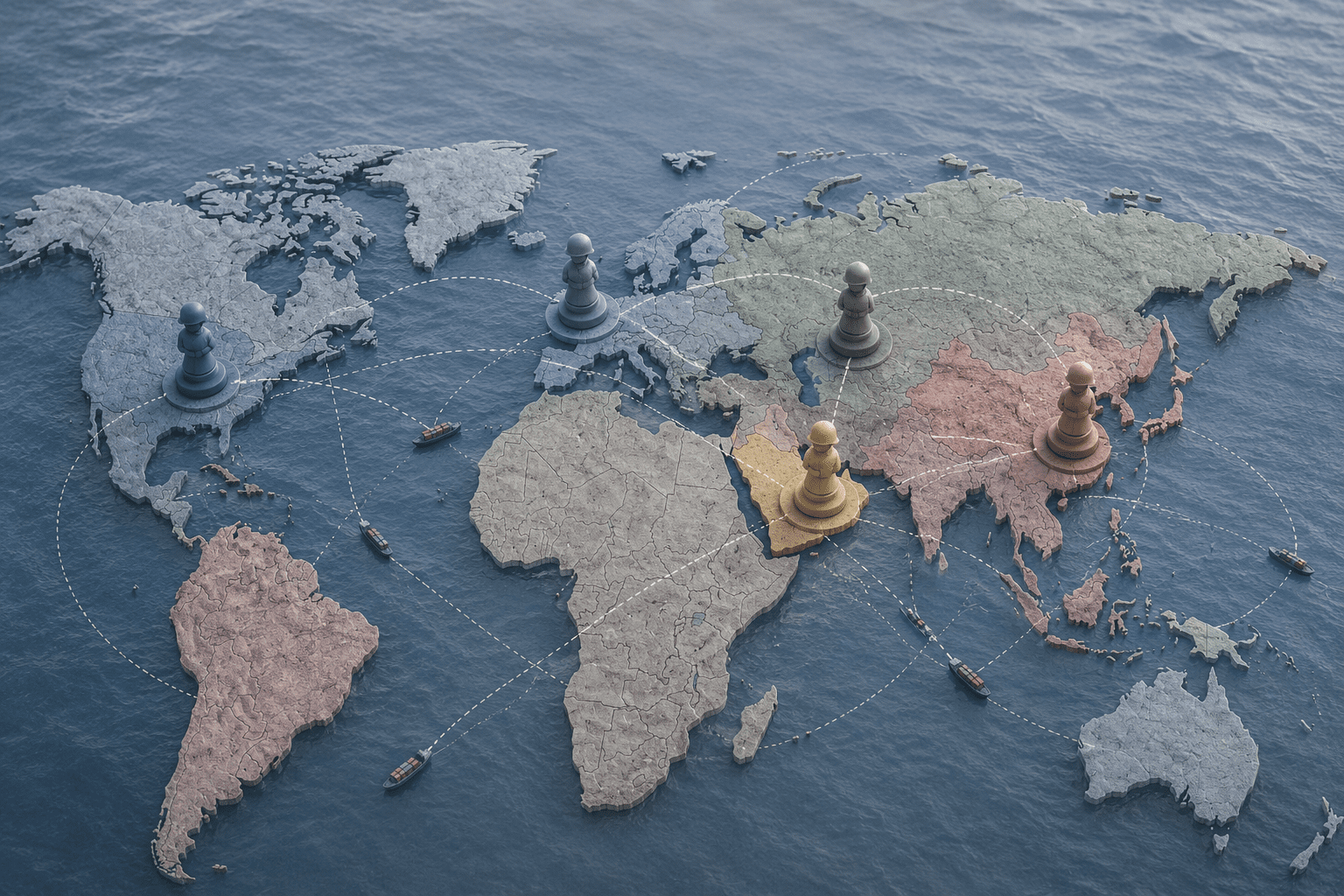
The Strait of Hormuz, a narrow waterway connecting the Persian Gulf with the Gulf of Oman and Arabian Sea, has become a focal point of global concern. With ongoing US-Iran tensions and military strikes on Iranian territory, the possibility of an Iranian blockade leading to a global energy crisis has risen dramatically. Understanding the Strait's strategic importance and the potential consequences of its closure is essential for comprehending the full scope of the current Middle East crisis.

Strait of Hormuz Facts: Why This Waterway Matters

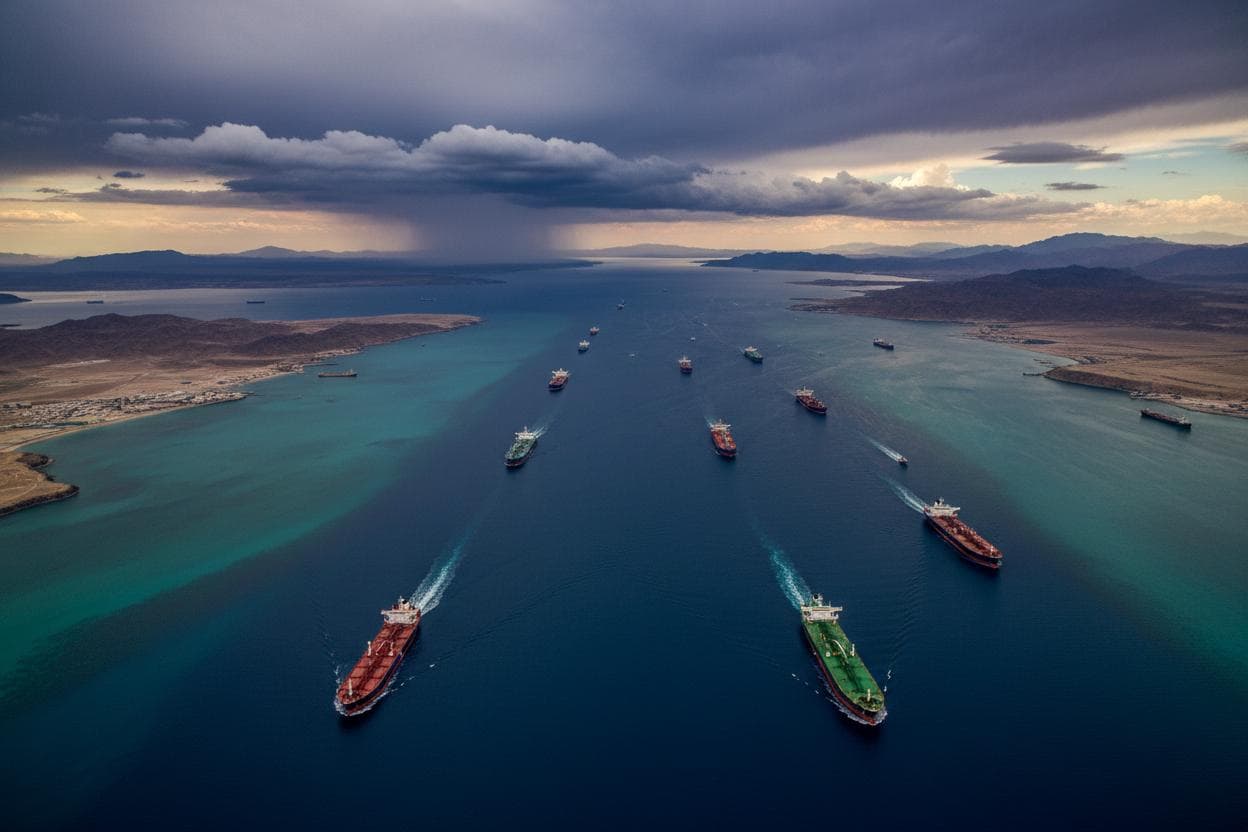
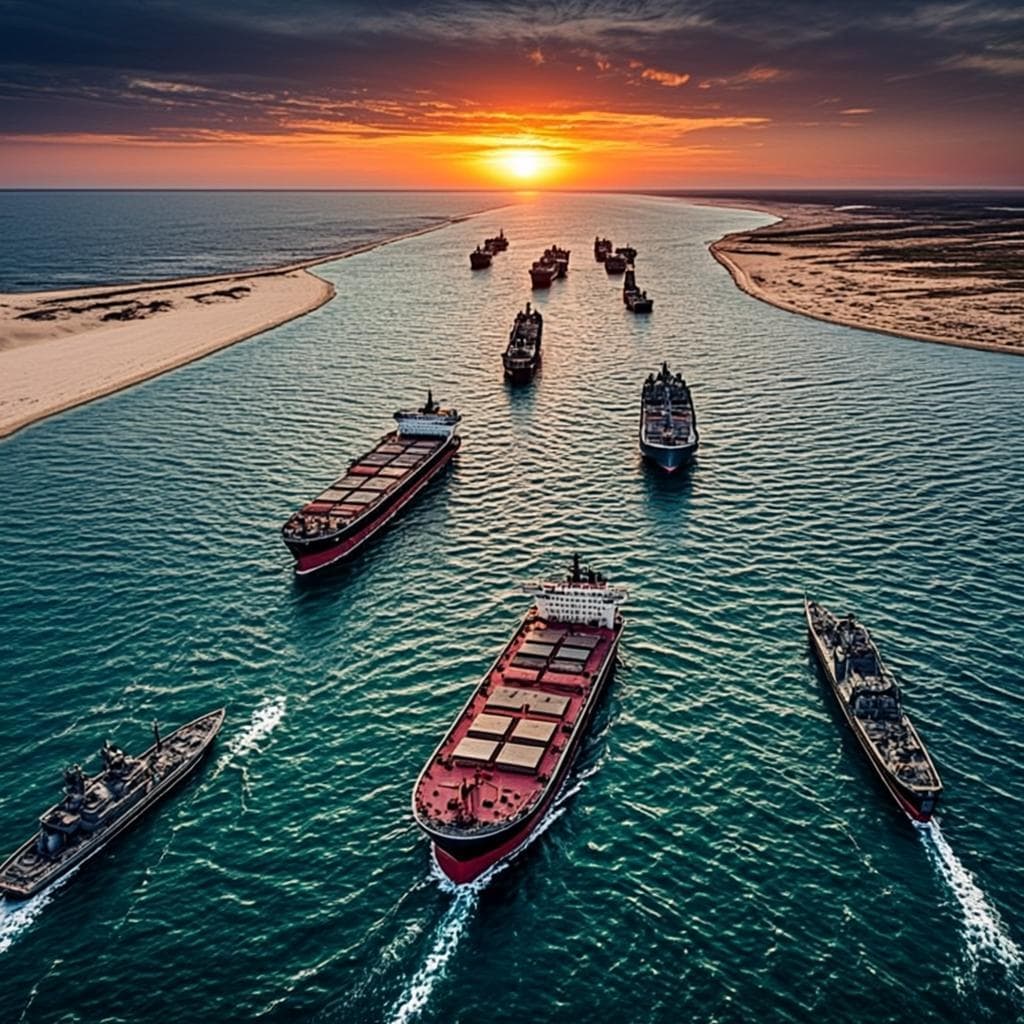
The Strait of Hormuz is only 21 miles wide at its narrowest point yet serves as the gateway for approximately 20% of global oil consumption—roughly 21 million barrels per day. Major oil-exporting countries dependent on this route include Saudi Arabia, UAE, Iraq, Kuwait, and Iran itself. Key natural gas exporters also rely on the strait. Countries including China, India, Japan, South Korea, and European nations import significant energy supplies through this chokepoint. Due to its strategic location, even a partial disruption has significant worldwide repercussions.

Iran's Threat to Close the Strait of Hormuz

Iran has repeatedly threatened to close the Strait of Hormuz in response to sanctions and military action. These threats are taken seriously because Iran possesses capabilities to significantly disrupt navigation, including: anti-ship missiles deployed along its coastline, naval mines that could be laid in shipping channels, fast attack boats for swarm tactics against commercial vessels, and coastal artillery. While a complete closure would be difficult to maintain against US military action, even temporary disruption would cause immediate oil price spikes and supply shortages.

Global Oil Supply Impact: 21 Million Barrels at Risk

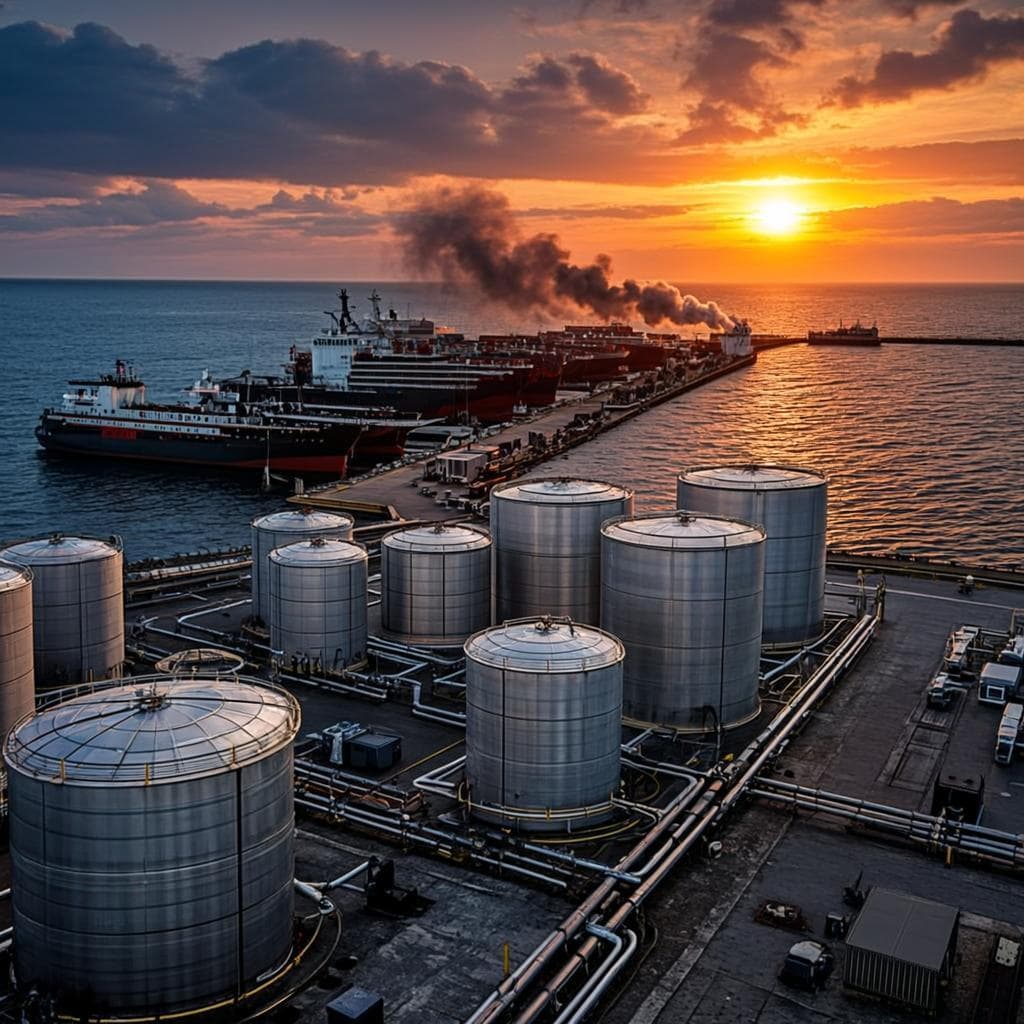
A blockade of the Strait of Hormuz would create immediate global oil supply disruption. With approximately 21 million barrels of oil passing through daily, closure would remove roughly 20-25% of world oil trade from the market. Oil prices would surge dramatically—potentially doubling or tripling—causing immediate economic pain worldwide. Countries most dependent on Persian Gulf oil would face acute shortages. The global economy, already vulnerable, could be pushed into recession. Energy-intensive industries would face existential challenges.

Economic Consequences: Inflation, Recession, Trade Disruption

A Strait of Hormuz blockade would trigger severe global economic consequences. Skyrocketing oil prices would feed through to transportation costs, manufacturing, and consumer goods. Inflation would accelerate in oil-importing nations. Trade patterns would be disrupted as shipping costs soared. Stock markets would likely experience severe volatility. Developing nations dependent on imported oil would face balance of payments crises. The combined effect could push the global economy into recession, with recovery dependent on how quickly the strait reopened.

International Military Response: Protecting the Strait

The international community, led by the United States, has contingency plans for keeping the Strait of Hormuz open. The US Fifth Fleet, based in Bahrain, maintains significant naval presence in the region. International naval coalitions could be assembled to escort commercial vessels and clear mines. Military action against Iranian coastal facilities might be necessary to suppress missile and artillery threats. However, any military operation would carry risks of escalation into broader regional conflict, with unpredictable consequences.

Alternative Energy Routes: Can They Compensate?

Alternative oil export routes exist but cannot fully compensate for Strait of Hormuz closure. Saudi Arabia operates the East-West pipeline to the Red Sea, with capacity of approximately 5 million barrels per day. The UAE has the Abu Dhabi Crude Oil Pipeline with capacity around 1.5 million barrels per day. However, these alternatives together can handle only a fraction of the oil normally passing through the strait. Shipping around Africa's Cape of Good Hope dramatically increases transit time and costs. The world remains heavily dependent on Strait of Hormuz navigation.

Strategic Petroleum Reserves: Emergency Response

Countries maintain strategic petroleum reserves (SPR) to respond to supply disruptions. The United States holds the largest reserve, with capacity for over 700 million barrels. Other IEA member countries maintain significant reserves. Coordinated release from these reserves could temporarily cushion the impact of a Strait closure, buying time for military or diplomatic resolution. However, reserves would eventually deplete, making restoration of normal oil flows essential. The current crisis has prompted discussions about increasing strategic reserve levels.

Conclusion: Strait of Hormuz as Global Energy Chokepoint

The Strait of Hormuz represents the world's most critical energy chokepoint, and the current crisis has highlighted its vulnerability. Even a brief closure would cause oil price spikes and economic disruption. Prolonged disruption would trigger global recession and energy crisis. The international community has strong incentives to prevent Iranian closure of the strait, while Iran holds closure as a powerful threat. As Middle East tensions continue, the Strait of Hormuz remains a potential flashpoint that could transform regional conflict into global energy crisis. Understanding this waterway's importance is essential for understanding contemporary energy security.