US-Iran Conflict 2026: Origins and Current Crisis
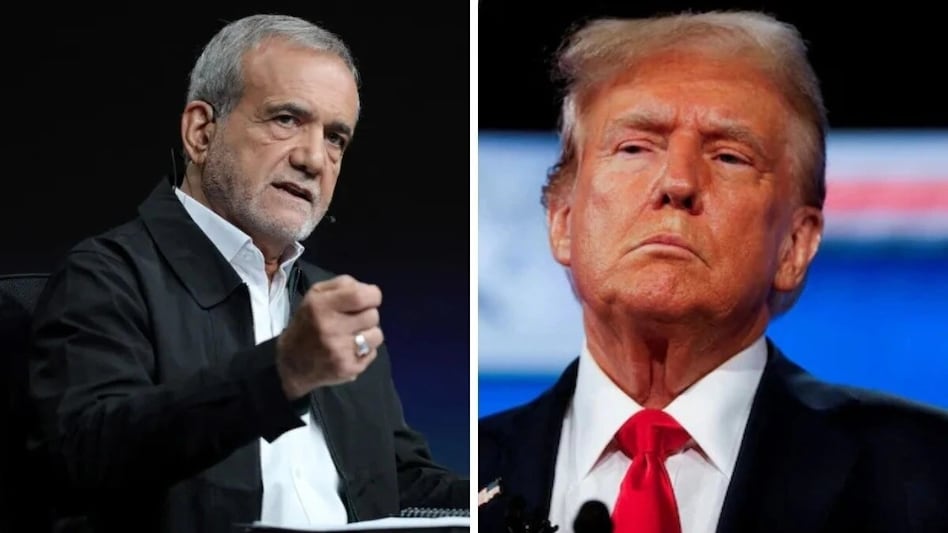
The US-Iran conflict represents one of the most significant geopolitical rivalries of the modern era, rooted in decades of political suspicion and strategic competition. Relations deteriorated sharply following the 1979 Islamic Revolution that transformed Iran from a US ally into one of America's most determined adversaries. The subsequent hostage crisis established a pattern of hostility that has defined US-Iran relations for over four decades. Today, the conflict encompasses nuclear tensions, economic sanctions, regional proxy wars, and direct military confrontation, with implications for global security and energy markets.
Iran Nuclear Program: US Concerns and International Response
Iran's nuclear ambitions have been a central factor in US-Iran tensions. The Iran nuclear program, particularly uranium enrichment activities with weapons potential, has concerned the international community for years. In 2015, Iran entered the Joint Comprehensive Plan of Action (JCPOA nuclear deal), restricting nuclear activities in exchange for sanctions relief. The US withdrawal from the agreement in 2018 rekindled US-Iran tensions, resulting in sanctions reinstatement and diplomatic crisis. Iran has since exceeded enrichment limits, raising fears of nuclear weapons development. Negotiations have been sporadic with trust remaining weak on both sides.
US Sanctions on Iran: Economic Warfare and Impact
US sanctions against Iran have evolved into one of the most comprehensive economic pressure campaigns in history. Following the 1979 revolution and hostage crisis, initial sanctions froze Iranian assets and banned trade. Over decades, sanctions expanded dramatically to include oil exports, financial transactions, and individual officials. The 'maximum pressure' campaign imposed secondary sanctions on countries and companies dealing with Iran, forcing foreign entities to choose between US and Iranian markets. These sanctions have severely impacted Iran's economy, though their effectiveness in changing Iranian behavior remains debated.
Strait of Hormuz Crisis: Global Oil Supply at Risk
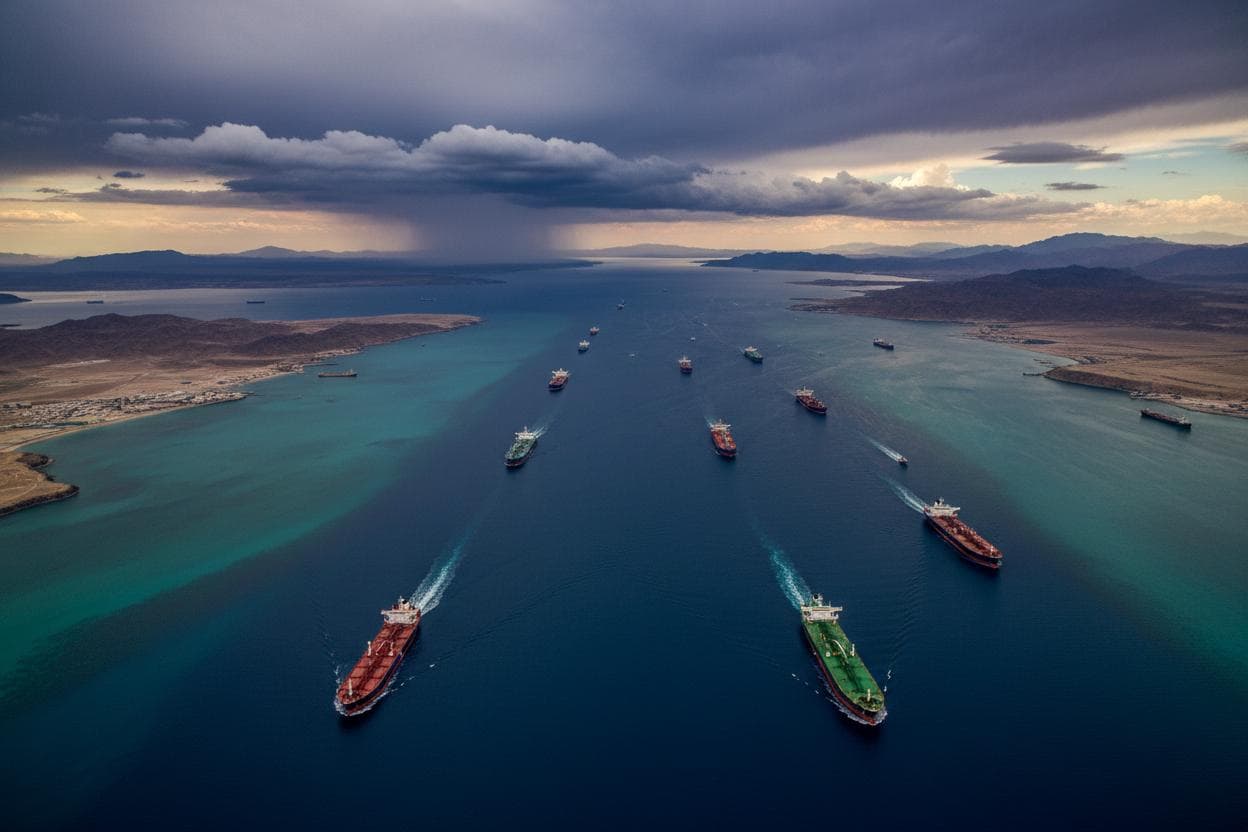
The Strait of Hormuz represents a critical flashpoint in US-Iran tensions. This narrow waterway, only 21 miles wide at its narrowest point, connects the Persian Gulf to international waters and serves as the route for approximately 20% of global oil exports. Iran has repeatedly threatened to close the strait in response to sanctions and military pressure. Any disruption would have immediate global consequences, causing oil prices to spike and potentially triggering wider conflict. The strategic importance of this chokepoint ensures that US-Iran tensions there have worldwide implications.
US Military Presence in Middle East: Deterrence or Provocation?
The US maintains significant military forces in the Middle East, including bases across the region, naval vessels in the Persian Gulf, and troops in various countries. US policymakers view this presence as essential for deterring Iranian aggression, protecting allies including Israel and Saudi Arabia, and ensuring free navigation through critical waterways. Iran views US military presence as threatening and provocative, citing historical US intervention in Iranian affairs. The 2020 killing of Iranian General Qasem Soleimani by US forces exemplified the tensions, with Iran retaliating with missile attacks on US bases in Iraq.
Israel-Iran-US Triangle: Regional Security Dynamics
The US-Iran conflict is inextricably linked to Israel-Iran tensions. Israel views a nuclear-armed Iran as an existential threat and has conducted airstrikes against Iranian targets in Syria. The US commitment to Israel's security adds another dimension to US-Iran relations. Gulf states including Saudi Arabia and UAE watch the situation attentively, balancing security cooperation with the US against concerns about regional conflict escalation. The complex web of alliances and rivalries means that any US-Iran confrontation has immediate implications for Israel and Gulf states.
Global Economic Impact: Oil Prices, Trade, and Markets
US-Iran tensions have profound implications for the global economy. Energy markets are particularly sensitive, with any escalation touching oil infrastructure or shipping routes causing worldwide price fluctuations. International trade, financial systems, and diplomatic alignments are affected by sanctions and countermeasures. Countries dependent on Middle East energy resources monitor the conflict closely, understanding that even minor confrontations can have global ripple effects. The combination of sanctions on Iranian oil exports and threats to Strait of Hormuz navigation creates persistent uncertainty in energy markets.
Diplomatic Efforts: Can US-Iran Tensions Be Resolved?
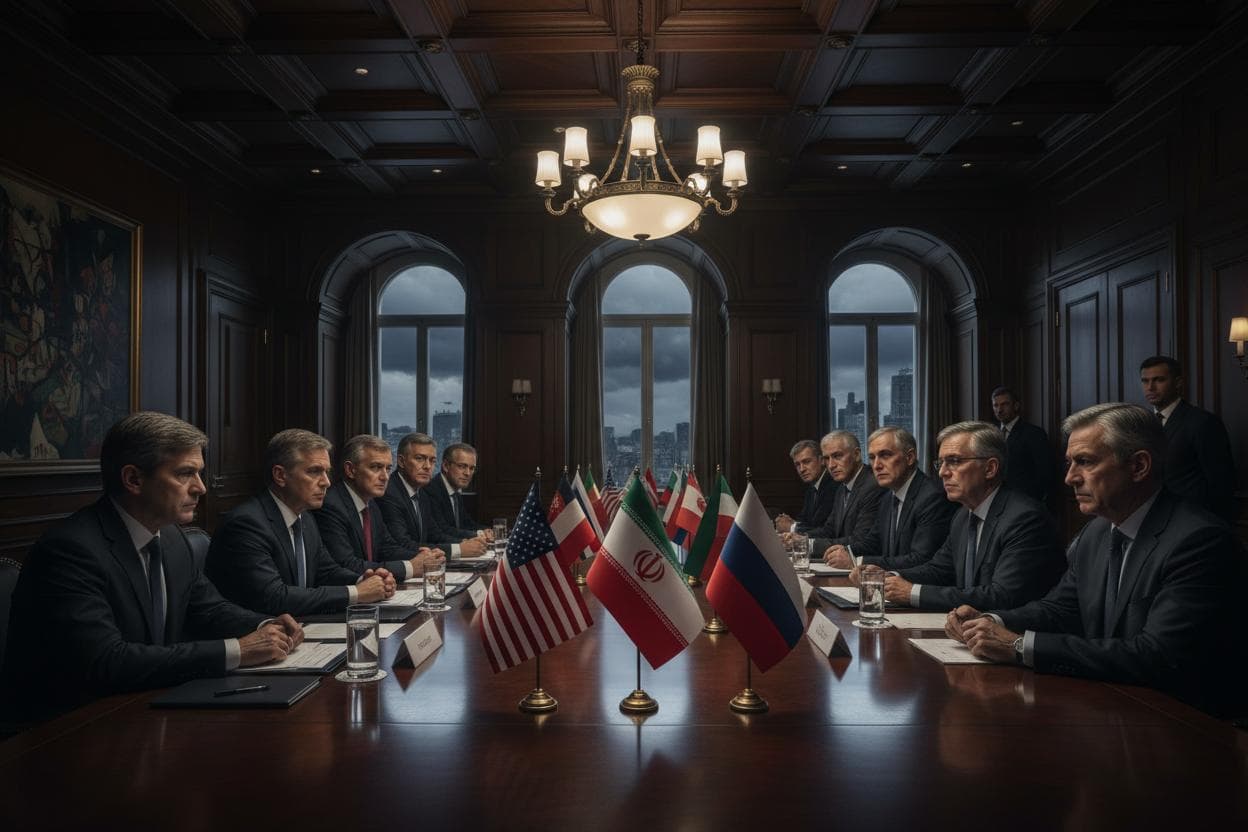
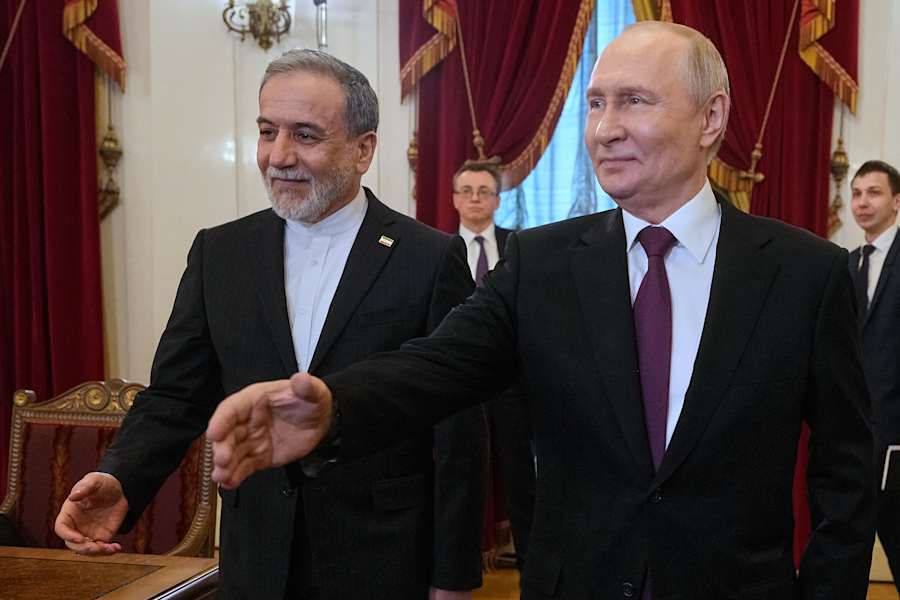
Despite ongoing escalation, diplomatic efforts continue. Indirect negotiations, regional mediation, and international pressure aim to prevent wider war. However, unresolved issues including sanctions relief, nuclear transparency, and regional security complicate any diplomatic process. The JCPOA experience—where an agreement was reached but then abandoned—has created distrust on both sides. Any resolution would require addressing not only nuclear issues but also Iran's regional activities, missile program, and the fundamental hostility between the US and Iranian governments.
Conclusion: US-Iran Conflict's Role in Global Security
The US-Iran conflict is not a temporary crisis but a complex geopolitical struggle shaped by history, nuclear concerns, regional rivalries, and global economic interests. The 2026 escalation, involving direct military confrontation between US forces and Iran alongside Israeli operations, represents the most dangerous phase in this decades-long rivalry. The conflict's evolution will continue to affect Middle East stability and international security for the foreseeable future. Understanding this conflict is essential for understanding contemporary global politics and the challenges facing international diplomacy.