Red Sea Crisis 2026: Global Shipping Under Attack
The Red Sea crisis that began in late 2023 has emerged as one of the most significant disruptions to global trade in recent decades. Yemen's Houthi rebels, backed by Iran, have launched repeated attacks on commercial shipping passing through the Bab al-Mandab strait, one of the world's most important maritime chokepoints. The crisis demonstrates how a relatively small group, armed with Iranian weapons, can disrupt global commerce and draw major powers into military confrontation. The 2026 escalation has intensified the crisis, with broader implications for regional security and the global economy.
Who Are the Houthis? Origins, Ideology, and Iran Connection
The Houthis are an armed group from Yemen's Zaidi Shia Muslim community that emerged in the 1990s in opposition to the Yemeni government. They seized control of Yemen's capital, Sana'a, in 2014, sparking a civil war lasting nearly a decade. A Saudi-led coalition intervened in 2015 but the conflict settled into bloody stalemate. The Houthis have survived despite facing one of the world's most powerful military coalitions, thanks in part to Iranian support. The group's formal name, Ansar Allah (Supporters of God), reflects their religious orientation. They have developed significant military capabilities, including ballistic missiles and drones reaching deep into Saudi Arabia and the Red Sea.
Iran's Support for Houthis: Weapons, Training, Strategic Coordination
Iran's relationship with the Houthis is part of its broader network of proxy forces across the Middle East. While Iran does not directly control the Houthis, it provides weapons, training, and technical assistance. Iranian-made missiles and drones have enabled Houthi attacks on shipping and Saudi territory. The Houthis serve Iran's interests by threatening Saudi Arabia's southern border and, more recently, by disrupting international shipping in support of Iranian objectives. The Red Sea attacks have given Iran leverage in its confrontations with the United States and Israel, demonstrating that even a relatively weak proxy can impose significant costs on global commerce.
Bab al-Mandab Strait: Critical Chokepoint for 12% of Global Trade
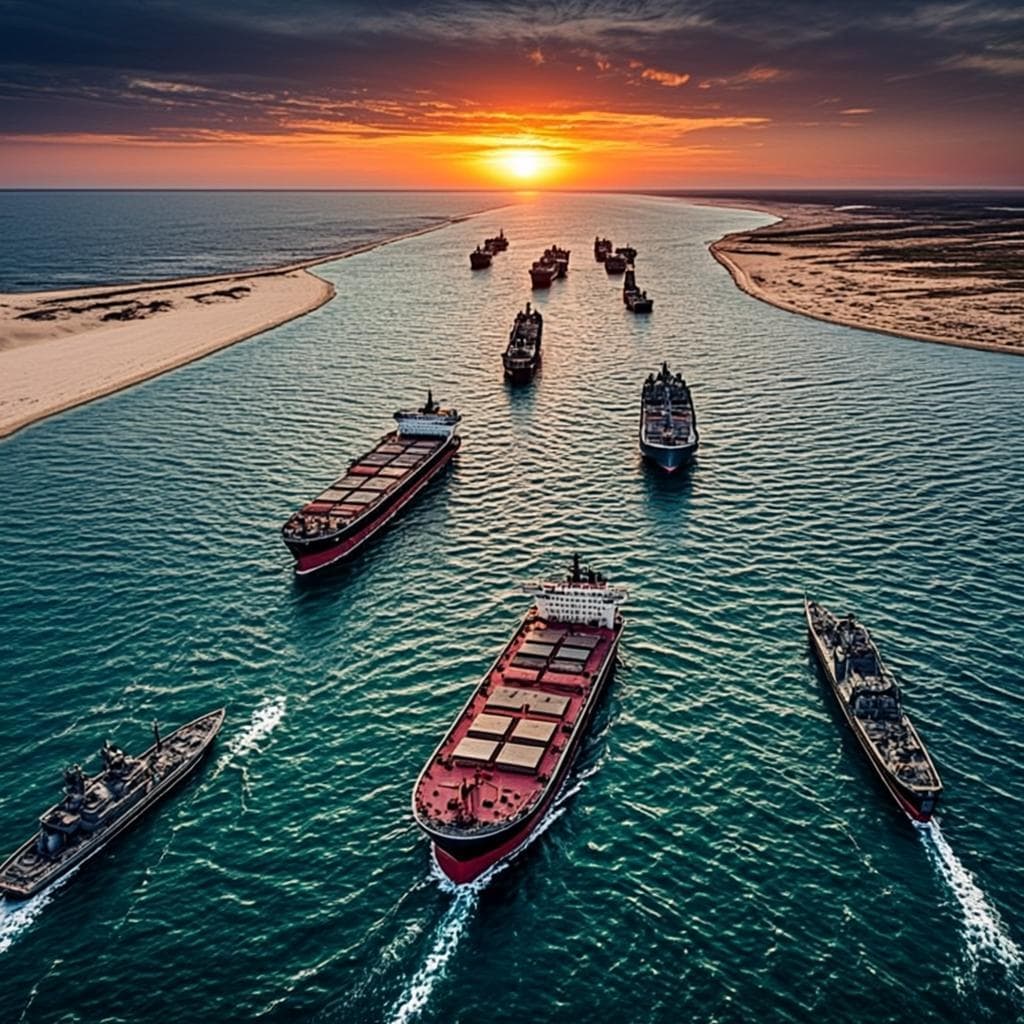
The Red Sea is a critical artery for global trade, connecting the Mediterranean via the Suez Canal to the Indian Ocean. Approximately 12% of global trade passes through this route, including significant portions of world oil shipments and container cargo. The Bab al-Mandab strait, at the Red Sea's southern end, is only about 18 miles wide at its narrowest point, making it vulnerable to attack from Yemen's coast. Ships passing through must come within range of Houthi missiles and drones. The alternative route around Africa's Cape of Good Hope adds approximately 10-14 days to shipping times, significantly increasing costs.
Houthi Attacks on Ships: Timeline and Methods
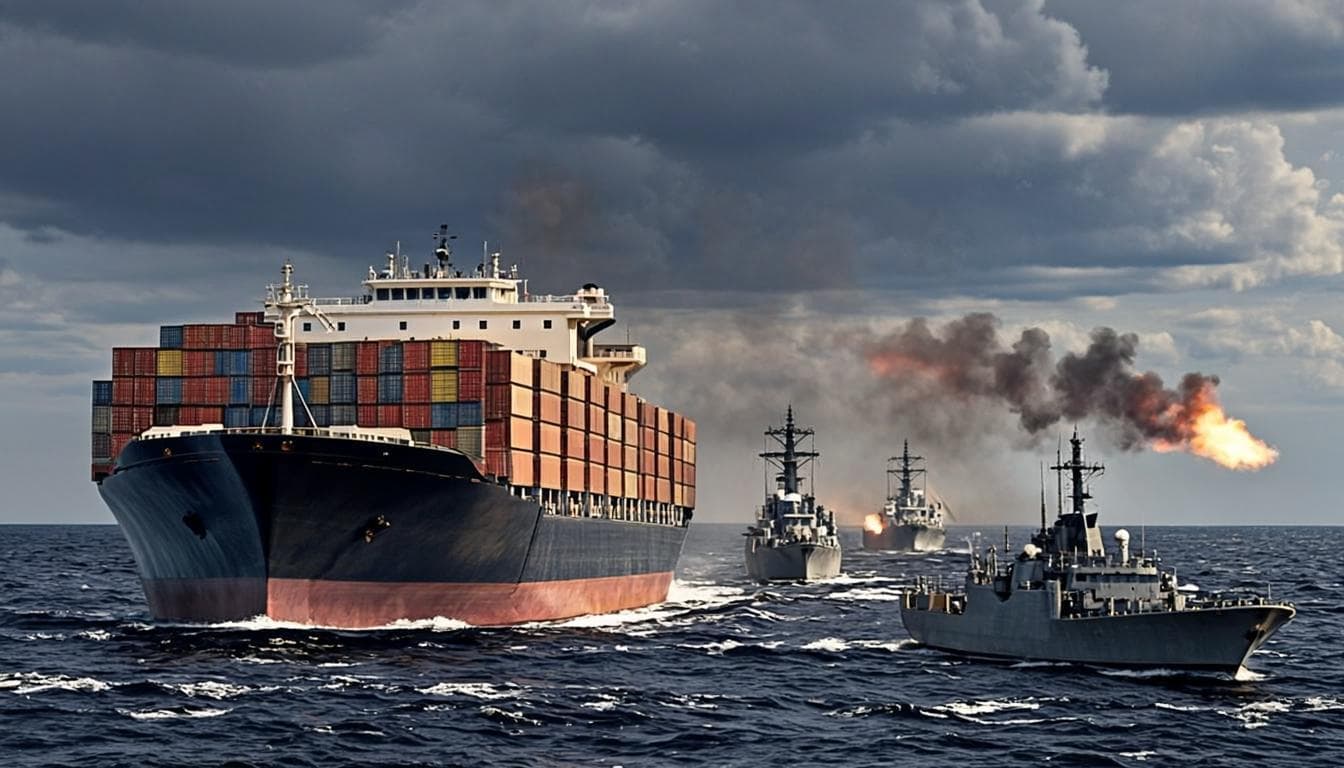
In November 2023, following the Israel-Hamas war outbreak, the Houthis announced they would attack ships passing through the Red Sea connected to Israel or its allies. They launched missiles and drones at commercial vessels, and in some cases, used helicopter-borne gunmen to hijack ships. The attacks continued and expanded, targeting vessels with various connections to Israel, the United States, and other nations. Insurance rates for Red Sea shipping skyrocketed, and many shipping companies began routing vessels around Africa rather than risk the Red Sea passage. The attacks have continued into 2026 with increasingly sophisticated weapons.
Operation Prosperity Guardian: International Military Response
The United States and allies responded to Red Sea attacks by establishing Operation Prosperity Guardian, a multinational naval task force to protect shipping. Warships from the US, UK, and other nations deployed to the region, intercepting Houthi missiles and drones and conducting strikes against Houthi military targets in Yemen. The military response has had limited success in stopping attacks. The Houthis have adapted, using mobile launchers and other tactics to continue operations. The conflict has escalated, with Houthi attacks extending to US and UK naval vessels, and coalition strikes targeting increasingly deep into Houthi-controlled territory.
Global Trade Impact: Supply Chain Disruption and Rising Costs
The Red Sea crisis has had significant effects on global commerce. Shipping costs have risen dramatically as vessels take longer routes or pay higher insurance premiums. Delivery times have increased for goods traveling from Asia to Europe and the eastern United States. Some supply chains have been disrupted, contributing to inflationary pressures. The energy market has been particularly affected, with concerns about oil shipments leading to price volatility. The crisis demonstrates how vulnerable the global economy is to disruptions at key maritime chokepoints.
2026 Escalation: Red Sea as Part of Iran-US-Israel Conflict
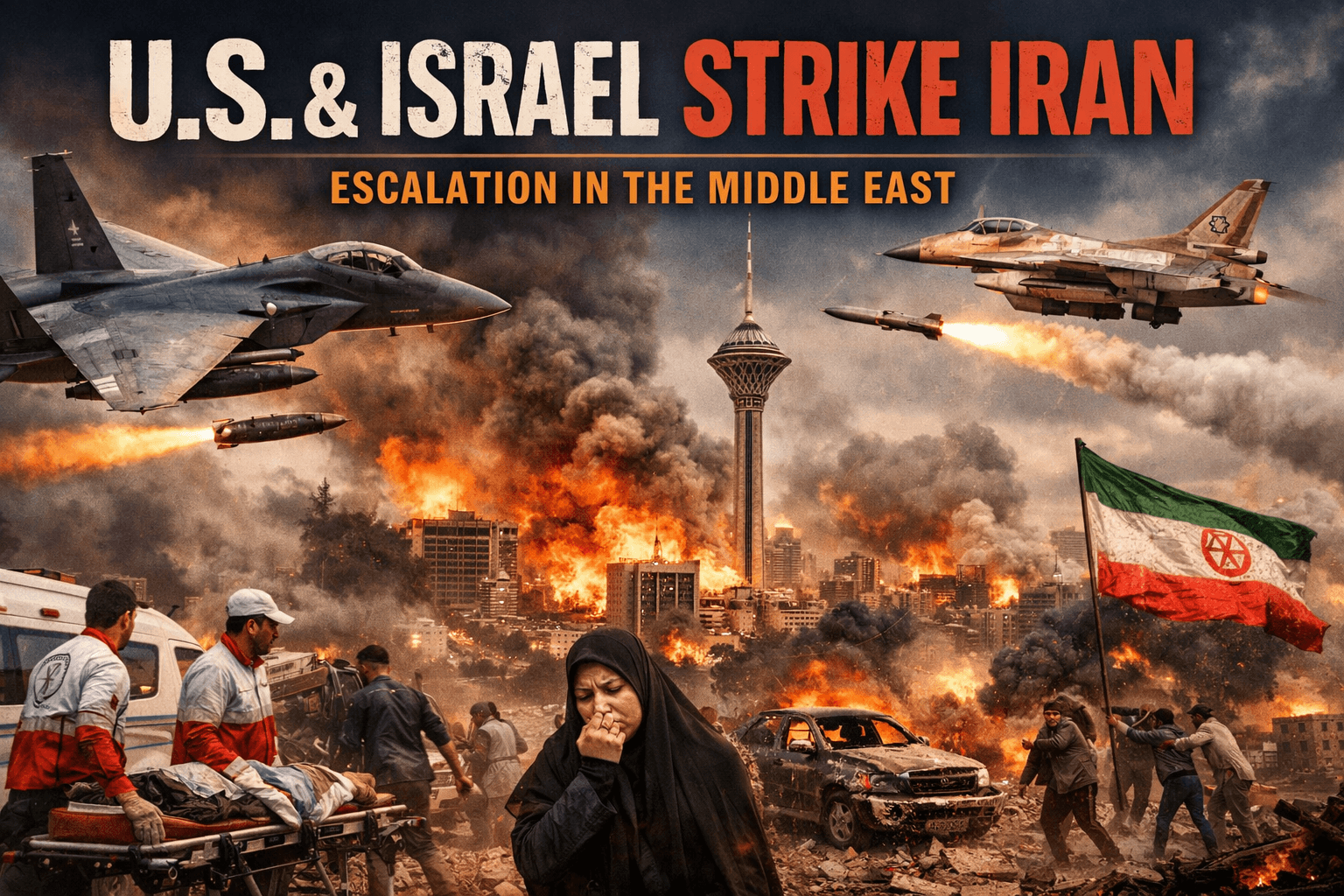
The broader Middle East escalation of 2026 has intensified the Red Sea crisis. The Houthis have expanded their attacks in support of Iran, targeting a wider range of vessels and launching more sophisticated weapons. US and coalition forces have intensified strikes on Houthi positions, but the group remains capable of operations. The conflict has become part of the larger Iran-US-Israel confrontation, with the Houthis serving as one component of Iran's multi-front pressure campaign. The risk of escalation, including direct Iranian involvement or a major incident causing significant casualties, remains high.
Yemen Humanitarian Crisis: Context and Consequences
The Red Sea crisis intersects with the ongoing humanitarian catastrophe in Yemen. Years of civil war have created one of the world's worst humanitarian crises, with millions facing hunger and disease. Houthi attacks on shipping complicate humanitarian aid delivery, while military strikes on Yemen risk further civilian casualties. The group's ability to continue attacks despite military pressure suggests no easy resolution. A negotiated solution would require addressing Yemen's civil war, regional tensions, and the broader Iran-Saudi rivalry fueling the conflict.
Conclusion: Red Sea Crisis and Global Supply Chain Vulnerability
The Red Sea crisis exemplifies the interconnected nature of modern security threats. A rebel group in one of the world's poorest countries, armed by Iran, can disrupt global trade and draw major powers into military confrontation. The crisis demonstrates the vulnerability of global supply chains to disruption at maritime chokepoints and the difficulty of defending against asymmetric threats. As the 2026 escalation continues, the Red Sea remains a flashpoint that could trigger wider conflict. Resolving the crisis will require addressing not only the immediate threat to shipping but also the underlying conflicts in Yemen and the broader regional tensions that fuel them.