Iran War: Regional Shock or Global Crisis?
2026-05-11

Regional impact 2026: How US-Iran conflict affects Israel, Saudi Arabia, UAE, Iraq, Syria, Lebanon, Yemen, and global markets. Strait of Hormuz crisis, oil prices, refugees, and escalation risks explained.
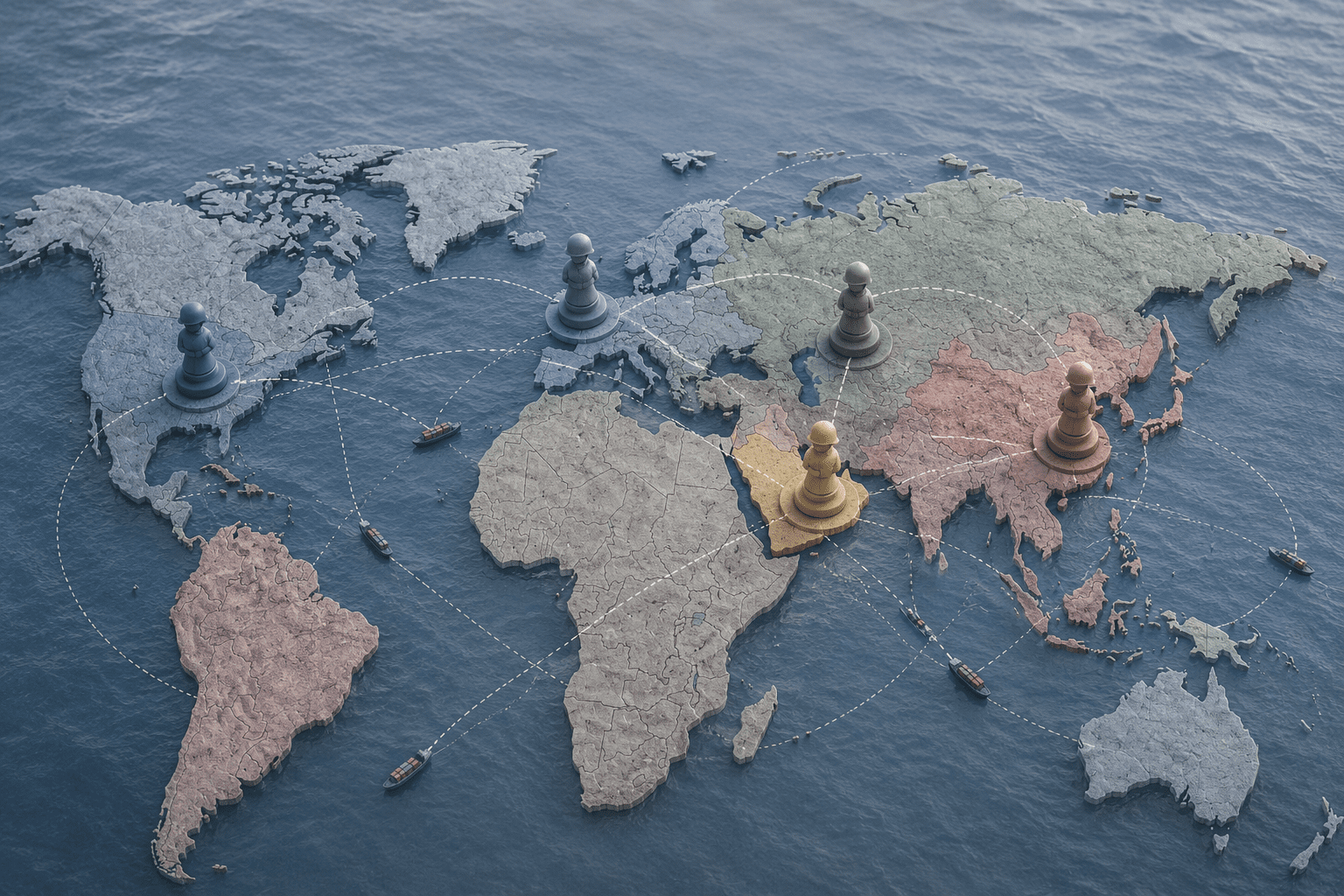
The US-Iran conflict has created far-reaching consequences across the Middle East and beyond, affecting at least eight nations directly and many more through economic and diplomatic ripple effects. From threats to global energy supplies through the Strait of Hormuz to refugee flows and the risk of broader regional war, the conflict's impact extends far beyond the immediate US-Iran bilateral relationship.
The Strait of Hormuz represents the most critical flashpoint with global implications. This narrow waterway, only 21 miles wide at its narrowest point, handles approximately 20% of global oil consumption—roughly 21 million barrels daily. Iranian threats to close the strait have caused oil prices to surge. Any sustained closure would trigger global economic crisis, affecting energy-importing nations worldwide.
Israel has moved from proxy conflict with Iran to direct confrontation. Iranian ballistic missiles have struck Israeli cities. Israel's missile defense systems—Iron Dome, David's Sling, and Arrow—have intercepted most threats, but some have penetrated. Israel has conducted airstrikes on Iranian territory, marking a fundamental shift in the conflict. The opening of a second front by Hezbollah in Lebanon has divided Israeli military focus.
Saudi Arabia, UAE, and other Gulf states face difficult choices. They host US military facilities and view Iran as a threat, but fear being caught in crossfire. Iranian-backed groups have attacked Saudi oil facilities in the past, and the current conflict raises risks of similar strikes. Gulf states have sought to balance security cooperation with the US against diplomatic engagement with Iran.
The conflict has created significant refugee flows:
Multiple factors could trigger expansion of the conflict:
The UN Security Council has convened emergency sessions but failed to reach consensus. Russia and China have opposed strong condemnation of Iran. European nations have called for de-escalation while maintaining some sanctions. Regional organizations including the Arab League have sought diplomatic solutions. The complexity of the conflict, with multiple actors and proxy groups, has complicated diplomatic efforts.
The 2026 conflict will reshape Middle Eastern politics for years to come: