US Seizes Iranian Cargo Ship: Tehran Halts Talks as Middle East Tensions Spike
The fragile diplomatic channel between the United States and Iran has suffered a massive blow. Following the US seizure of an Iranian cargo ship, Tehran has officially stated it has "no plans" for new talks with Washington.
This maritime confrontation is not just a minor skirmish; it represents a dangerous escalation in US-Iran relations at a time when the Middle East is already teetering on the edge of broader conflict.
The fragile diplomatic channel between the United States and Iran has suffered a massive blow. Following the US seizure of an Iranian cargo ship, Tehran has officially stated it has "no plans" for new talks with Washington.
This maritime confrontation is not just a minor skirmish; it represents a dangerous escalation in US-Iran relations at a time when the Middle East is already teetering on the edge of broader conflict.
Here is a complete breakdown of why the US seized the vessel, how Iran responded, and what this means for the future of global security and nuclear diplomacy.
Table of Contents
The Incident: What Happened to the Iranian Ship?
Why Did the US Seize the Cargo Vessel?
Tehran's Response: "No Plans" for New Talks
How This Affects US-Iran Nuclear Diplomacy
The Threat to Global Shipping and Oil Markets
What Happens Next?
Frequently Asked Questions
The Incident: What Happened to the Iranian Ship?
In the ongoing "shadow war" between Washington and Tehran, the waters of the Persian Gulf and the Arabian Sea have become primary battlegrounds.
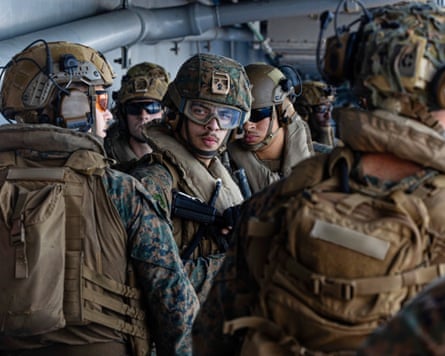
According to reports, US naval forces intercepted and seized an Iranian-flagged cargo vessel. While the specific details of the ship's cargo can vary depending on the incident, US seizures of Iranian ships typically occur under the authority of international sanctions, specifically targeting the illicit smuggling of Iranian oil, weapons, or dual-use materials to sanctioned entities.
For context: The US maintains a massive naval presence in the region including the Fifth Fleet specifically to enforce sanctions and protect international shipping lanes.
Why Did the US Seize the Cargo Vessel?
The US does not intercept commercial vessels without strategic or legal justification. Seizures of Iranian ships generally fall under one of three categories:
1. Sanctions Evasion (Illicit Oil Smuggling)
Iran relies heavily on oil exports to keep its economy afloat despite crippling US sanctions. Tehran often uses "dark fleet" tankers ships that turn off their tracking transponders and fly flags of convenience to smuggle oil to countries like China. The US regularly seizes these ships and their cargo, redirecting the oil to US custody.
2. Weapons Proliferation
The US frequently intercepts Iranian ships (often bound for Yemen) carrying advanced weaponry, including ballistic missile components, drone parts, and small arms destined for Iran's proxy network, such as the Houthi rebels.
3. Dual-Use Technology
Materials that have civilian applications but can also be used for military purposes (like chemical precursors or advanced electronics) are heavily restricted. Ships caught carrying these from or to Iran are subject to seizure.
Iran views any seizure of its commercial vessels in international or regional waters as a violation of its sovereignty and an act of "piracy."
In response to the latest seizure, Iranian Foreign Ministry officials delivered a sharp rebuke, stating Tehran has "no plans" for new talks with the United States. This reaction highlights several key Iranian strategies:
Saving Face Domestically: The Iranian government is under immense pressure from its population due to economic struggles. Appearing weak to the US is politically dangerous for the regime.
Leverage Withdrawal: By pulling away from the negotiating table, Iran removes a diplomatic off-ramp that Washington relies on to manage tensions.
Deterrence: Tehran hopes that signaling a refusal to talk will force the US to think twice before seizing future vessels.
How This Affects US-Iran Nuclear Diplomacy
The cancellation of indirect talks is a severe blow to anyone hoping for a diplomatic solution to the Iran nuclear crisis.
Since the US withdrew from the Joint Comprehensive Plan of Action (JCPOA) in 2018, backchannel talks often mediated by Oman or European nations have been the only way to prevent Iran’s uranium enrichment from crossing the "breakout" threshold (the time needed to build a nuclear weapon).
The immediate consequences of halted talks:
No nuclear constraints: Iran will continue to enrich uranium to 60% purity (just steps away from weapons-grade 90%).
Less transparency: International Atomic Energy Agency (IAEA) inspectors may face increased restrictions.
Higher Israeli anxiety: Israel views the end of diplomacy as a green light to consider preemptive military strikes on Iranian nuclear facilities.
The Threat to Global Shipping and Oil Markets
When the US and Iran clash at sea, the global economy feels the shockwaves.
The Strait of Hormuz Factor
Approximately 20% of the world's daily oil supply passes through the Strait of Hormuz, a narrow waterway bordered by Iran and Oman. Whenever tensions spike, Iran threatens to close or disrupt this chokepoint.
Shipping Insurance Costs Skyrocket
Maritime insurance companies instantly raise premiums for vessels traveling through the Persian Gulf and the Gulf of Oman when a seizure occurs. These costs are ultimately passed down to consumers via higher gas prices and more expensive imported goods.
The "Dark Fleet" Danger
As the US seizes more ships, Iran’s remaining "dark fleet" tankers are forced to take increasingly dangerous routes, turning off their AIS (Automatic Identification Systems). This leads to a higher risk of maritime collisions and environmental disasters.
What Happens Next? Expert Scenarios
With diplomatic talks off the table, the situation is likely to follow one of three paths:
Scenario 1: The Tit-for-Tat Cycle (Most Likely) Iran attempts to seize or harass a commercial vessel linked to the US or its allies in retaliation. US Navy destroyers are forced to intervene, leading to tense standoffs but no actual gunfire.
Scenario 2: Proxy Retaliation Rather than acting directly, Iran instructs its proxies particularly the Houthis in Yemen or militias in Iraq to launch attacks on US bases or commercial shipping in the Red Sea, similar to the disruptions seen in late 2023 and 2024.
Scenario 3: Quiet De-escalation Despite the public "no plans for talks" rhetoric, both sides quietly use backchannels (like Oman) to de-escalate. The US releases the ship or its cargo after a period, and Iran quietly resumes indirect diplomatic contact to avoid an all-out war it cannot win.
Conclusion
The US seizure of an Iranian cargo ship is a stark reminder that the US-Iran conflict is being fought not just through proxies in the Middle East, but on the high seas.
Tehran's refusal to engage in new talks removes a critical pressure valve. Until a diplomatic resolution is found or one side decides the cost of escalation is too high the waters of the Persian Gulf will remain one of the most dangerous places on Earth.
Frequently Asked Questions (FAQs)
Can the US legally seize an Iranian ship in international waters? Yes, if the US has evidence the ship is violating international sanctions, US law, or is engaged in the transport of weapons or illicit materials. US naval forces operate under broad mandates to enforce these sanctions globally.
What happens to the cargo after the US seizes an Iranian ship? Typically, the US offloads the cargo (often oil), redirects it to be sold by US authorities, and deposits the profits into a fund that is sometimes used to compensate victims of Iranian-backed terrorism.
Does Iran seize US ships in retaliation? Yes. Iran has a history of using its Islamic Revolutionary Guard Corps (IRGC) Navy to seize or swarm foreign vessels in the Persian Gulf, particularly those linked to Western interests, to use as bargaining chips.
Will this lead to a direct war between the US and Iran? While highly dangerous, a full-scale direct war remains unlikely. Both nations operate under a strategy of "deterrence without escalation" inflicting pain on the other while carefully avoiding a strike that would trigger an uncontrollable war.
Disclaimer:This article is for informational and educational purposes only. Geopolitical situations involving the US and Iran are highly fluid. Information presented reflects publicly available reports and analysis at the time of writing. Always consult multiple authoritative news sources for real-time updates.