GEOPOLITICSLast updated: 2026-04-25
Iran War Updates: Witkoff & Kushner Head to Pakistan for Talks
Get the latest Iran war live updates. Witkoff and Kushner travel to Pakistan for mediated US-Iran talks as the Hormuz blockade and gas prices surge
Get the latest Iran war live updates. Witkoff and Kushner travel to Pakistan for mediated US-Iran talks as the Hormuz blockade and gas prices surge

As the U.S.-Iran conflict surpasses the 60-day mark, diplomatic efforts are ramping up. The latest Iran war live updates reveal a high-stakes diplomatic pivot to Islamabad, with top U.S. envoys heading to Pakistan for mediated talks with Iran.
Here is a comprehensive breakdown of today’s developments, from the Strait of Hormuz blockade to surging gas prices and the fragile Israel-Lebanon ceasefire.
White House Press Secretary Karoline Leavitt confirmed today that U.S. Special Envoy Steve Witkoff and Jared Kushner, President Donald Trump’s son-in-law, will travel to Pakistan tomorrow.
According to Leavitt, the Iranians "asked for this in-person conversation." The talks will be intermediated by the Pakistani government as both nations attempt to broker a broader agreement to end the conflict. Vice President JD Vance is reportedly "on standby" to fly to Pakistan this weekend if his presence becomes necessary.
In an interview with Reuters, Trump expressed optimism, stating that Iran is preparing an offer to meet U.S. demands. "They’re making an offer and we’ll have to see," Trump said, adding that the U.S. is negotiating with "the people who are in charge now."
Despite the White House's framing, Iran’s Foreign Ministry has pushed back on the idea of face-to-face negotiations with U.S. officials.
Spokesperson Esmaeil Baghaei took to X to clarify that no direct meeting is planned between Iranian and U.S. delegations. Iranian Foreign Minister Abbas Araghchi traveled to Islamabad today not to negotiate directly with Washington, but to consult with Pakistani leadership on ending what Iran calls the "American imposed war of aggression."
Araghchi's diplomatic tour will also include stops in Muscat and Moscow to coordinate with regional partners.
While diplomats talk, the military pressure remains intense. Defense Secretary Pete Hegseth stated during a Pentagon press conference that the U.S. will continue its blockade of Iranian ports and ships near the Strait of Hormuz "for as long as it takes."
Both nations have seized vessels along this critical oil route in recent days, even as a tentative ceasefire extension was announced earlier this week.
To further choke Tehran’s energy revenue, the Trump administration imposed new sanctions today on a China-based oil refinery (Hengli Petrochemical) and roughly 40 shipping companies accused of moving Iranian crude. Treasury Secretary Scott Bessent warned that any vessel facilitating covert Iranian oil trade risks exposure to U.S. sanctions.
The Iran war continues to send shockwaves through the global economy.
Deep dives and explainers across military operations, sanctions, Hormuz risk, and oil markets.


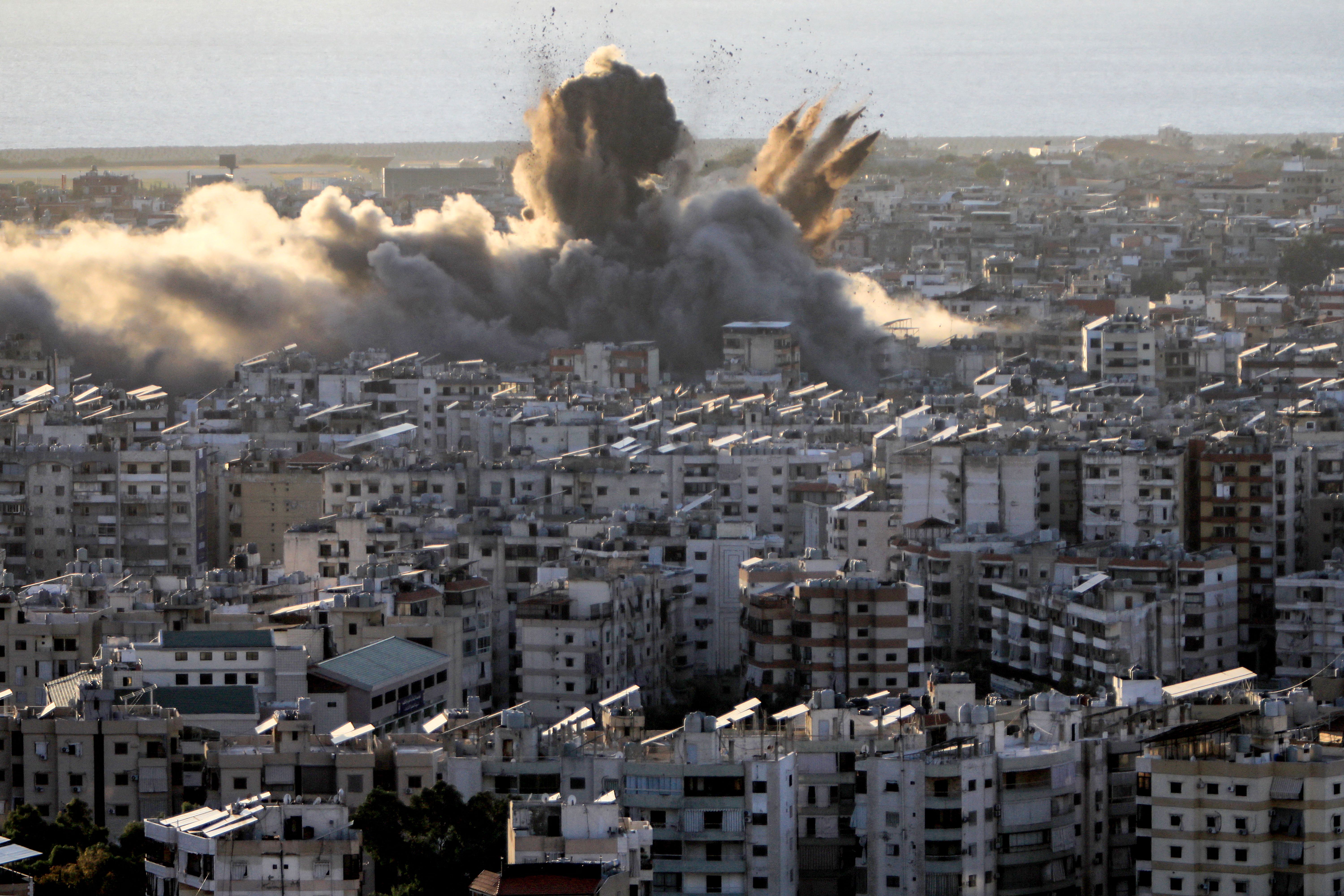
The ripple effects of the Iran conflict continue in Lebanon. Trump announced that Israel and Lebanon agreed to extend their ceasefire by three weeks following White House negotiations.
However, Hezbollah—which was not present at the talks—called the extension "meaningless." Lebanese state media reported a surge of Israeli airstrikes in the southern Tyre district today, resulting in civilian casualties. The ceasefire agreement explicitly preserves Israel's right to "take all necessary measures in self-defense," a clause that has led to ongoing friction and strikes.
Stay tuned to our live updates hub for the latest breaking news on the U.S.-Iran conflict.