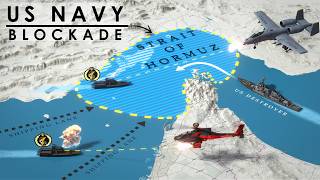
The US military has launched "Project Freedom" to secure commercial shipping through the blockaded Strait of Hormuz amid the ongoing US-Israeli war on Iran.
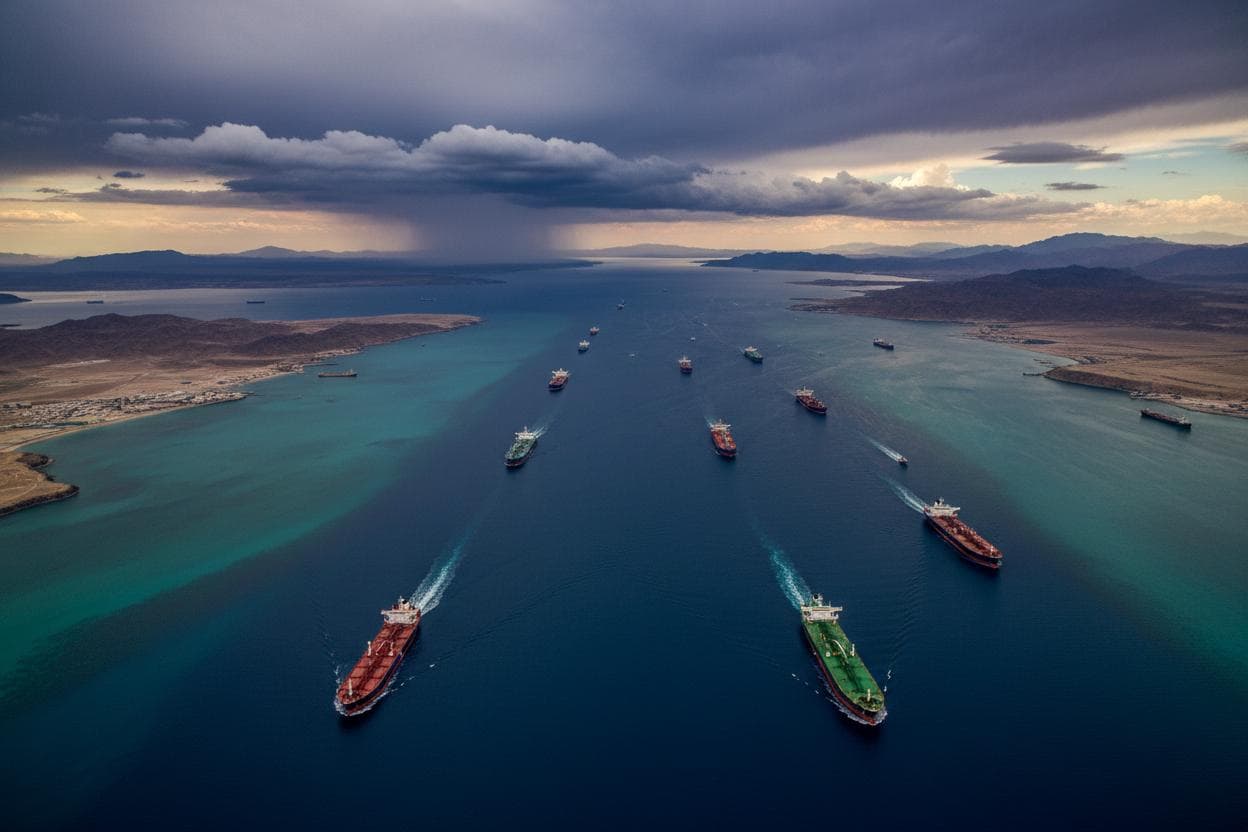
The Strait of Hormuz, one of the world’s most critical maritime chokepoints, has become the focal point of escalating tensions in the Middle East. In response to severe disruptions to global shipping, the US Navy has launched a new military operation dubbed "Project Freedom."
Here is everything you need to know about this critical operation, its economic impact, and the escalating conflict in the region.
What is "Project Freedom"?
Announced by a spokesperson for the US military’s Central Command (CENTCOM) on Tuesday, Project Freedom is a targeted military operation designed to secure safe passage for commercial vessels through the Strait of Hormuz.
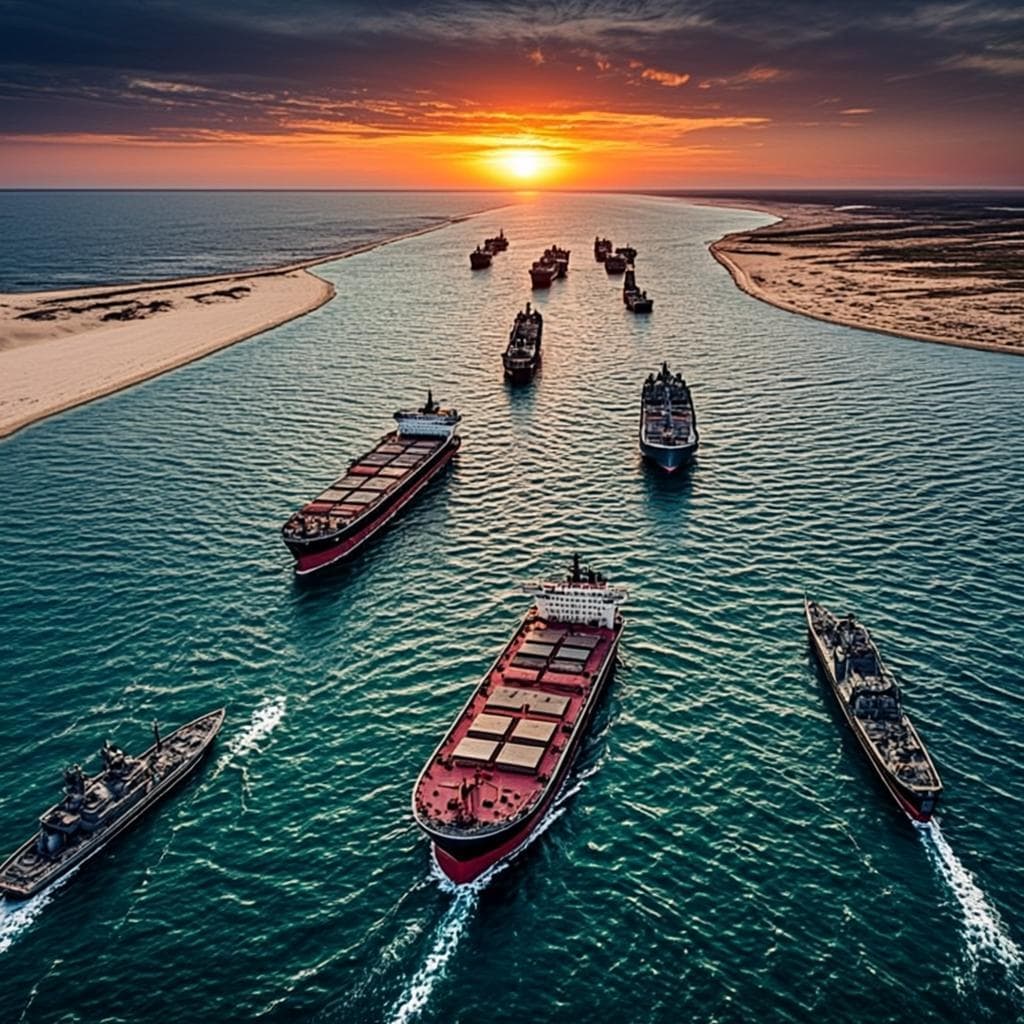
The operation involves the US Navy mounting escorted transits for civilian ships while simultaneously maintaining a blockade on Iranian ports. According to CENTCOM, the response from the maritime industry has been highly positive. Ship owners and insurance companies have welcomed the intervention, which aims to stabilize a vital shipping lane that has been paralyzed by recent hostilities.
"Project Freedom has just begun," the CENTCOM spokesperson told Al Jazeera, emphasizing that the end goal is to ensure commercial ships can transit safely to benefit both regional and global economies.
Background: The US-Israeli War on Iran
To understand the urgency of Project Freedom, one must look at the broader conflict. The Strait of Hormuz disruptions stem from a US-Israeli war on Iran that began on February 28.
In the wake of the outbreak of hostilities, Iran effectively sealed off the strategic waterway. Rather than a traditional naval blockade, Iran has utilized a "hybrid" warfare approach, threatening to deploy:
- Naval mines
- Swarm drones
- Coastal missiles
- Fast-attack craft
This strategy has created a highly dangerous environment for civilian mariners, forcing many shipping companies to halt transit through the strait altogether.
Escalation: Civilian Casualties and Destroyed Vessels
Despite the US Navy's efforts to establish a safe corridor, the situation in the Hormuz Strait remains volatile and deadly.
Speaking at a news conference in Washington, DC, on Tuesday, US Secretary of State Marco Rubio provided a grim update on the conflict. Rubio confirmed that 10 civilian sailors have died as a direct result of the ongoing clashes in the waterway.
Furthermore, Rubio revealed that the US Navy has already engaged and destroyed seven Iranian fast-attack boats that were operating in the strait.
"The US will continue to clear a passageway through the strait to restore freedom of navigation," Rubio stated, signaling that the US military is prepared for sustained engagements to keep the waterway open.