Lebanon Agreement Adds a New Wrinkle
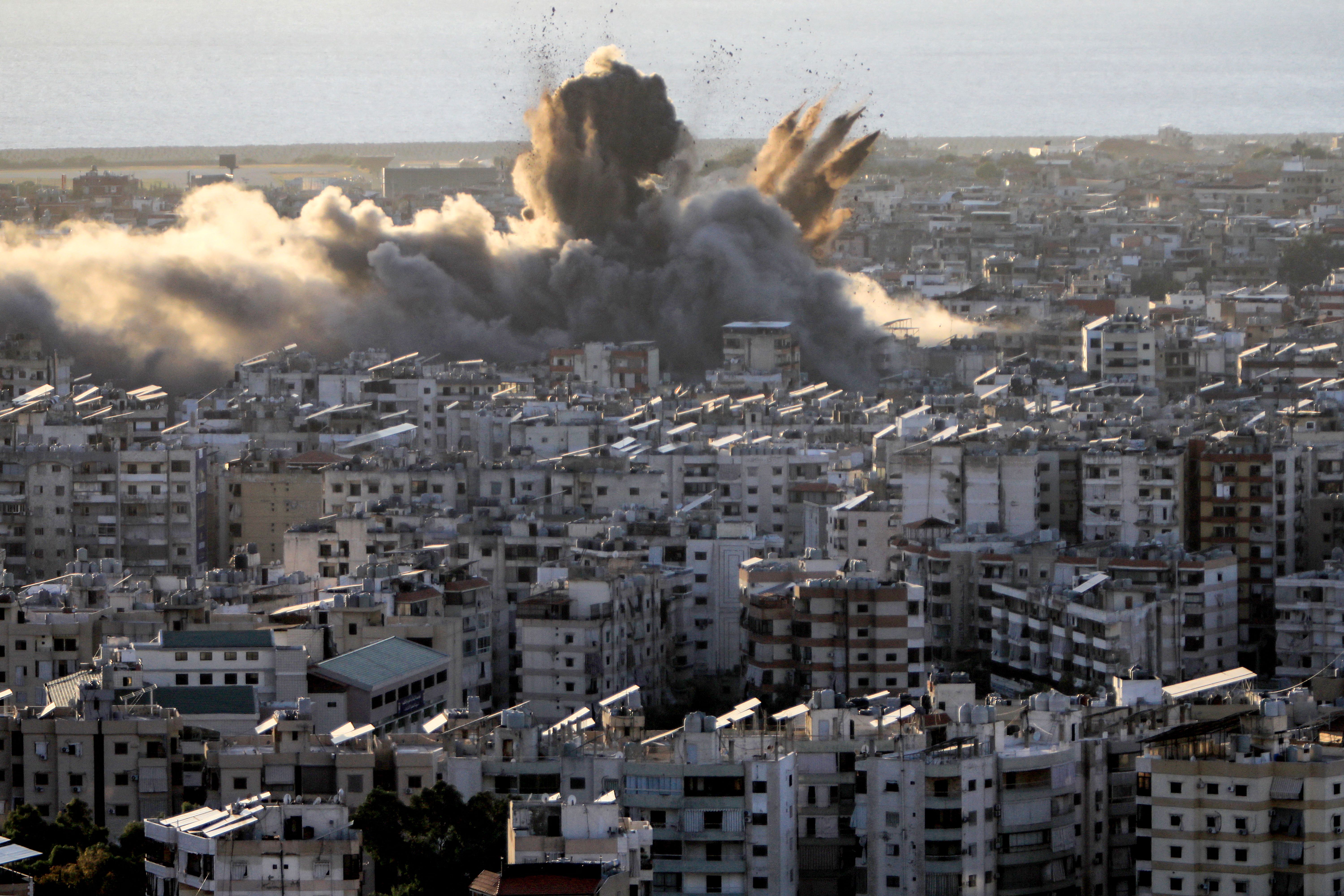
A deal signed four days ago between Israel and Lebanon ties any Israeli troop withdrawal directly to the disarmament of Hezbollah, the Iranian-backed militant group operating in southern Lebanon. While this agreement was framed as a step toward de-escalation, analysts warn it could have the opposite effect long-term. Because Hezbollah's disarmament is far from guaranteed or imminent, the arrangement may effectively allow Israel to maintain a military presence in southern Lebanon indefinitely — a scenario that would continue to complicate broader U.S.-Iran peace negotiations.
Mixed Signals Ahead of Qatar Talks
A new round of talks expected to take place in Doha, Qatar has been met with conflicting messages from both sides. President Trump downplayed expectations on Monday, describing the potential meeting as something that could be "perhaps important, perhaps not." Meanwhile, Iran's foreign ministry confirmed that Iranian experts would indeed travel to Qatar, but clarified that this would not amount to direct negotiations with U.S. officials — suggesting any progress made may be preliminary at best.
Adding to the uncertain tone, Iran's chief negotiator Mohammad Bagher Ghalibaf stated Tuesday that while Iran continues to favor a diplomatic resolution, the country remains prepared for military conflict if talks fail to produce results. Speaking on state television as the Doha-based discussions were getting underway, Ghalibaf emphasized that diplomacy was Iran's preferred path forward, but not its only option.
Shipping Routes May Never Fully Recover
Beyond the diplomatic front, the war's impact on global trade routes appears to be lasting. A senior analyst from the Carnegie Endowment for International Peace told reporters this week that commercial shipping traffic through both the Strait of Hormuz and the Bab el-Mandeb Strait is unlikely to return to pre-war levels of activity, even if a peace agreement is eventually reached. These waterways are critical chokepoints for global oil and goods transport, and continued instability in the region has made shippers wary of resuming normal operations there.
Congress Rejects Limits on Presidential War Powers
Domestically, the U.S. House of Representatives voted Tuesday against a resolution that would have restricted President Trump's ability to commit U.S. military forces to the conflict in Lebanon without congressional approval. The measure, introduced by Michigan Democratic Representative Rashida Tlaib, was a revised version of an earlier resolution that also failed to pass. This time, lawmakers voted it down 235 to 189, with most Democratic leadership again declining to support the effort to constrain executive authority on the matter.
What This Means Going Forward
Taken together, these developments paint a picture of a conflict still very much in flux. While both Tehran and Washington continue to express interest in diplomatic resolution, structural obstacles — from Hezbollah's unresolved status in Lebanon to disagreements over the format and substance of talks — suggest that any lasting peace deal remains uncertain. Meanwhile, the war's ripple effects on global shipping and U.S. domestic politics show no signs of fading soon.