Nigeria Oil Prices 2026: Africa's Largest Producer Faces Challenges
Nigeria oil prices 2026: Analysis of Africa's largest oil producer, NNPC operations, Niger Delta challenges, oil theft, and energy sector development amid security concerns.


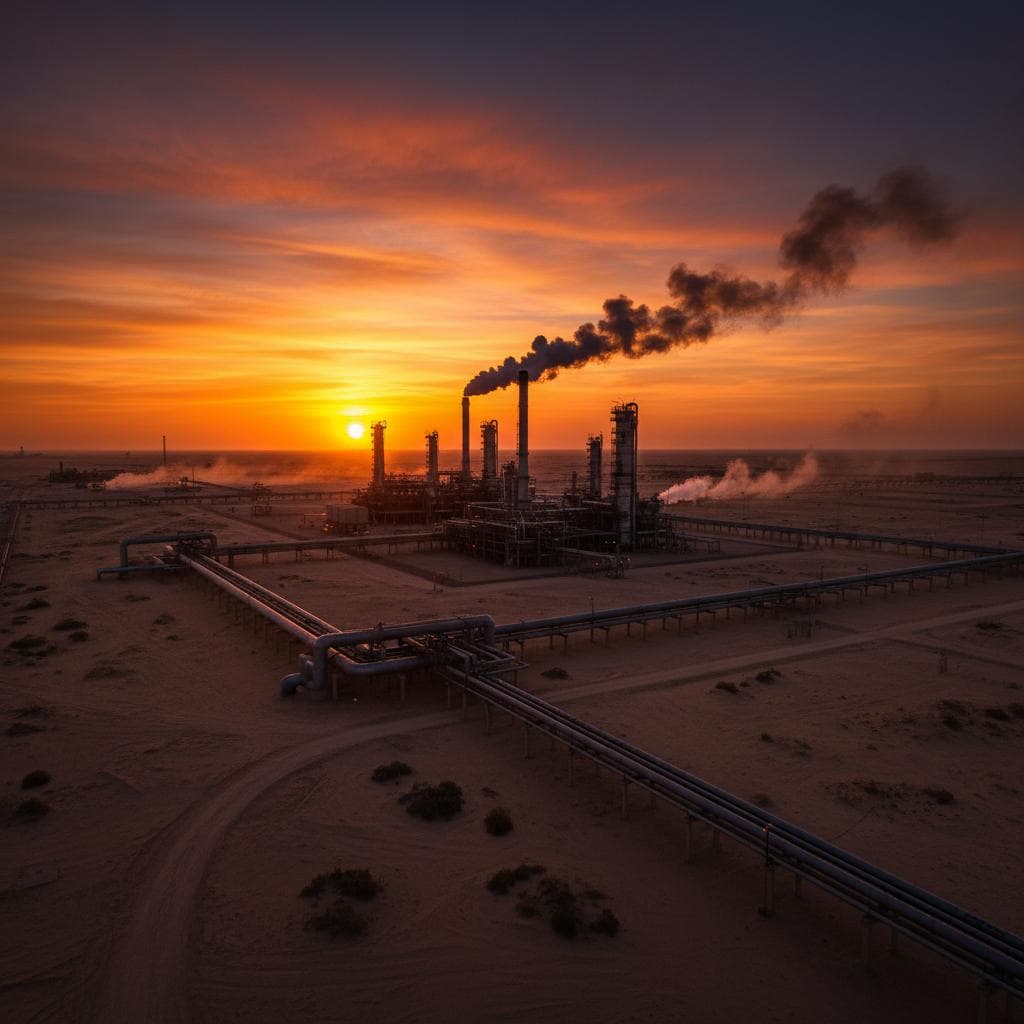
Nigeria is Africa's largest oil producer, with production historically around 1.5-2 million barrels per day, though output has fluctuated due to various challenges. The country holds approximately 37 billion barrels of proven reserves and has been an OPEC member since 1971. Oil provides over 90% of export earnings and about 60% of government revenue, making petroleum essential to Nigeria's economy. In 2026, Nigeria faces multiple challenges including oil theft, infrastructure decay, investment decline, and the global energy transition while working to maximize value from its petroleum resources.
The Nigerian National Petroleum Corporation (NNPC) is the state oil company, historically responsible for regulating the sector and participating in joint ventures with international oil companies. NNPC has undergone transformation into a commercial entity, though challenges remain with efficiency and transparency. Joint ventures with Shell, ExxonMobil, Chevron, TotalEnergies, and Eni operate major onshore and offshore fields. Production sharing contracts govern deepwater developments where NNPC's direct financial contribution is limited. NNPC's relationship with international partners has sometimes been contentious, with disputes over costs and terms.
Nigeria produces several crude grades, with Bonny Light being the most well-known benchmark. Nigerian crudes are generally light and sweet (low sulfur), making them attractive to refineries producing gasoline and other light products. Bonny Light typically trades at a premium to Brent due to its quality characteristics. Nigerian crude is particularly valued by refineries in Europe and the United States, with smaller volumes going to Asia. However, production and export disruptions sometimes create supply uncertainty, affecting pricing and reliability perception.
Oil theft and pipeline vandalism represent severe challenges for Nigeria's petroleum industry. Criminal networks tap pipelines to steal crude, causing spills and fires while depriving the government and companies of revenue. Estimates suggest Nigeria loses hundreds of thousands of barrels daily to theft and related shutdowns. The problem is concentrated in the Niger Delta, where complex social, economic, and political factors create conditions for criminal activity. Military and security measures have had limited success. Oil theft deters investment, damages Nigeria's reputation, and causes environmental destruction.
The Niger Delta region, center of Nigeria's onshore oil production, has suffered severe environmental and social damage from decades of petroleum operations. Oil spills from pipelines and facilities have contaminated land and water, devastating fishing and farming communities. Gas flaring from oil operations has contributed to air pollution and climate change. Local communities have received limited benefits from oil wealth while bearing environmental costs. This has fueled militancy and protest movements. Addressing Niger Delta grievances is essential for Nigeria's oil industry stability, though progress has been slow.
Nigeria has developed significant deepwater oil production offshore, avoiding some of the security challenges of onshore Niger Delta operations. Major deepwater projects include Bonga (Shell), Agbami (Chevron), and Egina (TotalEnergies). These projects require massive investment and advanced technology but offer production less vulnerable to onshore disruptions. However, deepwater economics are more challenging at lower oil prices, and regulatory uncertainty has deterred some investment. Nigeria hopes to develop additional deepwater resources, but fiscal terms and global competition for investment create obstacles.
Despite being a major crude exporter, Nigeria imports most of its refined petroleum products due to inadequate domestic refining capacity. The country's four refineries operate at minimal capacity due to poor maintenance and mismanagement. This creates the paradoxical situation of a major oil producer importing fuel. The Dangote Refinery, a massive private facility near Lagos, began operations recently and could significantly reduce import dependence. Successful domestic refining would save foreign exchange, create jobs, and improve energy security for Nigeria's growing population.
Nigeria has maintained fuel subsidies for decades, keeping consumer prices below market levels. This policy has been extremely costly, consuming a significant portion of government revenue and creating opportunities for corruption. Subsidy payments have strained government finances, contributing to budget deficits and debt accumulation. Recent governments have attempted to reduce or eliminate subsidies, leading to protests and political backlash. The subsidy issue illustrates the political difficulty of economic reform in a country where many live in poverty and rely on affordable fuel for transportation and small businesses.
The global energy transition poses challenges for Nigeria, which has relied on oil for decades and has significant undeveloped reserves. Some argue Nigeria should develop its gas resources as a transition fuel while building renewable capacity. The government has promoted gas development and the Petroleum Industry Act (2021) aims to improve the investment climate. However, international oil companies are divesting from Nigerian onshore assets, partly due to ESG concerns and operational challenges. Nigeria must balance maximizing value from existing petroleum resources while preparing for a lower-carbon future.
Nigeria's oil industry faces a perfect storm of challenges: oil theft, infrastructure decay, investment decline, subsidy burden, and the energy transition. The country's petroleum wealth has not translated into broad development, creating political and social pressures. Yet oil remains essential to Nigeria's economy and government finances. The path forward requires addressing security, improving the investment climate, developing domestic refining, and preparing for global energy changes. Nigeria's success or failure in managing its oil resources has implications for Africa's largest population and economy, and for global oil supply.