OIL & ENERGY

Mexico Oil Prices 2026: Pemex Struggles and Production Decline

Mexico oil prices 2026: Analysis of Pemex operations, Mexican oil production decline, energy reforms, and challenges facing Latin America's second-largest economy.

Mexico Oil Prices 2026: Pemex Struggles and Production Decline

Mexico Oil Prices 2026: Latin America's Major Producer

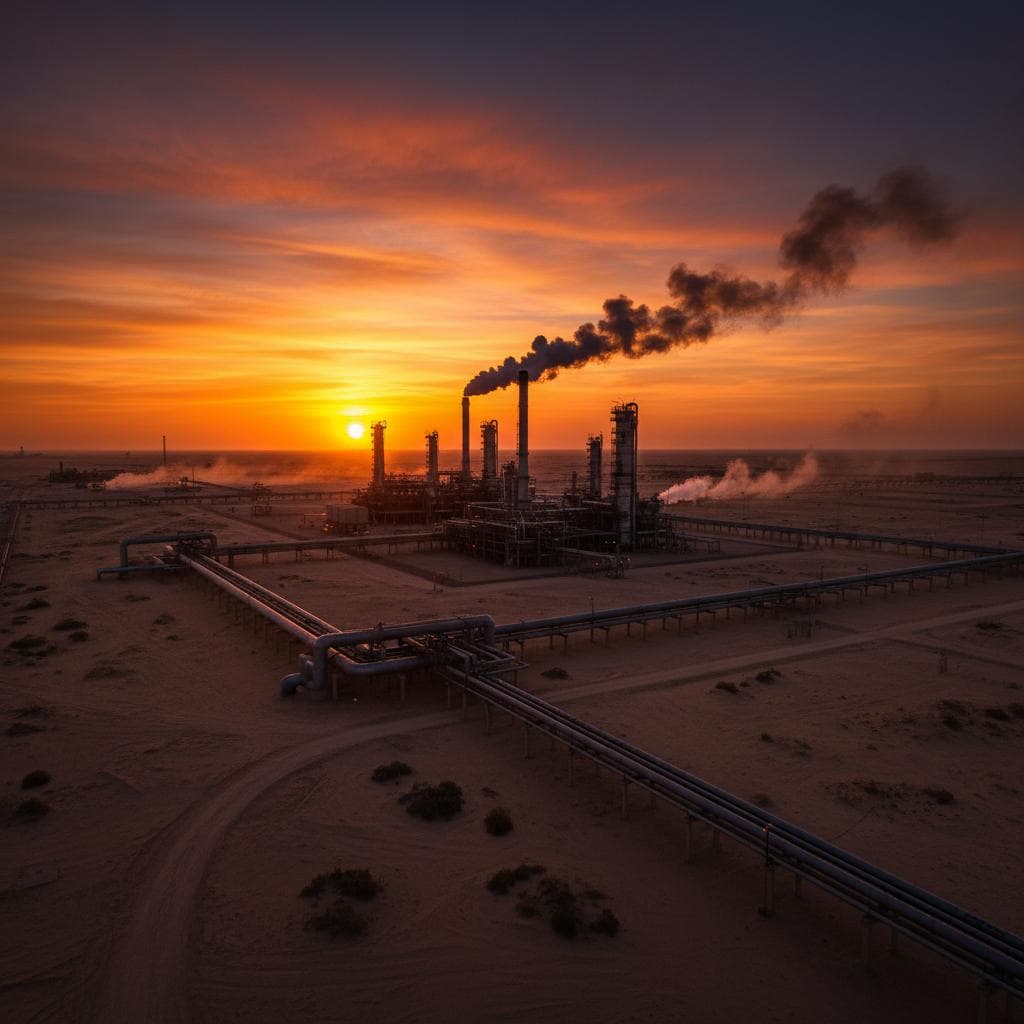
Mexico has historically been one of the world's significant oil producers, with production reaching over 3 million barrels per day in the early 2000s. However, output has declined to approximately 1.5-1.8 million barrels per day as mature fields deplete and investment has been insufficient. The country's oil industry is dominated by Pemex, the state company that held a production monopoly for decades. Mexico remains an important oil exporter to the United States while also importing refined products due to insufficient domestic refining capacity.

Pemex: Mexico's State Oil Company

Petroleos Mexicanos (Pemex) is Mexico's state oil company and one of the largest companies in Latin America. Pemex held a constitutional monopoly on Mexican oil production until reforms in 2013-2014 opened the sector to private investment. The company has suffered from financial difficulties, with debt exceeding $100 billion, insufficient investment, and declining production from mature fields. Corruption, inefficiency, and political interference have hampered operations. Despite these challenges, Pemex remains central to Mexico's energy sector and government revenues.

Mexican Oil Production Decline

Mexico's oil production has declined significantly from its peak, primarily due to depletion of the giant Cantarell field that once produced over 2 million barrels per day. Cantarell's decline has been only partially offset by other developments. Pemex has struggled to find and develop new fields, particularly in deepwater areas of the Gulf of Mexico. The 2013-2014 energy reform aimed to attract private investment, but subsequent governments have slowed or reversed opening. Production decline reflects insufficient exploration, investment, and technical capability to develop new resources.

Energy Reform and Its Reversal

Mexico implemented significant energy reforms in 2013-2014 under President Pena Nieto, ending Pemex's monopoly and opening the sector to private investment. The reform attracted international companies to bid for exploration and production rights. However, President Lopez Obrador, elected in 2018, opposed the reform and halted new auctions while seeking to strengthen Pemex. His administration built a new refinery and supported Pemex operations. The policy reversal created uncertainty for investors and limited the private investment that might have addressed production decline.

Maya Crude: Mexico's Heavy Oil

Mexico produces several crude grades, with Maya heavy crude being the most significant for export. Maya is a heavy, sour crude valued by specialized refineries, particularly in the US Gulf Coast configured for heavy crude processing. Other Mexican grades include Isthmus and Olmeca, lighter crudes that command premium prices. The mix of crude quality has implications for pricing—Maya typically trades at a discount to lighter crudes. Mexican crude exports go primarily to the United States, with the Gulf Coast refining complex being the natural market.

Mexico's Refining Challenges

Despite being a crude exporter, Mexico imports a significant portion of its refined petroleum products due to insufficient domestic refining capacity and utilization. Pemex refineries have operated below capacity due to maintenance issues and operational problems. The Lopez Obrador administration built the Dos Bocas refinery to reduce import dependence, though the project faced delays and cost overruns. Achieving fuel self-sufficiency remains a government priority. The refining sector challenges illustrate the gap between Mexico's crude production and its ability to serve domestic fuel demand.

Cross-Border Energy Trade with the United States

Mexico's energy relationship with the United States is extensive and complex. Mexico exports crude oil to the US while importing refined products including gasoline and diesel. Natural gas flows from the US to Mexico through multiple pipelines, fueling Mexican power generation and industry. The integrated North American energy market benefits both countries, though Mexico's trade balance in petroleum products is negative due to refined product imports. Energy trade is an important element of the broader US-Mexico economic relationship.

Mexico's Energy Security

Mexico faces energy security challenges from declining domestic production and dependence on imported refined products. The government's strategy of strengthening Pemex and building domestic refining capacity aims to address these vulnerabilities. However, the approach has had limited success so far. Natural gas imports from the US provide reliable supply but create dependence. Mexico's energy security is linked to the broader North American energy system, with both benefits (access to US gas and refined products) and vulnerabilities (dependence on imports).

Future of Mexico's Oil Industry

Mexico's oil industry faces a critical juncture. Continued production decline would reduce export revenues and increase import dependence. Reversing decline would require substantial investment in exploration and development, particularly in deepwater Gulf of Mexico areas. The policy environment—whether continuing state-centric approaches or reopening to private investment—will shape outcomes. Global energy transition pressures create uncertainty about long-term demand and investment returns. Mexico's substantial undeveloped resources mean potential exists, but realizing it requires favorable conditions.

Conclusion: Mexico's Energy Crossroads

Mexico's oil industry reflects the challenges facing many state-dominated petroleum sectors: declining production, financial strain, and the tension between state control and private investment. Pemex's difficulties have contributed to national production decline despite Mexico's substantial remaining resources. The policy reversal from energy reform has created uncertainty and limited investment. Mexico's energy future will be shaped by whether the country can arrest production decline while navigating the global energy transition. The stakes are high for a nation where oil has historically been central to government finances and economic development.