OIL & ENERGYLast updated: 2026-03-23
UAE Oil Prices 2026: Emirates' Energy Strategy and Diversification
UAE oil prices 2026: Analysis of Emirates' oil production, ADNOC operations, OPEC+ commitments, and economic diversification beyond hydrocarbons.
UAE oil prices 2026: Analysis of Emirates' oil production, ADNOC operations, OPEC+ commitments, and economic diversification beyond hydrocarbons.
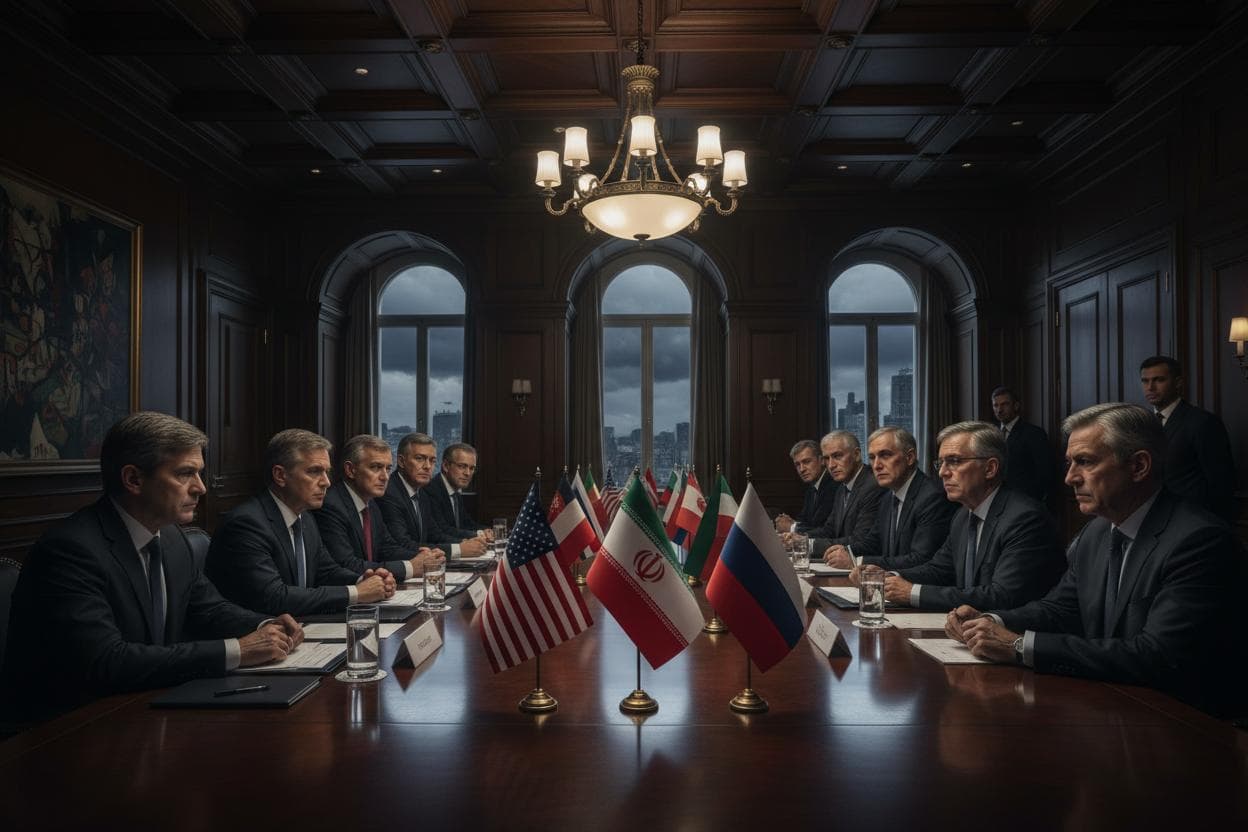
The United Arab Emirates ranks among the world's top oil producers and exporters, with production of approximately 3-4 million barrels per day. As a key OPEC member, the UAE participates in production coordination that influences global prices. The country's oil industry, led by Abu Dhabi National Oil Company (ADNOC), represents the foundation of UAE prosperity while the nation pursues economic diversification. In 2026, the UAE navigates regional tensions while maintaining its position as a reliable energy supplier to global markets. Emirates crude, particularly Murban, has gained prominence as a regional benchmark.
Abu Dhabi National Oil Company (ADNOC) is one of the world's largest integrated energy companies, responsible for all aspects of UAE oil and gas operations. ADNOC manages exploration, production, refining, and distribution of petroleum and petrochemicals. The company has attracted international partners for technical expertise and capital, with major oil companies holding stakes in UAE concessions. ADNOC has listed some subsidiaries on stock exchanges, bringing transparency and outside investment. The company continues investing in production capacity expansion, targeting 5 million barrels per day by 2027, though OPEC+ agreements may constrain actual output.
Murban crude, UAE's primary export grade, is a light, low-sulfur crude highly valued by refineries in Asia and globally. In 2021, the UAE launched Murban futures contracts on the ICE Futures Abu Dhabi exchange, positioning Murban as a potential Middle East benchmark alongside Oman and Dubai grades. The goal is to provide price discovery and risk management tools for regional crude trading. Murban's quality characteristics make it attractive for refining into gasoline and other light products. The success of Murban futures enhances the UAE's role in global oil pricing mechanisms.
The UAE exports crude oil primarily to Asian markets, with Japan, South Korea, India, and China as major customers. The country also supplies Europe, particularly as sanctions reduced Russian crude availability. UAE's strategic location at the Strait of Hormuz provides access to both East and West markets, though the Hormuz chokepoint also creates vulnerability. The UAE has invested in export infrastructure, including pipeline alternatives that bypass the Strait, reducing but not eliminating geographic risk. Export customers include both term contract buyers and spot market participants.
The UAE participates actively in OPEC+ production coordination, though tensions have occasionally emerged over quota allocations. The UAE has argued that its production capacity and reserves warrant higher quotas than allocated, given substantial investment in expanding capacity. Despite these disputes, the UAE has generally complied with OPEC+ agreements, balancing national interests against collective producer strategy. The UAE's relationship with Saudi Arabia within OPEC+ is crucial, with the two Gulf producers generally aligned on market management policy while occasionally differing on specific allocations.
The UAE has pursued economic diversification more aggressively than most oil producers. Dubai has developed into a global trade, tourism, and financial center with limited direct oil contribution to GDP. Abu Dhabi, home to most UAE oil reserves, has invested in industry, technology, and renewable energy. The UAE has created sovereign wealth funds, attracted foreign investment, and developed sectors including aviation, logistics, and financial services. However, oil revenues continue to fund diversification efforts, creating an interesting dynamic where oil success enables transition away from oil dependence.
The UAE has positioned itself as a leader in renewable energy development, hosting the International Renewable Energy Agency (IRENA) and investing heavily in solar power. The Mohammed bin Rashid Al Maktoum Solar Park in Dubai is one of the world's largest renewable energy projects. The UAE has committed to net-zero emissions by 2050, investing in hydrogen production and carbon capture technology. ADNOC is integrating renewable energy into operations and developing low-carbon hydrogen for export. The UAE hosted COP28 in 2023, highlighting its role in climate discussions. Critics note continued investment in fossil fuel production, but the UAE argues both are necessary during a transition period.
The 2026 US-Iran conflict poses risks for the UAE, which maintains relations with both the United States and Iran. The UAE has experienced attacks on its territory during regional tensions, including missile strikes from Yemen's Houthis. Critical oil infrastructure near the Strait of Hormuz could be threatened in wider conflict. The UAE has sought to maintain neutrality in regional disputes while protecting its interests. Investment in pipeline infrastructure that bypasses Hormuz provides some protection against Strait closure. The UAE coordinates with other Gulf states on collective security while avoiding actions that might escalate tensions.
The UAE maintains strategic petroleum reserves, including underground storage facilities that provide supply security. The UAE has also offered crude storage services to other countries, enhancing its role as an energy trading hub. Storage facilities in Fujairah, outside the Strait of Hormuz, are particularly valuable as they can export without passing through the narrow waterway. The UAE's storage capacity supports both national energy security and commercial operations. During market disruptions, the UAE can draw on reserves or provide storage services to other nations.
The UAE represents a model of oil wealth management, using petroleum revenues to fund diversification while maintaining its position as a reliable energy supplier. ADNOC continues investing in production capacity, and Murban crude is gaining benchmark status. Simultaneously, the UAE leads renewable energy development in the Gulf and has committed to ambitious climate goals. The tension between fossil fuel production and energy transition characterizes the UAE approach—both are pursued simultaneously. The 2026 regional conflict tests the UAE's ability to navigate complex regional dynamics while protecting its energy interests and diversification trajectory.
Deep dives and explainers across military operations, sanctions, Hormuz risk, and oil markets.