OIL & ENERGY

Angola Oil Prices 2026: Africa's Second Largest Producer and OPEC Exit

Angola oil prices 2026: Analysis of Angola's oil production, OPEC membership departure, African energy development, and challenges facing sub-Saharan Africa's largest oil producer.


Angola Oil Prices 2026: Africa's Second Largest Producer and OPEC Exit

Angola Oil Prices 2026: African Petroleum Power

Angola is sub-Saharan Africa's largest oil producer and has historically been the continent's second-largest producer after Nigeria. Production has averaged approximately 1-1.2 million barrels per day, with the oil sector accounting for approximately 90% of exports and a significant portion of government revenue. Angola joined OPEC in 2007 but announced its departure in December 2023 over disputes about production quotas. The country's oil industry has been critical to post-civil war economic development, though challenges including infrastructure decay, declining mature fields, and the need for new investment persist.

Angola's Oil Production and Fields

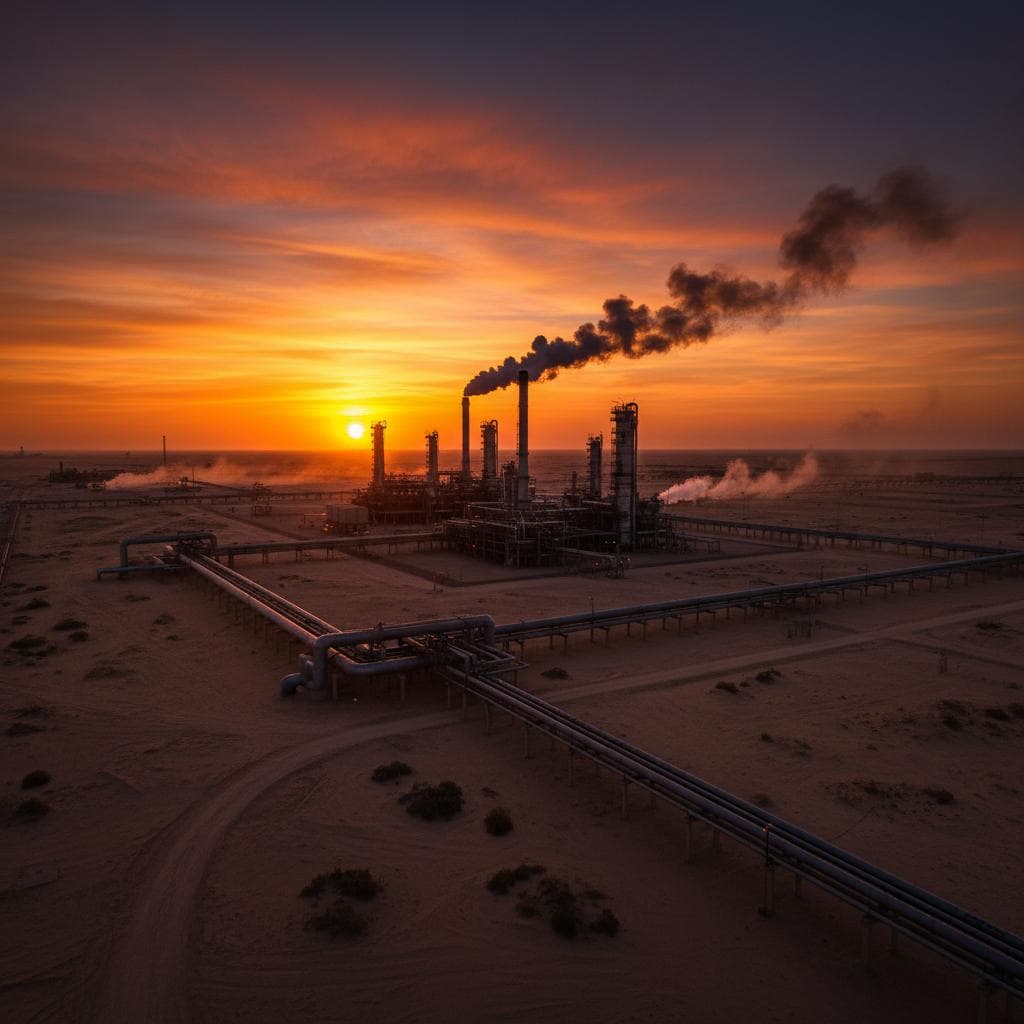
Angola's oil production comes primarily from offshore fields in deep and ultra-deepwater. Major producing areas include Block 17 (operated by TotalEnergies), Block 18 (BP/Eni), and Block 14 (Chevron). Angola's crude is generally light and sweet, commanding premium prices. However, many fields are mature and declining, requiring continuous investment in new developments to maintain production. Recent discoveries offer potential for maintaining or increasing output, but development timelines and investment decisions affect near-term production levels.

Angola's Departure from OPEC

In December 2023, Angola announced its withdrawal from OPEC following disputes over production quotas. The country argued that OPEC's allocated quotas were too low given Angola's production capacity and development needs. This marked a significant moment for OPEC, losing an African member. The departure gives Angola flexibility to produce at levels it determines appropriate, though the country still faces technical and investment constraints on production. Angola's exit reflects tensions between producer cooperation and national interests that occasionally affect OPEC unity.

Sonangol: Angola's State Oil Company

Sonangol is Angola's national oil company, historically serving as concessionaire and partner in all petroleum operations. The company has undergone restructuring and reforms aimed at improving efficiency and reducing debt. Sonangol participates in production through stakes in fields operated by international companies. The company has also developed downstream operations including refining and distribution. Financial difficulties and management challenges have affected Sonangol's capabilities, and the company has sought to focus on core activities while reducing debt burden.

International Oil Companies in Angola

Angola's oil industry depends on international oil companies for capital, technology, and expertise. Major operators include TotalEnergies, BP (now merging its Angolan assets with Eni's), Chevron, ExxonMobil, and Equinor. These companies operate under production sharing agreements with Sonangol. Angola has been attractive due to high-quality crude, established infrastructure, and relatively favorable terms. However, competition for investment from other African provinces and globally has increased. Recent licensing rounds have aimed to attract new investment for exploration and development.

Angola's Crude Oil Quality and Markets

Angolan crude oils are generally light and sweet, making them attractive to refineries globally. Major grades include Cabinda, Nemba, and Girassol. Angolan crude is particularly valued by refineries in China, which has become Angola's largest oil customer. The country also exports to Europe, India, and other markets. The quality of Angolan crude typically commands prices near or above Brent benchmark. Market access is generally not a challenge for Angola, though infrastructure constraints and competition affect commercial terms.

Challenges Facing Angola's Oil Industry

Angola's oil industry faces multiple challenges: Mature fields are declining and require continuous investment in new developments. Infrastructure including pipelines and export terminals has aged and requires maintenance. The country's business environment has been criticized for bureaucracy and corruption. Low oil prices in recent years affected government revenues and investment capacity. The energy transition creates uncertainty about long-term demand. Addressing these challenges requires continued partnership with international companies and favorable investment conditions.

Angola's Natural Gas Development

Angola has developed its natural gas resources, particularly through the Angola LNG project that processes associated gas from oil production and exports liquefied natural gas. The project had operational challenges initially but has improved performance. Gas development addresses environmental concerns about flaring while creating additional revenue. Angola also uses natural gas domestically for power generation. Further gas development could provide additional export revenue and support domestic energy needs, though requires significant investment.

Diversification and Economic Development

Angola has sought to diversify its economy beyond oil dependence, with limited success so far. The oil sector dominates exports and government revenues, creating vulnerability to price fluctuations. Agriculture, mining, and other sectors have growth potential but face infrastructure and investment constraints. The government has launched diversification initiatives and sought to improve the business environment. Success in diversification is essential for Angola's long-term economic development, particularly as the global energy transition creates uncertainty about oil demand.

Conclusion: Angola's Oil-Dependent Future

Angola remains a significant African oil producer, though challenges persist. The departure from OPEC reflects the tension between national production ambitions and collective producer discipline. Production decline in mature fields requires continuous investment in new developments. International companies remain essential partners, but competition for investment is intense. Angola's oil wealth has funded post-war development but has not eliminated poverty or achieved diversification. The country's future prosperity depends on navigating energy transition while maximizing value from remaining petroleum resources and developing a more diversified economy.