NUCLEAR PROGRAM

Operation Epic Fury: April 2026 Update on Air Defenses, Evacuations, and Civilian Corridors

April 2026 analysis: how coalition air defenses and emergency protocols are shaping civilian outcomes as strikes and retaliation continue across the region—and what humanitarian agencies are reporting from border zones.

Operation Epic Fury: April 2026 Update on Air Defenses, Evacuations, and Civilian Corridors

Integrated Air and Missile Defense Under Strain

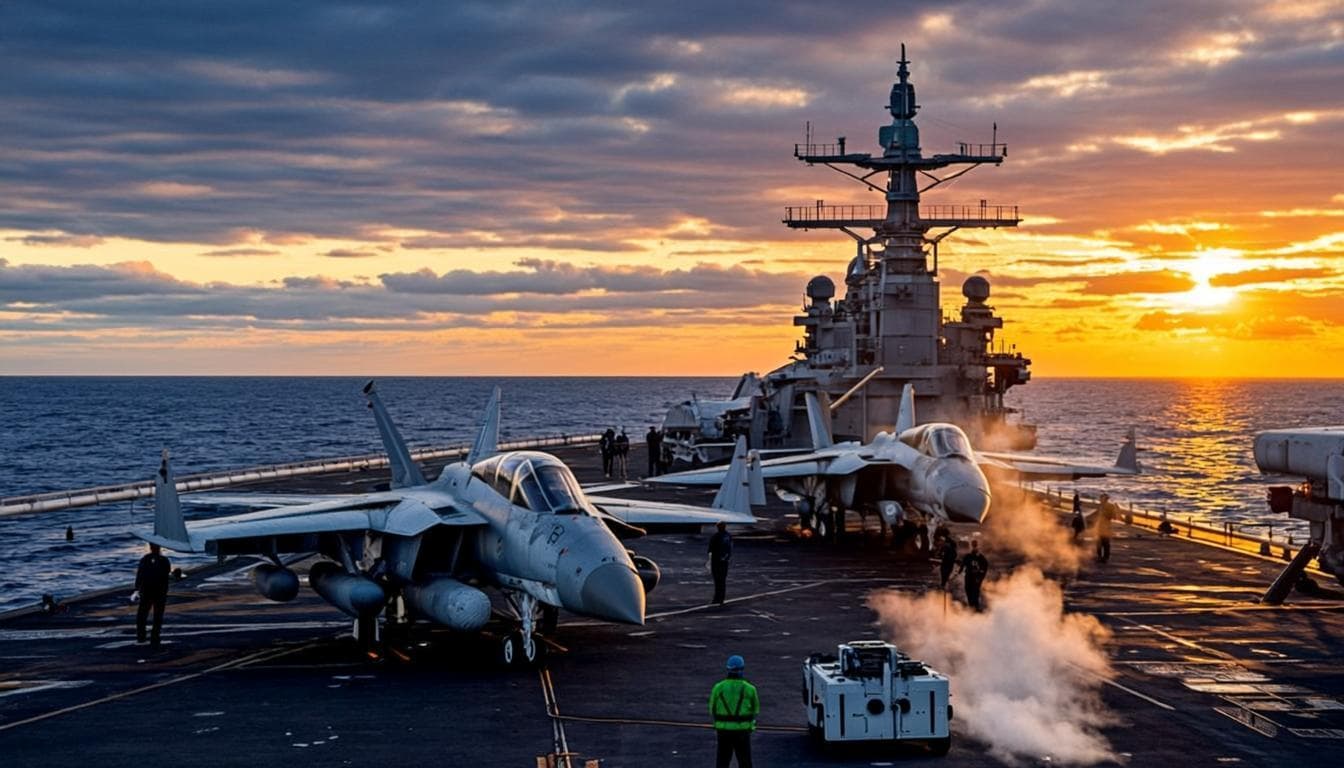
By early April 2026, missile and drone exchanges had become a daily feature of the broader war. US and partner forces continued to layer Patriot, THAAD, and naval air-defense systems with Israeli Arrow and David’s Sling batteries where operations overlapped. Analysts note that interceptors are consumable assets: magazine depth, crew fatigue, and logistics—not only radar coverage—now determine whether cities remain shielded during saturation raids. Commanders have publicly acknowledged trade-offs between defending population centers and protecting forward bases.

Civilian Corridors and Temporary Safe Passage

Humanitarian organizations report patchy but meaningful progress opening short humanitarian windows along agreed routes near border governorates. These corridors are fragile: they depend on local cease-fires, communications between militaries, and deconfliction with air traffic. Where corridors hold, medical evacuations and aid convoys have moved more safely; where they collapse, civilians face the same dual pressures of strikes and road closures that defined earlier phases of the war.

Urban Shelters, Power, and Water

April updates emphasize infrastructure resilience. Rolling blackouts, water-pumping disruptions, and hospital generator fuel shortages remain acute in several major urban areas on all sides of the conflict. Municipal authorities have prioritized restoring grid segments and distributing fuel for hospitals, while NGOs stress that long-term recovery will require both security guarantees and foreign technical assistance.

What Watchers Expect Next

Military analysts expect continued attempts to degrade command-and-control and long-range strike networks rather than a rapid return to pre-war baselines. For civilians, the operative question in April is whether de-escalation talks—however informal—can widen humanitarian access before the next major round of strikes. Until then, evacuation guidance, early-warning apps, and redundant communications remain the front line of protection for millions.