Security Partnerships vs. Regional Stability
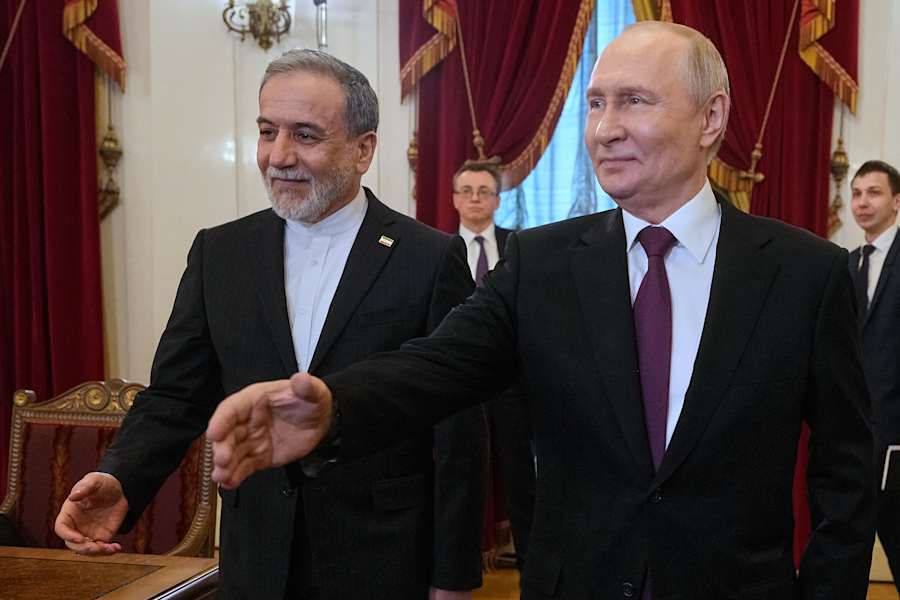
Gulf monarchies rely on US security architecture for missile defense and maritime awareness, yet they also fear being dragged into a long war that scares investment and invites attacks on their own infrastructure. April 2026 has seen a flurry of high-level travel: envoys shuttle between Western capitals and Tehran-aligned interlocutors, testing whether quiet channels can complement deadlocked public forums.
Oil Policy: Keep Markets Fed Without Picking a Side
Energy exporters face a balancing act. They need stable prices and reliable Asian demand; they also know that any perception of taking sides could invite retaliation or domestic backlash. Spare-capacity decisions, OPEC+ coordination, and bilateral deals with major importers are all framed as ‘market stabilization’—even when everyone understands the geopolitical subtext.
Humanitarian and Financial Facilitation
Some Gulf states have positioned themselves as potential hubs for humanitarian logistics or financial channels that comply with sanctions yet keep medicine and food moving. The complexity of compliance regimes means progress is incremental, but even incremental access matters when convoys are stalled elsewhere.
Outlook: No Single ‘Gulf Position’
Analysts caution against treating the GCC as monolithic. Each capital weighs threat perceptions, domestic politics, and economic diversification goals differently. What unites them is a preference to avoid total regional collapse—even if their tactics to prevent it diverge sharply.