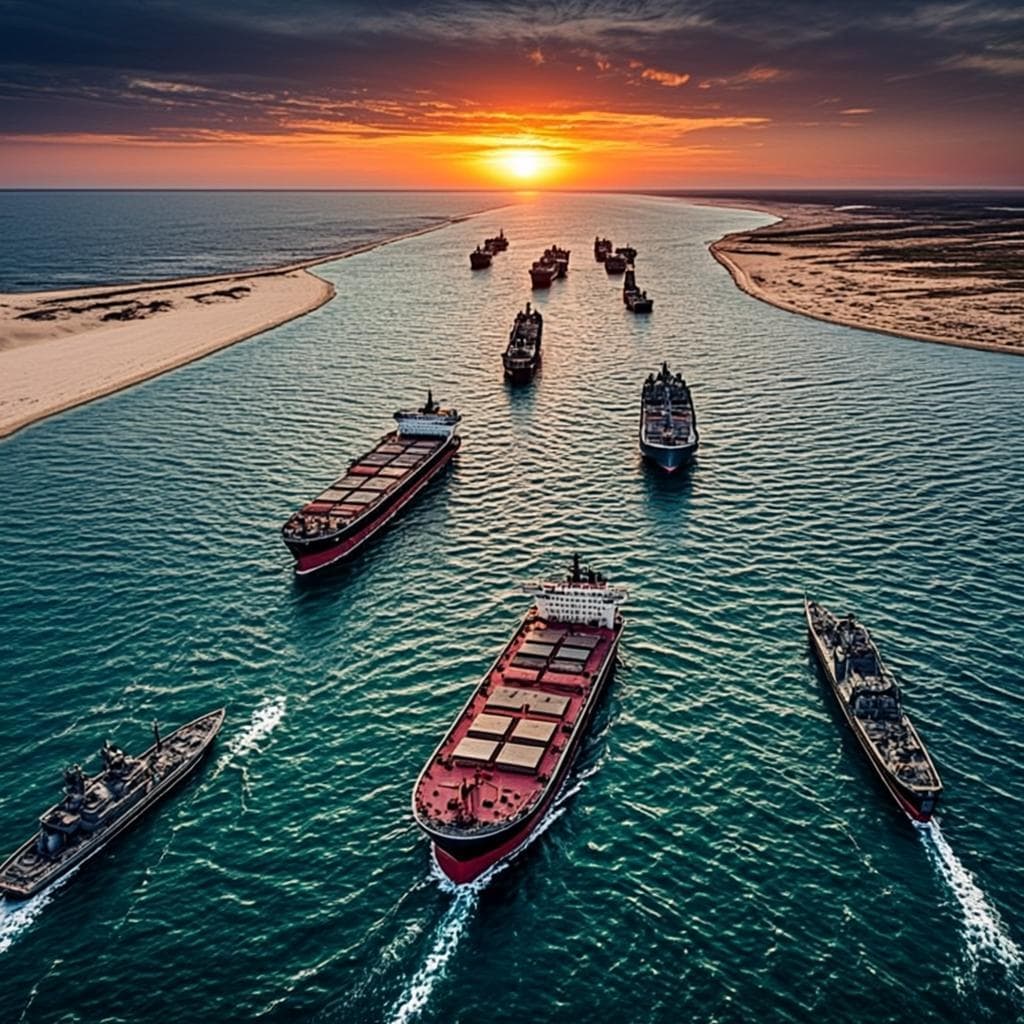
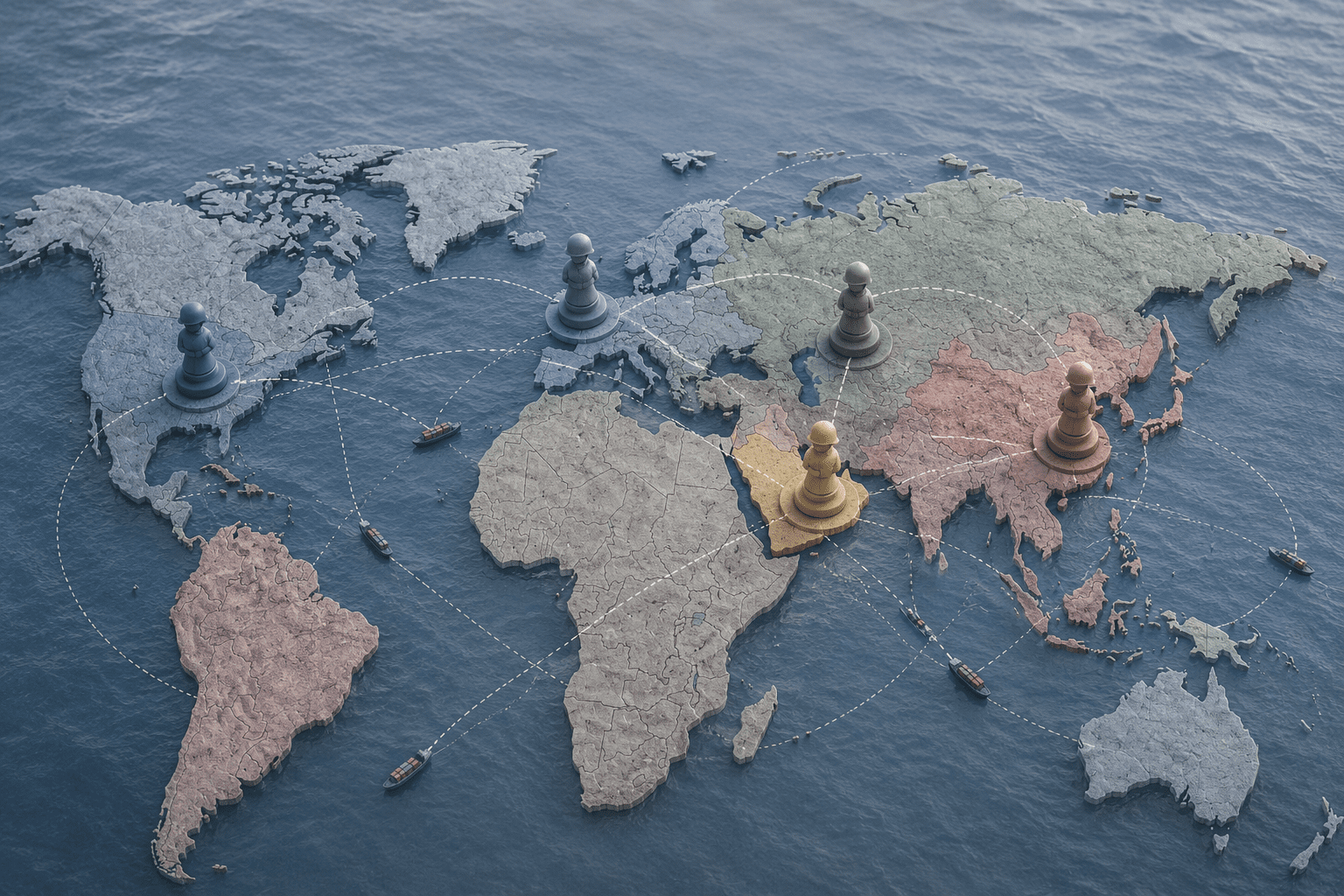
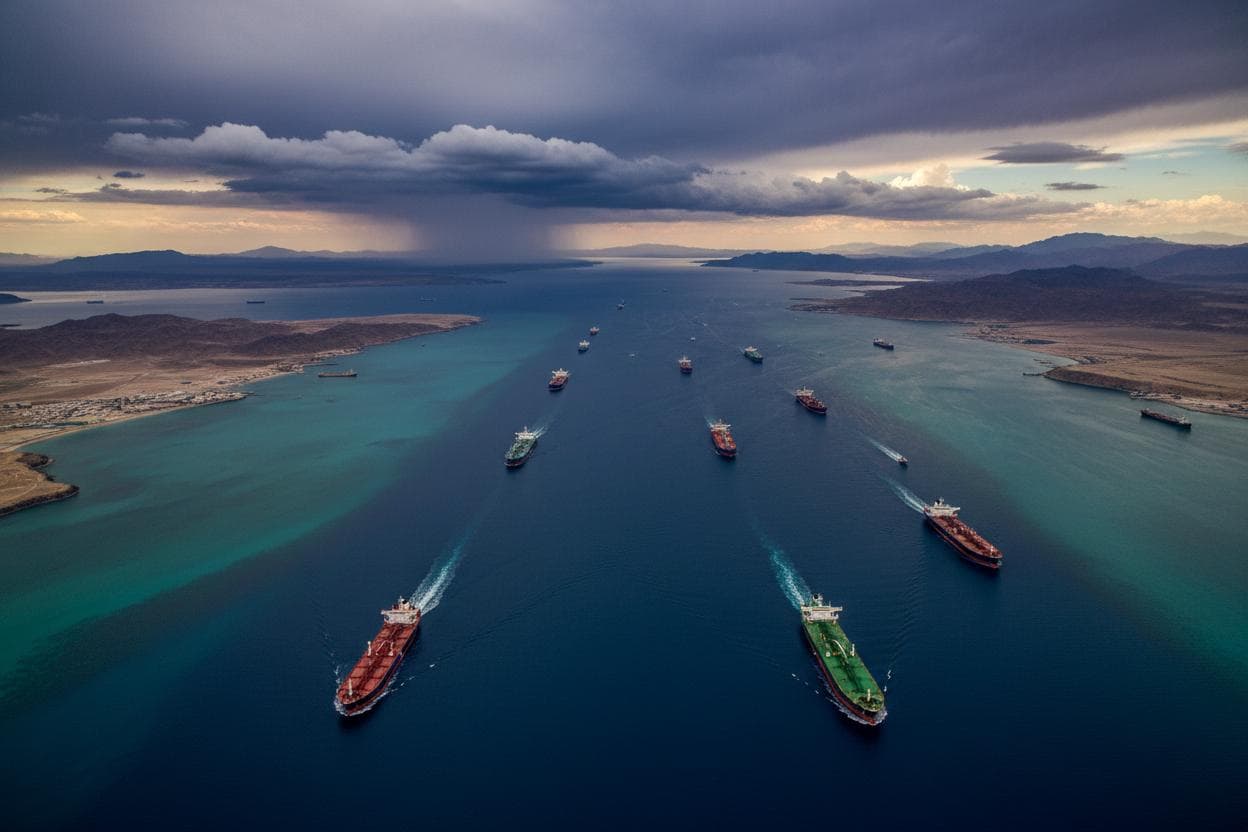
The Strait of Hormuz, the narrow waterway through which roughly 20% of the world’s crude oil normally passes, has become the epicenter of a global crisis. As the US-Iran conflict drags on, the effective closure of this critical maritime artery is triggering a dire humanitarian warning from the UN, spiking oil prices, and exposing deep fractures within Western alliances.
Here is a breakdown of how the Hormuz blockade is unfolding on the water, at the negotiating table, and across the global stage.
The Human and Economic Toll of the Hormuz Blockade
While diplomats debate in New York, the reality at sea is grim. Approximately 20,000 seafarers on hundreds of vessels—ranging from massive oil and gas tankers to cargo ships—are currently stranded in the Persian Gulf. Before the war, the strait saw about 130 transits a day; a recent week saw fewer than 80. Dozens of ships have come under attack, with the UN confirming at least 10 seafarers have been killed.
For the crews, it is a psychological and logistical nightmare. Supply chains for basic food and fresh water require complex coordination, and getting relief crews onboard is nearly impossible. As one shipping CEO noted, mariners who did not sign up for a warzone must be respected so they don't become "unintended collateral."
On land, the consequences are just as severe. UN Secretary-General António Guterres warned the Security Council this week that the blockage is causing the worst supply chain disruption since COVID-19.
“These pressures are cascading into empty fuel tanks, empty shelves — and empty plates,” Guterres said. The uncertainty is already rattling Wall Street, where a record-breaking rally slowed on Monday, while Middle East oil prices climbed over 1.5%.
A Fractured Western Alliance Over US-Iran Strategy
Perhaps the most striking development in the US-Iran war is the growing daylight between the United States and its traditional European allies regarding how to handle the crisis.
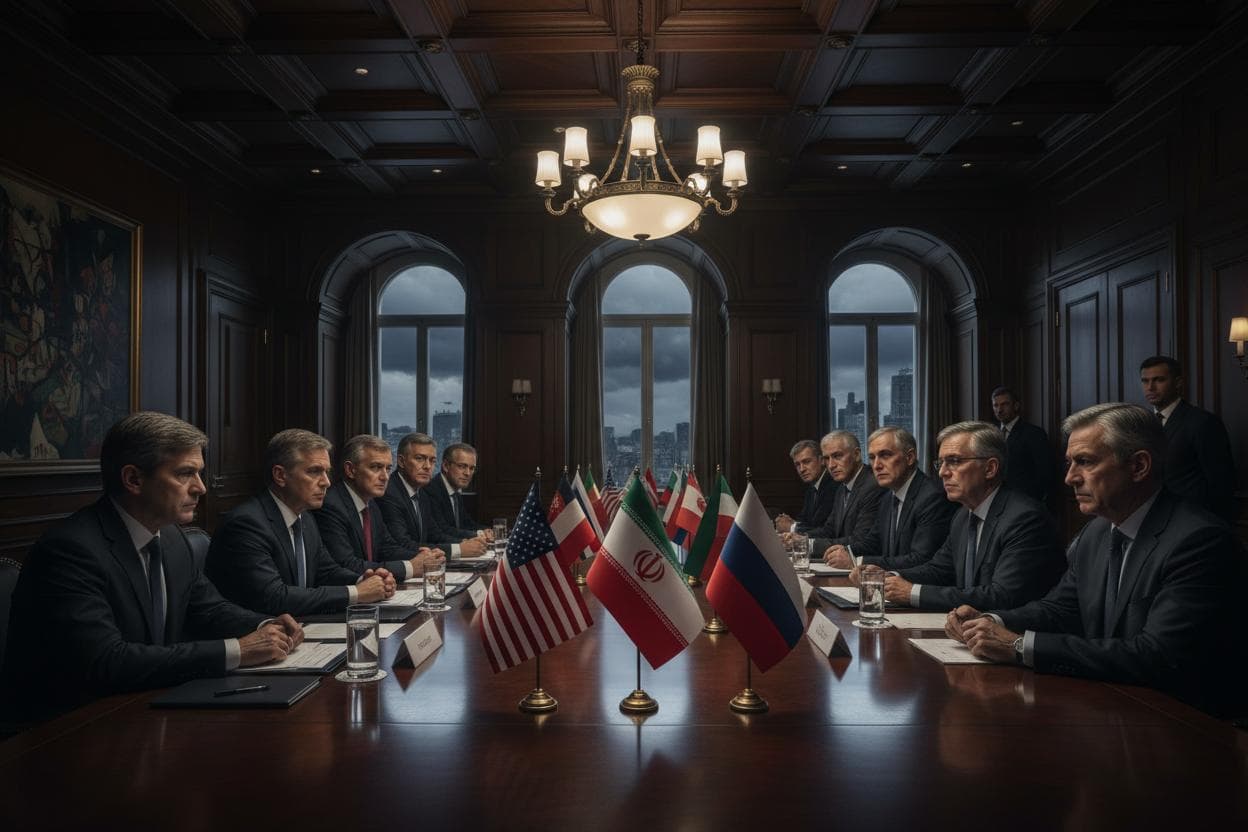
At a UN Security Council meeting on maritime security, the fault lines were impossible to ignore:
- France: French Foreign Minister Jean-Noël Barrot blamed the initial "operations launched by the United States and Israel" for lacking a clear goal and flouting international law. However, he firmly stated that Iran now bears responsibility, declaring that straits "cannot be impeded by tolls, nor bribery... neither by Iran, nor by any other party."
- The United Kingdom: UK Minister of State Stephen Doughty revealed that London does not support the US blockade of Iranian ports. Doughty accused Iran of holding "the rest of the world to ransom" but stressed that maritime traffic must flow without tolls or security risks.
- Germany: German Chancellor Friedrich Merz delivered harsh criticism of the US strategy, comparing it to past military quagmires in Afghanistan and Iraq. Merz stated that Iran is negotiating "very skillfully — or rather, very skillfully not negotiating," and claimed the Iranian leadership is humiliating the US. Germany has offered to send minesweepers to the strait, but only the fighting stops.